
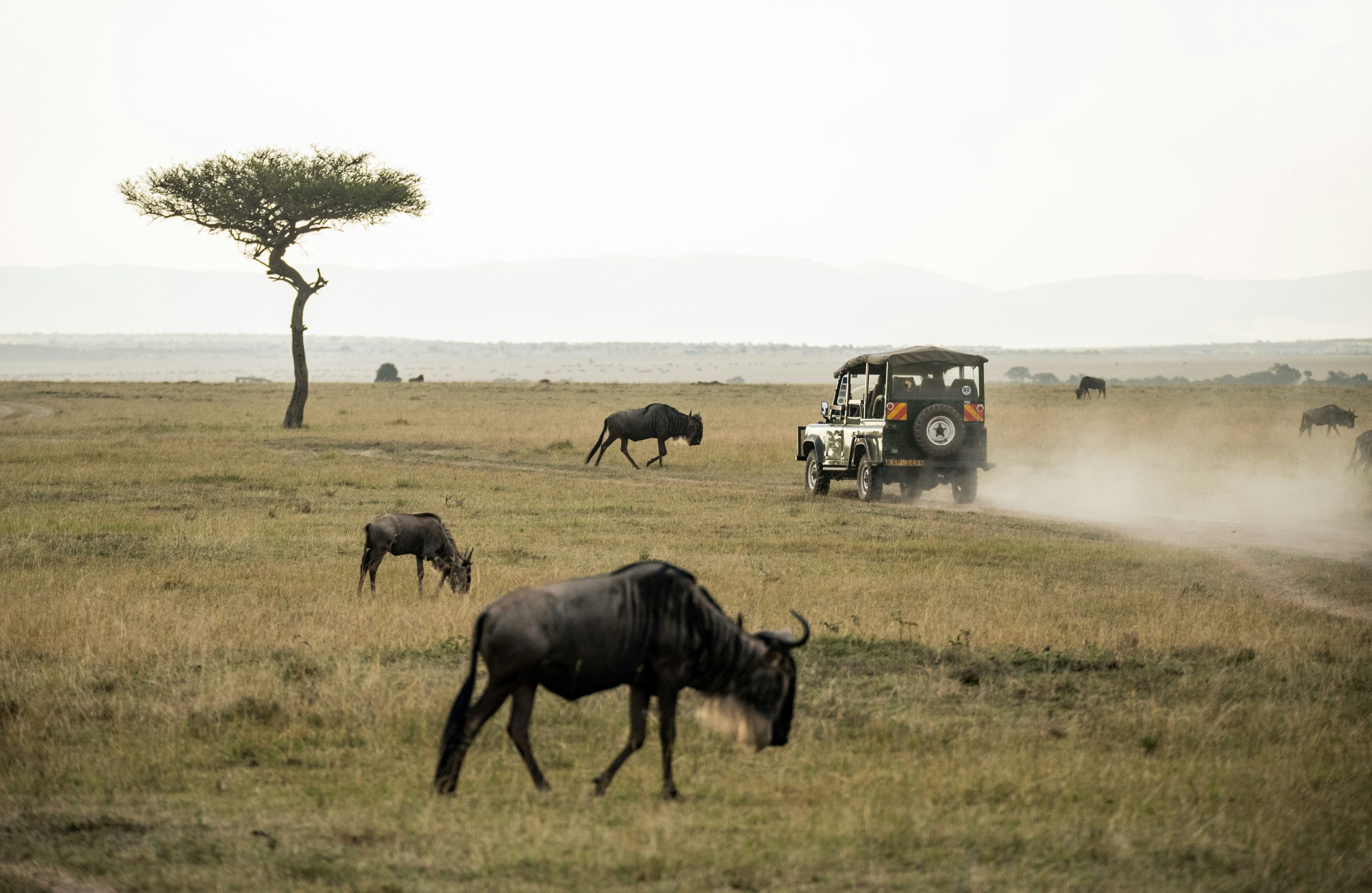
Safari in Kenya
Safari in Kenya
The Ultimate Guide to Experiencing a Safari in Kenya: Wildlife, Wilderness & Wonder
Introduction
Embarking on a safari in Kenya is more than just a vacation—it’s a transformative journey into the heart of Africa’s untamed beauty. Kenya, a land of breathtaking landscapes and astonishing biodiversity, offers one of the most authentic wildlife experiences on the planet. From the iconic Masai Mara National Reserve to the snow-capped peaks of Mount Kenya, this East African gem is a sanctuary for adventurers, photographers, and nature lovers alike.
In this comprehensive guide, we’ll delve into the best safari destinations, the optimal times to visit, the diverse wildlife you can expect to encounter, and essential travel tips to ensure your journey is seamless and unforgettable.
Why Choose Kenya for Your Safari?
Kenya is often dubbed the “cradle of the safari”—and for good reason. It was here that the concept of the safari was born, and it continues to be one of the most sought-after destinations for wildlife enthusiasts.
Key Reasons to Safari in Kenya:
- Diverse Ecosystems: From savannahs and wetlands to mountains and coastlines.
- The Big Five: Lions, elephants, leopards, buffalo, and rhinos all roam freely.
- The Great Migration: One of the world’s most spectacular wildlife events.
- Rich Cultural Heritage: Home to the Maasai, Samburu, and other indigenous tribes.
- World-Class Conservation Efforts: Leading the way in sustainable tourism.
Top Safari Destinations in Kenya
1. Masai Mara National Reserve
Arguably the crown jewel of Kenyan safaris, the Masai Mara is famed for its vast plains teeming with wildlife and its role in the annual Great Migration.
Highlights:
- Witness over 1.5 million wildebeest crossing the Mara River.
- Spot predators like lions, cheetahs, and hyenas in action.
- Hot air balloon safaris for a bird’s-eye view of the savannah.
2. Amboseli National Park
Set against the dramatic backdrop of Mount Kilimanjaro, Amboseli is renowned for its large elephant herds and panoramic views.
Highlights:
- Iconic elephant photography with Kilimanjaro in the background.
- Rich birdlife including pelicans, kingfishers, and herons.
- Opportunities to visit local Maasai communities.
3. Tsavo National Parks (East & West)
Together, Tsavo East and Tsavo West form one of the largest national parks in the world, offering a more rugged and remote safari experience.
Highlights:
- The red elephants of Tsavo.
- Mzima Springs and its crystal-clear waters.
- Lava flows and volcanic landscapes.
4. Lake Nakuru National Park
Known for its flamingo-filled shores, Lake Nakuru is a bird lover’s paradise and a sanctuary for endangered species.
Highlights:
- Massive flocks of pink flamingos.
- Black and white rhinoceros conservation.
- Euphorbia forests and acacia woodlands.
5. Samburu National Reserve
Located in Kenya’s northern frontier, Samburu offers a unique safari with species not found elsewhere in the country.
Highlights:
- The “Samburu Special Five”: Grevy’s zebra, Somali ostrich, reticulated giraffe, gerenuk, and Beisa oryx.
- Intimate safari experiences with fewer tourists.
- Rich cultural interactions with the Samburu people.
Best Time to Go on Safari in Kenya
Kenya’s climate is generally warm and pleasant year-round, but certain times offer better wildlife viewing opportunities.
Optimal Safari Seasons:
- June to October (Dry Season):
- Best for wildlife spotting as animals gather around water sources.
- Ideal for the Great Migration in Masai Mara (July–September).
- November to May (Green Season):
- Lush landscapes and fewer tourists.
- Excellent for bird watching, especially during the migratory season.
- Calving season for many herbivores, attracting predators.
Wildlife You’ll Encounter
Kenya’s national parks and reserves are teeming with life. Whether you’re a first-timer or a seasoned safari-goer, the diversity of species is bound to leave you in awe.
The Big Five:
- Lion: The king of the savannah, often seen in prides.
- Elephant: Majestic and intelligent, especially prevalent in Amboseli.
- Leopard: Elusive and solitary, often spotted in trees.
- Buffalo: Strong and unpredictable, found in large herds.
- Rhinoceros: Both black and white species, heavily protected.
Other Notable Species:
- Cheetahs, hyenas, jackals
- Giraffes, zebras, wildebeests
- Hippos, crocodiles, warthogs
- Over 1,000 species of birds
Types of Safari Experiences in Kenya
Kenya offers a variety of safari styles tailored to different preferences and budgets.
Popular Safari Options:
- Game Drives: Traditional 4×4 excursions with expert guides.
- Walking Safaris: Explore on foot for an up-close encounter with nature.
- Balloon Safaris: Soar above the plains at sunrise.
- Photographic Safaris: Led by professional wildlife photographers.
- Luxury Safaris: High-end lodges, gourmet cuisine, and personalized service.
- Budget Camping Safaris: Affordable, immersive, and adventurous.
Safari Lodges and Camps
From opulent lodges to eco-friendly tented camps, Kenya offers accommodations that blend comfort with wilderness.
Top-Rated Safari Lodges:
- Angama Mara – Overlooking the Great Rift Valley.
- Elewana Elsa’s Kopje – Nestled in Meru National Park.
- Saruni Samburu – Remote luxury in the northern frontier.
- Ol Donyo Lodge – Between Amboseli and Tsavo, with private plunge pools.
- Giraffe Manor – Iconic Nairobi hotel where giraffes join you for breakfast.
Cultural Encounters
A Kenyan safari isn’t just about wildlife—it’s also about connecting with the people who call this land home.
Cultural Highlights:
- Maasai Villages: Learn about traditional dress, dances, and customs.
- Samburu Tribes: Discover unique rituals and nomadic lifestyles.
- Swahili Coast: Explore the fusion of African, Arab, and European cultures in towns like Lamu and Mombasa.
Travel Tips for a Seamless Safari
Essential Preparations:
- Visas: Most visitors require an eVisa.
- Vaccinations: Yellow fever, typhoid, and malaria prophylaxis recommended.
- Currency: Kenyan Shilling (KES); credit cards accepted in major lodges.
- Packing List:
- Neutral-colored clothing
- Binoculars and camera
- Sunscreen and insect repellent
- Reusable water bottle
Safety and Etiquette:
- Always follow your guide’s instructions.
- Avoid loud noises or sudden movements near animals.
- Respect local customs and ask before photographing people.
Sustainable Safari Practices
Kenya is at the forefront of eco-tourism and conservation. By choosing responsible travel options, you contribute to preserving this natural heritage.
How to Safari Responsibly:
- Stay at eco-certified lodges.
- Support community-based tourism initiatives.
- Avoid single-use plastics.
- Choose operators that prioritize animal welfare.
Frequently Asked Questions (FAQ)
1. What is the best time to witness the Great Migration in Kenya?
The Great Migration typically occurs between July and September, when millions of wildebeest and zebras cross from Tanzania’s Serengeti into the Masai Mara.
2. Is Kenya safe for tourists?
Yes, Kenya is generally safe for tourists, especially in national parks and tourist areas. Always travel with reputable operators and follow local advice.
3. How many days should I plan for a safari in Kenya?
A typical safari lasts 7–10 days, allowing you to explore multiple parks and enjoy a variety of experiences.
4. What should I wear on safari?
Opt for lightweight, breathable, and neutral-colored clothing. Avoid bright colors and camouflage patterns. Don’t forget a hat and sunglasses.
5. Can I combine a safari with a beach holiday in Kenya?
Absolutely! Kenya’s coastal destinations like Diani Beach, Malindi, and Lamu offer pristine beaches and luxury resorts—perfect for post-safari relaxation.
Conclusion
A safari in Kenya is not just a trip—it’s a soul-stirring adventure that connects you with nature in its purest form. Whether you’re watching the sun rise over the Mara, hearing the distant roar of a lion, or sharing stories around a campfire, Kenya offers moments that will stay with you forever.
So pack your bags, charge your camera, and prepare for the journey of a lifetime. Kenya is calling—and the wild awaits.