
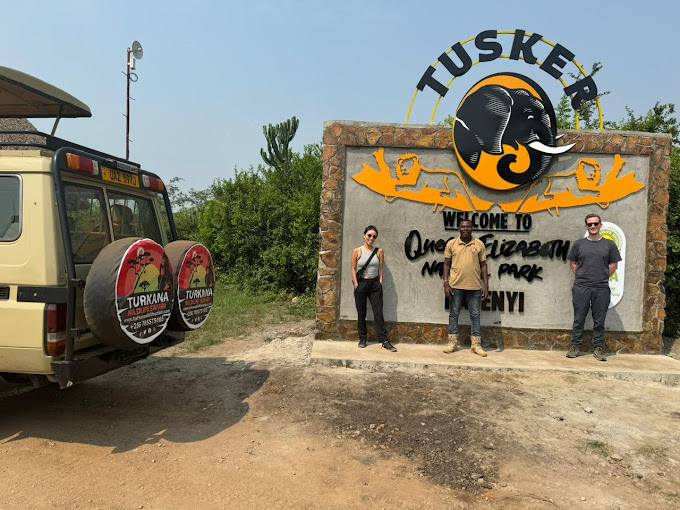
Safari Tour in Queen Elizabeth National Park
Safari Tour in Queen Elizabeth National Park
Ultimate Safari Tour Guide to Queen Elizabeth National Park: Discover Uganda’s Crown Jewel
Introduction
Nestled in the heart of southwestern Uganda, Queen Elizabeth National Park is a breathtaking sanctuary that offers an unparalleled safari experience. Spanning over 1,978 square kilometers, this iconic destination is famed for its rich biodiversity, scenic landscapes, and unique wildlife encounters. Whether you’re a seasoned traveler or a first-time adventurer, a safari tour in Queen Elizabeth National Park promises a blend of excitement, education, and awe-inspiring beauty.
In this comprehensive guide, we’ll take you through everything you need to know about planning and enjoying a safari in this majestic park, from the best time to visit, wildlife highlights, top activities, to conservation efforts and travel tips. Let’s embark on a journey into the wild heart of Uganda.
Why Choose Queen Elizabeth National Park for Your Safari?
Queen Elizabeth National Park is not just another wildlife reserve. It is a UNESCO Biosphere Reserve, home to over 95 species of mammals and more than 600 species of birds. The park’s diverse ecosystems—ranging from savannah grasslands to dense forests, wetlands, and volcanic features—make it one of Africa’s most ecologically rich protected areas.
Key Highlights:
- Tree-climbing lions in the Ishasha sector
- Kazinga Channel boat cruise with hippos and crocodiles
- Chimpanzee tracking in Kyambura Gorge
- Birdwatching paradise with rare and endemic species
- Stunning crater lakes and volcanic landscapes
Best Time to Visit Queen Elizabeth National Park
Uganda enjoys a tropical climate, making Queen Elizabeth National Park a year-round destination. However, for optimal wildlife viewing, timing your visit is crucial.
Dry Seasons (Best for Safari):
- June to September
- December to February
During these months, animals congregate around water sources, making them easier to spot. The roads are also more accessible, and the skies are clearer—perfect for photography.
Wet Seasons (For Birdwatchers and Budget Travelers):
- March to May
- October to November
While the rains can make some roads slippery, this period is ideal for birdwatching as migratory birds arrive. Accommodation rates are also lower, and the park is less crowded.
Getting to Queen Elizabeth National Park
By Road:
- From Kampala, Uganda’s capital, it’s approximately a 6-8 hour drive via Mbarara.
- From Bwindi Impenetrable Forest, it’s about 2-3 hours—ideal for combining gorilla trekking with a safari.
By Air:
- Chartered flights are available from Entebbe International Airport to Mweya or Kasese Airstrip.
For a seamless experience, many travelers opt for guided tours with reputable safari operators who handle transportation, accommodation, and park fees.
Wildlife You Can Expect to See
Queen Elizabeth National Park boasts an impressive array of wildlife, making it a must-visit for nature lovers.
Mammals:
- African elephants
- Lions (including the famous tree-climbing lions)
- Leopards
- Buffaloes
- Ugandan kobs
- Warthogs
- Hyenas
Primates:
- Chimpanzees in Kyambura Gorge
- Black-and-white colobus monkeys
- Baboons
- Vervet monkeys
Aquatic Life:
- Hippos and Nile crocodiles in the Kazinga Channel
Birds:
- Over 600 species including:
- Shoebill stork
- African fish eagle
- Martial eagle
- Flamingos (at Lake Munyanyange)
- Pelicans
- Kingfishers
Explore the complete bird checklist for Queen Elizabeth National Park.
Top Safari Activities in Queen Elizabeth National Park
1. Game Drives
Game drives are the quintessential safari experience. Conducted in the morning and late afternoon, they offer the best chances to spot big game.
Recommended Sectors:
- Kasenyi Plains – Ideal for lions and antelope species
- Ishasha Sector – Famous for tree-climbing lions
- Mweya Peninsula – Great for elephants and buffaloes
2. Boat Safari on the Kazinga Channel
A boat cruise along the Kazinga Channel is a highlight of any visit. The 32-kilometer waterway connects Lake Edward and Lake George and is teeming with wildlife.
What to Expect:
- Large pods of hippos
- Nile crocodiles basking on the banks
- Elephants and buffaloes drinking
- Abundant birdlife
3. Chimpanzee Tracking in Kyambura Gorge
Often referred to as the “Valley of Apes,” Kyambura Gorge offers a unique opportunity to track habituated chimpanzees in a lush, tropical forest.
Tips:
- Wear sturdy hiking shoes
- Carry insect repellent
- Book permits in advance
4. Birdwatching Tours
With over 600 species, Queen Elizabeth National Park is one of Africa’s top birding destinations.
Best Birding Spots:
- Maramagambo Forest
- Kazinga Channel
- Lake Munyanyange
- Ishasha River
5. Cultural Encounters
Engage with the local Banyaruguru and Bakonzo communities through cultural performances, storytelling, and traditional crafts.
Accommodation Options
Whether you’re looking for luxury lodges or budget-friendly campsites, Queen Elizabeth National Park has a wide range of options.
Luxury:
- Mweya Safari Lodge
- Kyambura Gorge Lodge
Mid-Range:
- Enganzi Game Lodge
- Park View Safari Lodge
Budget:
- Simba Safari Camp
- The Bush Lodge
Conservation and Sustainability Efforts
Queen Elizabeth National Park is at the forefront of conservation in Uganda. Managed by the Uganda Wildlife Authority, the park implements various initiatives to protect its biodiversity and support local communities.
Key Programs:
- Human-wildlife conflict mitigation
- Anti-poaching patrols
- Community tourism projects
- Wildlife monitoring and research
By choosing eco-friendly lodges and responsible tour operators, tourists can contribute to the park’s sustainability.
Travel Tips for a Successful Safari
- Pack light but smart: Include binoculars, sunscreen, a hat, and neutral-colored clothing.
- Stay hydrated: Carry a reusable water bottle.
- Respect wildlife: Keep a safe distance and avoid loud noises.
- Follow your guide’s instructions: They know the terrain and animal behavior.
- Carry cash: Some areas may not accept cards.
Frequently Asked Questions (FAQ)
1. Is Queen Elizabeth National Park safe for tourists?
Yes, the park is generally safe. The Uganda Wildlife Authority and park rangers ensure visitor safety. Always follow your guide’s instructions and avoid wandering alone.
2. What is the cost of a safari in Queen Elizabeth National Park?
Prices vary depending on the package. A budget safari may cost around $150–$250 per day, while luxury safaris can exceed $500 per day. This includes accommodation, park fees, and guided tours.
3. Can I combine a visit to Queen Elizabeth with other Ugandan attractions?
Absolutely. Many travelers combine it with:
- Bwindi Impenetrable Forest for gorilla trekking
- Kibale Forest for chimpanzee tracking
- Murchison Falls for Nile River safaris
4. What should I wear on a safari?
Wear light, breathable clothing in neutral colors. Avoid bright colors or camouflage. Don’t forget a hat, sunglasses, and comfortable walking shoes.
5. Are children allowed on safaris?
Yes, children are welcome. However, some activities like chimpanzee tracking have age restrictions (usually 12+). Family-friendly lodges and game drives are available.
Conclusion
A safari tour in Queen Elizabeth National Park is more than just a wildlife adventure—it’s a journey into one of Africa’s most captivating landscapes. From the roar of lions in the savannah to the serene glide of a boat along the Kazinga Channel, every moment is a memory in the making.
Whether you’re a wildlife enthusiast, a birdwatching aficionado, or a cultural explorer, this Ugandan gem offers something for everyone. Plan your visit, pack your bags, and prepare to be enchanted by the wild wonders of Queen Elizabeth National Park.