
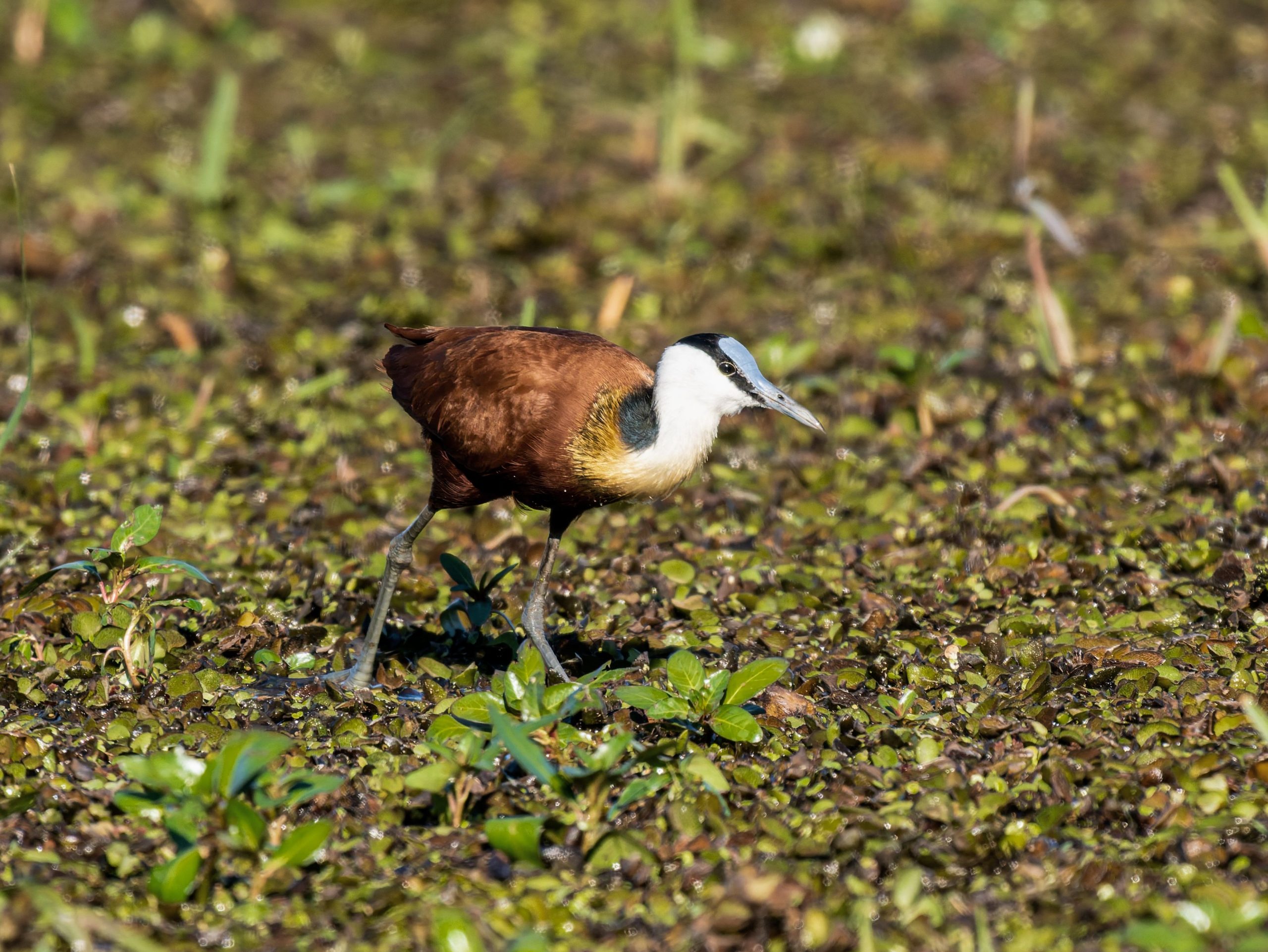
Bird Watching
Bird Watching
Bird Watching in Uganda: A Complete Guide to Birding Safaris in the Pearl of Africa
Uganda is one of Africa’s remarkable bird-watching destinations, offering an exceptional combination of forests, wetlands, lakes, rivers, savannahs, mountains, and tropical habitats. With more than 1,073 recorded bird species, Uganda offers birders an opportunity to encounter an impressive variety of resident and migratory birds in a relatively compact country. Uganda Wildlife Authority describes the country as a birding paradise, with its recorded species representing about 50% of Africa’s bird species.
From the famous shoebill to colorful turacos, forest specialists, raptors, waterbirds, and Albertine Rift endemics, bird watching in Uganda can be combined with gorilla trekking, chimpanzee tracking, wildlife game drives, boat cruises, cultural experiences, and nature walks.
For travelers looking for a professionally organized birding adventure, Turkana Wildlife Safaris Uganda can help design a bird-watching safari around the species, habitats, parks, and travel duration that interest you most.
Why Go Bird Watching in Uganda?
Uganda’s geographical position and diverse habitats make it particularly interesting for bird enthusiasts. A birder can move from wetlands and lakeshores to tropical forests, montane habitats, and open savannahs during the same trip.
The country’s bird diversity means that bird watching does not have to be limited to one national park. Different destinations offer different species and ecosystems.
Uganda Tourism Board has also identified bird watching as an important niche tourism activity, with opportunities for tourism development, employment, conservation, and professional guiding.
1. More Than 1,000 Bird Species
Uganda has recorded more than 1,073 bird species according to Uganda Wildlife Authority.
This gives birders the opportunity to build an impressive species list during a well-planned safari.
2. Excellent Habitat Diversity
Uganda’s bird habitats include:
- Tropical rainforests
- Wetlands
- Lakes and rivers
- Papyrus swamps
- Savannah grasslands
- Woodlands
- Mountains
- Agricultural landscapes
- Forest edges
- Riverine habitats
Each habitat attracts different bird species.
3. Birding Can Be Combined With Wildlife Safaris
One of the advantages of bird watching in Uganda is that you do not necessarily have to choose between birds and traditional wildlife.
A safari can combine birding with encounters with elephants, lions, buffaloes, giraffes, hippos, chimpanzees, gorillas, antelopes, and other wildlife.
Best Places for Bird Watching in Uganda
1. Murchison Falls National Park
Murchison Falls National Park is one of Uganda’s major birding destinations.
The park contains savannah, woodland, riverine environments, wetlands, and the Nile ecosystem, creating opportunities for seeing a wide range of birds.
Uganda Wildlife Authority specifically identifies Murchison Falls as an excellent destination for seeing many common birds and birding specials, including the shoebill.
Birding can be combined with:
- Game drives
- Nile boat cruises
- Nature walks
- Visiting the top of Murchison Falls
- Wildlife photography
This makes Murchison Falls particularly suitable for travelers who want a traditional safari alongside bird watching.
2. Bwindi Impenetrable National Park
Bwindi is famous worldwide for mountain gorilla trekking, but it is also an important destination for birders.
Its ancient rainforest provides habitat for numerous forest birds, including species associated with the Albertine Rift.
Uganda Wildlife Authority identifies Bwindi and Mgahinga as among the most accessible locations for Albertine Rift endemic birds.
Bird watching here can be combined with:
- Gorilla trekking
- Forest walks
- Cultural experiences
- Photography
- Nature exploration
For birders interested in forest species, Bwindi can be an important part of a longer Uganda birding itinerary.
3. Mgahinga Gorilla National Park
Mgahinga is another important Albertine Rift birding destination.
Located in southwestern Uganda, the park contains montane forest and high-altitude habitats. Its location within the Albertine Rift makes it particularly interesting for birders searching for species associated with this region.
It can also be combined with gorilla trekking and golden monkey experiences.
4. Kibale Forest National Park
Kibale is widely associated with chimpanzee tracking and primates, but its forest environment also offers excellent opportunities for bird watching.
Birders can explore forest trails while looking and listening for forest species.
Kibale is especially attractive for travelers who want to combine:
Birding + Chimpanzee Tracking + Primate Experiences
A birding safari here can therefore become part of a broader rainforest adventure.
5. Semuliki National Park
Semuliki is especially important for serious birders because of its ecological connection to the Congo Basin.
Uganda Wildlife Authority describes Semuliki as the only place in East Africa where many Guinea-Congo regional species can be found.
The park is therefore valuable for birders seeking species that are difficult to encounter elsewhere in East Africa.
Semuliki can be an excellent addition to an itinerary focused on forest bird diversity.
6. Mabamba Wetland
Mabamba Wetland, near Lake Victoria, is particularly well known for opportunities to search for the shoebill.
Wetlands provide important habitats for numerous waterbirds, making them valuable stops on Uganda birding itineraries.
Mabamba can be visited from the Entebbe area, making it convenient for travelers who have limited time before or after an international flight.
7. Queen Elizabeth National Park
Queen Elizabeth National Park combines diverse ecosystems with traditional safari experiences.
Birders can explore:
- Savannah
- Lakes
- Wetlands
- Forest patches
- The Kazinga Channel
- Open woodland
The park is also suitable for combining bird watching with game drives and boat cruises.
Uganda Tourism Board specifically highlights bird watching alongside wildlife and primate experiences in destinations including Queen Elizabeth, Kibale, and Bwindi.
8. Kidepo Valley National Park
For travelers looking for a different landscape, Kidepo Valley National Park offers expansive savannah and semi-arid environments in northeastern Uganda.
Its remote location provides a different birding experience from the tropical forests of southwestern Uganda.
Birding can be combined with game drives and exploration of the dramatic Kidepo landscape.
What Birds Can You See in Uganda?
The exact species you encounter depend on the destination, season, habitat, weather, and skill of your birding guide.
Some of the birds birders may search for include:
- Shoebill
- African fish eagle
- Great blue turaco
- African grey parrot
- Hornbills
- Kingfishers
- Bee-eaters
- Sunbirds
- Weavers
- Herons
- Egrets
- Storks
- Eagles
- Hawks
- Turacos
- Flycatchers
- Barbets
- Woodpeckers
- Cuckoos
- Swamp specialists
- Albertine Rift endemic species
A specialist birding guide can greatly improve the experience because many forest birds are easier to identify by their calls before they are seen.
The Shoebill: A Major Birding Attraction in Uganda
The shoebill is one of the birds that attracts international birders to Uganda.
Its enormous bill, tall body, prehistoric appearance, and unusual behavior make it one of Africa’s most distinctive birds.
Wetland areas such as Mabamba are among the places where birders search for shoebills, while UWA also identifies Murchison Falls as a destination where the species can be encountered.
Because wildlife sightings are never guaranteed, experienced guides are useful when planning a shoebill-focused excursion.
Albertine Rift Endemic Birds
One of the major attractions for serious birders is Uganda’s location within the Albertine Rift.
Some bird species are restricted to this region, making southwestern Uganda especially valuable for birding.
Bwindi and Mgahinga are highlighted by Uganda Wildlife Authority as key sites for Albertine Rift endemics.
A specialized itinerary can therefore focus specifically on finding these forest birds rather than simply trying to record as many species as possible.
Best Time for Bird Watching in Uganda
Bird watching is possible throughout the year in Uganda.
According to Uganda Wildlife Authority, the country is good for birding year-round, particularly because resident birds are an important part of the birding experience. However, weather conditions can affect roads and forest trails during wetter periods. UWA generally identifies late May through September as a favorable period because there is less rain and food availability is good.
December and January can also provide good birding conditions, while particular destinations can have their own seasonal considerations.
For birders targeting specific species, the best travel period should therefore be planned according to the species and destinations on the itinerary.
Bird Watching Equipment for a Uganda Safari
You do not need an enormous amount of equipment to enjoy birding in Uganda, but a few essentials can make a big difference.
Recommended Equipment
- Binoculars
- Camera with a telephoto lens
- Field guide
- Smartphone
- Notebook or birding app
- Comfortable walking shoes
- Lightweight clothing
- Rain jacket
- Hat
- Sunscreen
- Insect repellent
- Reusable water bottle
- Small backpack
A spotting scope can also be useful for certain wetland and open-country birding situations.
Why a Professional Birding Guide Matters
Bird watching is much more than simply walking through a forest and hoping birds appear.
An experienced guide can help you:
- Identify birds by appearance
- Recognize bird calls
- Locate camouflaged species
- Understand bird behavior
- Select productive habitats
- Plan birding around weather conditions
- Identify difficult species
- Keep accurate bird lists
This is particularly valuable in forests, where many birds may be heard before they are seen.
Bird Watching With Turkana Wildlife Safaris Uganda
Turkana Wildlife Safaris Uganda can help travelers organize bird-watching experiences across Uganda’s diverse habitats.
A birding itinerary can be customized around your interests, whether you are a first-time birder, wildlife photographer, experienced birdwatcher, or dedicated birder searching for particular species.
Depending on your interests and available time, an itinerary can include destinations such as:
- Mabamba Wetland
- Murchison Falls National Park
- Kibale Forest National Park
- Queen Elizabeth National Park
- Bwindi Impenetrable National Park
- Mgahinga Gorilla National Park
- Semuliki National Park
- Kidepo Valley National Park
You can also combine bird watching with Uganda’s other major experiences, including gorilla trekking, chimpanzee tracking, wildlife game drives, boat cruises, cultural encounters, and forest walks.
Turkana Wildlife Safaris Uganda can help plan the route, accommodation, transportation, guiding, park activities, and birding stops around your interests.
Sample Uganda Bird Watching Safari Itinerary
Day 1: Arrival in Uganda
Arrive in Entebbe and transfer to your accommodation.
Depending on your arrival time, you may begin birding around Entebbe or nearby wetlands.
Day 2: Mabamba Wetland Birding
Travel to Mabamba Wetland and search for wetland species, including the famous shoebill.
Return to Entebbe for overnight accommodation.
Day 3: Travel Toward Kibale
Travel west toward Kibale Forest, enjoying birding opportunities along the route.
Day 4: Kibale Forest Birding
Spend the day exploring forest habitats and searching for forest birds.
Chimpanzee tracking can also be incorporated into the itinerary.
Day 5: Queen Elizabeth National Park
Continue to Queen Elizabeth National Park for birding and wildlife viewing.
Day 6: Kazinga Channel
Enjoy a boat cruise on the Kazinga Channel while looking for waterbirds and other wildlife.
Day 7–9: Bwindi
Continue to Bwindi for forest birding.
Travelers interested in primates can also include gorilla trekking.
Day 10: Departure
Return toward Entebbe or continue with additional safari activities depending on your flight schedule.
The itinerary can be shortened, extended, or redesigned around particular bird species.
Bird Watching in Uganda for Beginners
You do not have to be an expert birder to enjoy Uganda.
Beginners can start with common and easily recognizable birds before gradually learning more difficult species.
A good guide will help you understand:
- Bird shapes
- Colors
- Calls
- Flight patterns
- Habitats
- Feeding behavior
- Nesting behavior
Even travelers who have never used binoculars can enjoy a birding safari.
Bird Watching for Experienced Birders
Experienced birders may prefer a more specialized itinerary.
Instead of simply visiting Uganda’s major tourist attractions, the trip can focus on:
- Albertine Rift endemics
- Forest specialists
- Wetland species
- Shoebill sightings
- Migratory birds
- Guinea-Congo species
- High-altitude birds
- Large species lists
- Bird photography
A specialist itinerary can also allocate more time to particular habitats and reduce unnecessary travel between destinations.
Bird Photography in Uganda
Uganda provides excellent opportunities for wildlife and bird photography.
Photographers can capture birds against backgrounds ranging from tropical forests and wetlands to savannah and mountain landscapes.
For photography-focused safaris, it is useful to allow extra time at productive locations rather than rushing between destinations.
Patience is often the secret weapon in bird photography.
Frequently Asked Questions About Bird Watching in Uganda
1. Is Uganda good for bird watching?
Yes. Uganda has more than 1,073 recorded bird species and a wide variety of habitats, making it an important birding destination in Africa.
2. What is the most famous bird to see in Uganda?
The shoebill is one of Uganda’s most famous and sought-after birds. It can be searched for in suitable wetland habitats and is also listed by UWA among the birding highlights of Murchison Falls.
3. Where is the best place to see birds in Uganda?
There is no single destination that covers every bird species. Murchison Falls, Bwindi, Mgahinga, Kibale, Semuliki, Queen Elizabeth, and wetland locations such as Mabamba each offer different birding opportunities.
4. When is the best time for bird watching in Uganda?
Birding is possible throughout the year. UWA identifies late May through September as a generally favorable period because of reduced rainfall, while December and January can also be good.
5. Can I combine bird watching with a wildlife safari?
Absolutely. Bird watching can be combined with game drives, boat cruises, gorilla trekking, chimpanzee tracking, and other activities.
6. Can I see the shoebill in Uganda?
Yes. Shoebills can be found in suitable wetland habitats in Uganda, and Murchison Falls is also identified by UWA as a place where birders can search for the species.
7. Is bird watching suitable for beginners?
Yes. Beginners can enjoy birding with a knowledgeable guide who can help identify birds by their appearance and calls.
8. How many days do I need for a Uganda birding safari?
A short birding trip can focus on one or two destinations, while a longer itinerary allows travelers to explore several habitats and search for a broader range of species.
9. What should I bring for bird watching?
Binoculars, comfortable walking shoes, light clothing, a rain jacket, hat, sunscreen, insect repellent, water, a camera, and a bird field guide are useful.
10. Can Turkana Wildlife Safaris organize a birding safari?
Yes. Turkana Wildlife Safaris Uganda can be included as your safari planning and guiding partner for a customized Uganda birding itinerary, including transportation, accommodation, park visits, birding activities, and combinations with other wildlife experiences.
Conclusion: Discover Uganda Through Bird Watching
Bird watching in Uganda is an opportunity to explore one of Africa’s most biologically diverse destinations while experiencing forests, wetlands, lakes, mountains, rivers, and savannah landscapes.
With more than 1,073 recorded bird species, important Albertine Rift habitats, wetlands supporting remarkable species such as the shoebill, and destinations such as Bwindi, Murchison Falls, Kibale, Semuliki, Queen Elizabeth, Mgahinga, and Mabamba, Uganda offers birding experiences for both beginners and experienced birders.
Whether your goal is to photograph beautiful birds, search for rare forest species, find the shoebill, build a long bird list, or combine birding with gorilla trekking and wildlife viewing, Uganda provides plenty of possibilities.
Plan your Uganda bird-watching adventure with Turkana Wildlife Safaris Uganda and explore the incredible birdlife of the Pearl of Africa.