
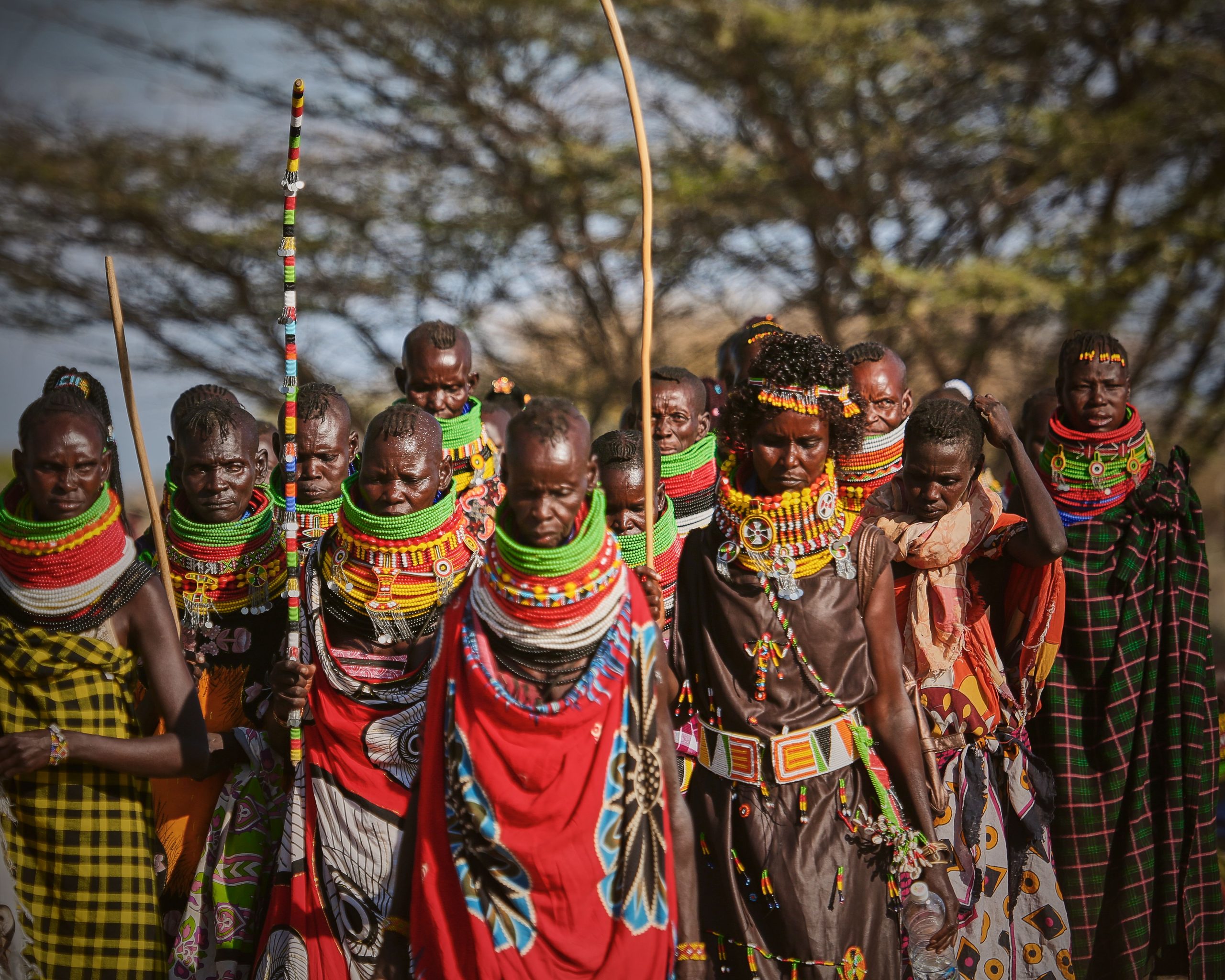
Samburu National Reserve Kenya
Samburu National Reserve Kenya
Samburu National Reserve: Kenya’s Untamed Northern Safari Paradise
Samburu National Reserve is one of Kenya’s most spectacular wildlife destinations, offering visitors an authentic safari experience away from the crowds. Located in Samburu County in northern Kenya, the reserve covers approximately 165 square kilometers along the banks of the Ewaso Nyiro River, the region’s primary water source. Samburu is famous for its breathtaking semi-arid landscapes, rich cultural heritage, and rare wildlife species that cannot easily be found in other Kenyan parks. The reserve forms part of a larger protected ecosystem together with Buffalo Springs and Shaba National Reserves, creating an exceptional habitat for wildlife and birdlife.
Where is Samburu National Reserve?
Samburu National Reserve lies approximately 345 kilometers north of Nairobi, making it easily accessible by road or scheduled domestic flights. The reserve’s landscape consists of acacia woodlands, open savannah, rocky hills, riverine forests, and the life-giving Ewaso Nyiro River that attracts wildlife throughout the year. The dry climate and dramatic scenery make Samburu one of East Africa’s most picturesque safari destinations.
History of Samburu National Reserve
Established in 1948, Samburu National Reserve has grown into one of Kenya’s premier conservation areas. The reserve has played a significant role in protecting endangered wildlife species and supporting scientific research. Conservation efforts have helped preserve numerous rare species while also promoting sustainable tourism that benefits the local Samburu communities.
Wildlife in Samburu National Reserve
Samburu is internationally recognized for its extraordinary wildlife diversity. While visitors can see the famous African Big Cats and large mammals, the reserve is best known for the Samburu Special Five, species specially adapted to northern Kenya’s dry environment.
These include:
- Grevy’s Zebra
- Reticulated Giraffe
- Somali Ostrich
- Beisa Oryx
- Gerenuk
These remarkable animals are rarely seen together anywhere else in Kenya, making Samburu a must-visit destination for wildlife enthusiasts and photographers.
Other commonly sighted wildlife includes:
- African Elephants
- Lions
- Leopards
- Cheetahs
- African Buffalo
- Spotted Hyenas
- Crocodiles
- Hippos
- Jackals
- Olive Baboons
- Vervet Monkeys
- Dik-diks
- Warthogs
Bird Watching in Samburu
Bird lovers will find Samburu to be an exceptional destination, with over 450 recorded bird species. The reserve supports both dry-country birds and riverine forest species.
Popular birds include:
- Martial Eagle
- Secretary Bird
- African Fish Eagle
- Vulturine Guineafowl
- Kori Bustard
- Yellow-billed Hornbill
- Kingfishers
- Bee-eaters
- Sunbirds
- Herons
Migratory birds also visit during the wet seasons, making birding rewarding throughout much of the year.
Best Activities in Samburu National Reserve
Game Drives
Morning and evening game drives offer excellent opportunities to spot predators, elephants, giraffes, zebras, and the unique Samburu Special Five.
Bird Watching
Professional guides help visitors identify hundreds of resident and migratory bird species.
Wildlife Photography
The reserve’s golden lighting, dramatic scenery, and rare wildlife create perfect conditions for photography.
Samburu Cultural Visits
Visitors can explore nearby Samburu villages and learn about traditional pastoral lifestyles, colorful clothing, beadwork, dances, and customs.
Nature Walks
Some conservancies surrounding Samburu offer guided walking safaris where visitors experience the African wilderness on foot.
Best Time to Visit Samburu
Samburu can be visited throughout the year, although the dry seasons provide the best wildlife viewing.
June to October
- Excellent wildlife viewing
- Animals gather around the Ewaso Nyiro River
- Pleasant safari conditions
December to March
- Warm weather
- Outstanding photography
- Excellent predator sightings
April to May
- Green landscapes
- Fewer tourists
- Excellent bird watching
Accommodation in Samburu
Visitors can choose from:
- Luxury safari lodges
- Boutique tented camps
- Mid-range safari camps
- Budget accommodations
- Eco-friendly lodges
- Private conservancy camps
Most accommodations overlook the river or wildlife-rich plains.
Conservation Efforts
Samburu is an important conservation landscape for endangered northern Kenyan wildlife. Ongoing conservation programs protect elephants, Grevy’s zebras, reticulated giraffes, and other threatened species while supporting community-based conservation initiatives that involve local Samburu people.
Why Choose Turkana Wildlife Safaris Uganda for Your Samburu Safari?
Turkana Wildlife Safaris Uganda offers professionally organized Kenya safari packages that include unforgettable adventures to Samburu National Reserve. Their experienced safari consultants design personalized itineraries for individuals, families, photographers, honeymooners, and groups.
With Turkana Wildlife Safaris Uganda, you can enjoy:
- Customized Samburu safari packages
- Professional English-speaking safari guides
- Comfortable 4×4 safari vehicles
- Luxury, mid-range, and budget accommodation options
- Bird watching safaris
- Wildlife photography expeditions
- Cultural experiences with the Samburu people
- Combined Kenya and Uganda safari itineraries
- Airport transfers and complete travel planning
The company also specializes in multi country East African safaris, allowing travelers to combine Samburu with destinations such as Maasai Mara, Amboseli, Lake Nakuru, Bwindi Impenetrable National Park, Queen Elizabeth National Park, and Murchison Falls National Park.
Frequently Asked Questions (FAQs)
Where is Samburu National Reserve located?
Samburu National Reserve is located in Samburu County, northern Kenya, approximately 345 kilometers from Nairobi.
What is Samburu famous for?
The reserve is famous for its Samburu Special Five, spectacular elephant populations, predators, birdlife, beautiful landscapes, and rich Samburu culture.
What are the Samburu Special Five?
They are:
- Grevy’s Zebra
- Reticulated Giraffe
- Beisa Oryx
- Somali Ostrich
- Gerenuk
How many days are enough for Samburu?
A 2 to 3-day safari allows visitors enough time to enjoy game drives, bird watching, photography, and cultural experiences.
Is Samburu suitable for families?
Yes. Samburu is an excellent destination for families, photographers, birders, honeymooners, and wildlife enthusiasts.
What is the best time to visit Samburu?
The best months are June to October and December to March, when wildlife is easiest to see.
Can Samburu be combined with other safari destinations?
Yes. Many travelers combine Samburu with Maasai Mara, Lake Nakuru, Amboseli, Ol Pejeta Conservancy, and Uganda’s national parks through Turkana Wildlife Safaris Uganda.
Is bird watching good in Samburu?
Absolutely. With more than 450 bird species, Samburu is considered one of Kenya’s finest birding destinations.
Conclusion
Samburu National Reserve offers one of Kenya’s most authentic and rewarding safari experiences. From the iconic Samburu Special Five and abundant elephants to dramatic landscapes, exceptional birdlife, and vibrant local culture, every visit promises unforgettable memories. Whether you are planning your first African safari or returning to explore Kenya’s hidden gems, Samburu delivers extraordinary wildlife encounters in a peaceful and uncrowded setting.
For a seamless and professionally guided adventure, Turkana Wildlife Safaris Uganda provides expertly tailored safari packages that combine Samburu with Kenya’s and Uganda’s most iconic destinations. With experienced guides, flexible itineraries, and outstanding customer service, your East African safari will be an unforgettable journey into the heart of Africa’s wilderness.