
Savanna Predators
Savanna Predators
Savanna Predators: Masters of the African Wilderness
The African savanna is a vast expanse of grassland that stretches across the continent, home to some of the most iconic and fearsome predators on Earth. From the stealthy lion to the cunning hyena, these predators play a crucial role in maintaining the balance of the ecosystem. In this article, we will explore the fascinating world of savanna predators, their hunting strategies, and their role in the food chain.
The Role of Predators in the Savanna Ecosystem
Predators in the savanna are essential for the health and stability of the ecosystem. They help control herbivore populations, preventing overgrazing and ensuring that vegetation can regenerate. Without predators, the balance of the ecosystem would be disrupted, leading to a cascade of negative effects on the environment.
Top Predators of the Savanna
The savanna is home to a variety of predators, each with unique adaptations that allow them to thrive in this challenging environment. Some of the most well-known predators include:
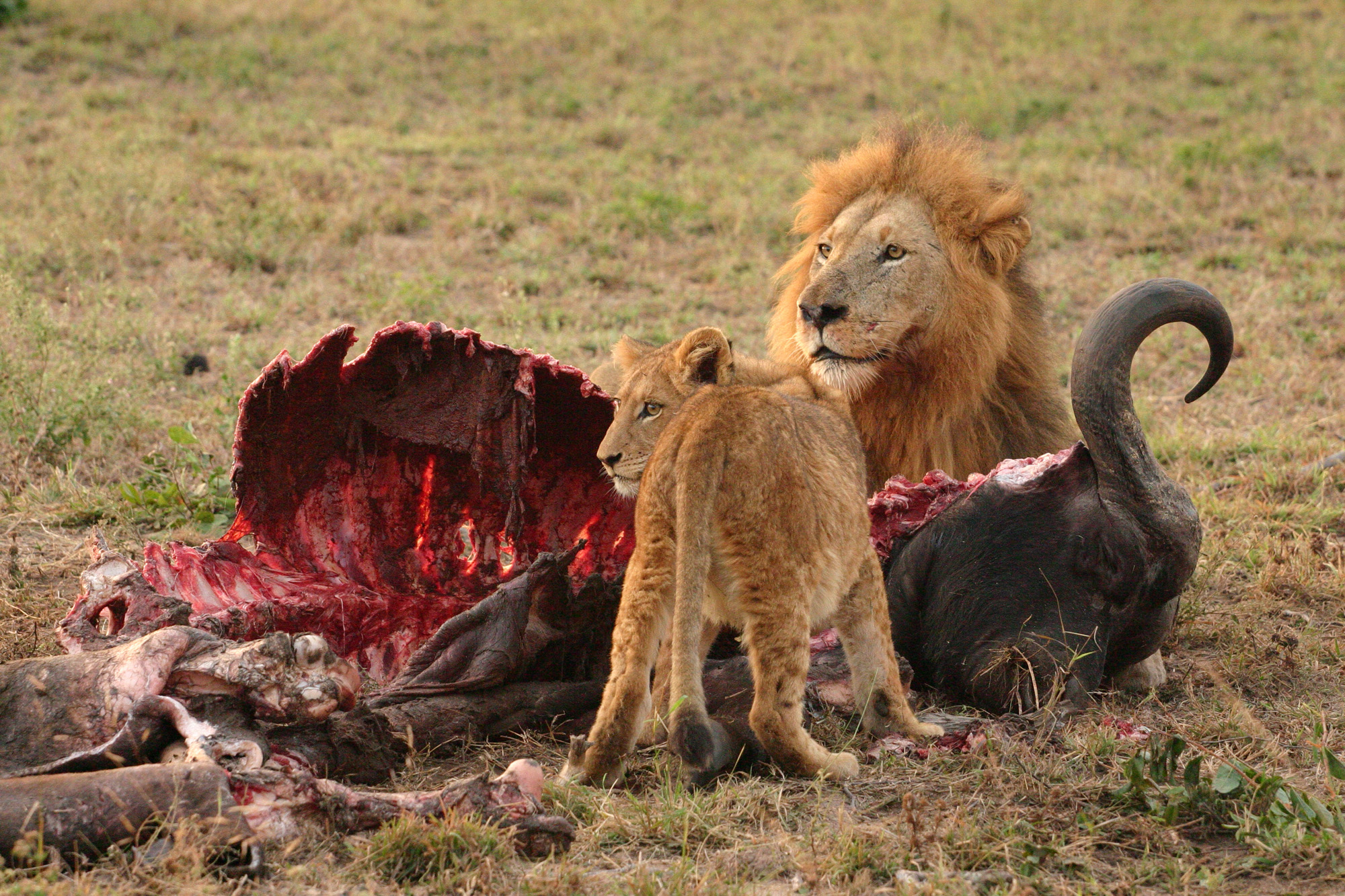
- Lions: Known as the “king of the jungle,” lions are apex predators in the savanna. They are social animals that hunt in prides, using teamwork to take down large prey such as zebras and wildebeest.
- Leopards: Solitary and elusive, leopards are expert climbers and often drag their kills into trees to protect them from scavengers. They are opportunistic hunters, preying on a wide range of animals, from small rodents to antelope.
- Cheetahs: The fastest land animals, cheetahs rely on their incredible speed to chase down prey. Unlike other big cats, they do not rely on strength but on their ability to outrun their prey in short bursts of speed.
- Hyenas: Often misunderstood, hyenas are highly intelligent and efficient hunters. While they are known for scavenging, they are also skilled hunters capable of bringing down large prey.
- Wild Dogs: African wild dogs, also known as painted wolves, are highly social animals that hunt in packs. They are known for their endurance and teamwork, which allows them to chase down prey over long distances.
Hunting Strategies of Savanna Predators
Each predator in the savanna has developed unique hunting strategies to survive in this competitive environment. These strategies are often shaped by the predator’s physical characteristics, social structure, and the type of prey they target.
Lions: Strength in Numbers
Lions are the only social big cats, and their hunting strategy revolves around teamwork. A pride of lions will often work together to surround and ambush their prey. The lionesses, who do most of the hunting, use their powerful bodies and sharp claws to bring down large animals. Once the prey is caught, the entire pride shares the meal, with the dominant males eating first.
Leopards: Stealth and Ambush
Leopards rely on stealth and surprise to catch their prey. They are solitary hunters, often stalking their prey for long periods before launching a swift and deadly attack. Leopards are also known for their ability to climb trees, which they use to their advantage by dragging their kills into the branches to avoid scavengers.
Cheetahs: Speed and Precision
Cheetahs are built for speed, with long legs, a lightweight body, and non-retractable claws that provide extra traction. They rely on their incredible acceleration to chase down prey, often reaching speeds of up to 70 miles per hour. However, cheetahs can only maintain this speed for short distances, so they must get as close as possible to their prey before launching a chase.
Hyenas: Opportunistic and Strategic
Hyenas are often seen as scavengers, but they are also skilled hunters. They have powerful jaws that can crush bones, allowing them to consume almost every part of their prey. Hyenas are opportunistic hunters, often working in clans to take down larger animals. They are also known to steal kills from other predators, using their strength in numbers to intimidate competitors.
Wild Dogs: Endurance and Teamwork
African wild dogs are known for their incredible stamina and teamwork. They hunt in packs, using their numbers to chase down prey over long distances. Wild dogs are highly efficient hunters, with a success rate of up to 80%, much higher than that of lions or leopards. Their cooperative hunting style allows them to take down prey much larger than themselves.
The Prey of Savanna Predators
Savanna predators have a wide range of prey to choose from, depending on their size, speed, and hunting strategy. Some of the most common prey animals include:
- Zebras: Zebras are a favorite target for many predators due to their size and abundance. However, their strong kicks and sharp hooves make them dangerous prey.
- Wildebeest: During the annual migration, wildebeest become a prime target for predators, especially lions and crocodiles. Their large numbers make them an easy target, but their size and strength can make them difficult to take down.
- Gazelles: Smaller and faster than other prey animals, gazelles are often targeted by cheetahs, who rely on their speed to catch them.
- Buffalo: African buffalo are large and powerful animals that are difficult to hunt. Lions are the only predators capable of taking down a fully grown buffalo, and even then, it often requires the entire pride to do so.
- Impala: Impalas are agile and quick, making them a challenging target for predators. However, their abundance in the savanna makes them a common prey item for many predators.
The Importance of Predators in Maintaining the Balance
Predators play a crucial role in maintaining the balance of the savanna ecosystem. By controlling herbivore populations, they prevent overgrazing, which can lead to soil erosion and the destruction of plant life. This, in turn, helps maintain the health of the entire ecosystem, ensuring that there is enough food and resources for all species.
Without predators, herbivore populations would grow unchecked, leading to overgrazing and the depletion of vegetation. This would have a ripple effect throughout the ecosystem, affecting not only the herbivores but also other species that rely on the same resources.
Human Impact on Savanna Predators
Unfortunately, many savanna predators are facing threats from human activities. Habitat loss, poaching, and conflict with humans are some of the biggest challenges these animals face. As human populations continue to grow, more land is being converted for agriculture and development, reducing the available habitat for predators.
Poaching and Illegal Wildlife Trade
Poaching is a major threat to many savanna predators, particularly lions and leopards. These animals are often targeted for their skins, bones, and other body parts, which are sold on the black market. The illegal wildlife trade is a multi-billion-dollar industry that poses a significant threat to the survival of many species.
Human-Wildlife Conflict
As human populations expand into savanna regions, conflicts between humans and predators are becoming more common. Livestock predation by lions, hyenas, and other predators often leads to retaliation by farmers, who may kill the predators to protect their animals. This conflict is a major challenge for conservation efforts, as it can lead to the decline of predator populations.
Conservation Efforts
Despite these challenges, there are many conservation efforts underway to protect savanna predators and their habitats. National parks and wildlife reserves provide safe havens for these animals, while anti-poaching initiatives and community-based conservation programs aim to reduce human-wildlife conflict.
FAQ: Savanna Predators
1. What is the most dangerous predator in the savanna?
The lion is often considered the most dangerous predator in the savanna due to its size, strength, and ability to hunt in groups. However, other predators like leopards and hyenas can also be highly dangerous, especially when threatened.
2. How do predators contribute to the savanna ecosystem?
Predators help maintain the balance of the savanna ecosystem by controlling herbivore populations. This prevents overgrazing and ensures that vegetation can regenerate, supporting the health of the entire ecosystem.
3. What is the fastest predator in the savanna?
The cheetah is the fastest predator in the savanna, capable of reaching speeds of up to 70 miles per hour. It relies on its speed to chase down prey, making it one of the most efficient hunters in the savanna.
4. How do conservation efforts protect savanna predators?
Conservation efforts include the establishment of national parks and wildlife reserves, anti-poaching initiatives, and community-based programs that aim to reduce human-wildlife conflict. These efforts help protect predators and their habitats from human threats.
5. What is the biggest threat to savanna predators?
The biggest threats to savanna predators are habitat loss, poaching, and human-wildlife conflict. As human populations expand, predators are losing their habitats and facing increased conflict with humans.
In conclusion, savanna predators are not only fascinating creatures but also vital components of the ecosystem. Their presence ensures the health and balance of the savanna, making them indispensable to the survival of this unique environment. Through continued conservation efforts, we can help protect these incredible animals and preserve the African savanna for future generations.