
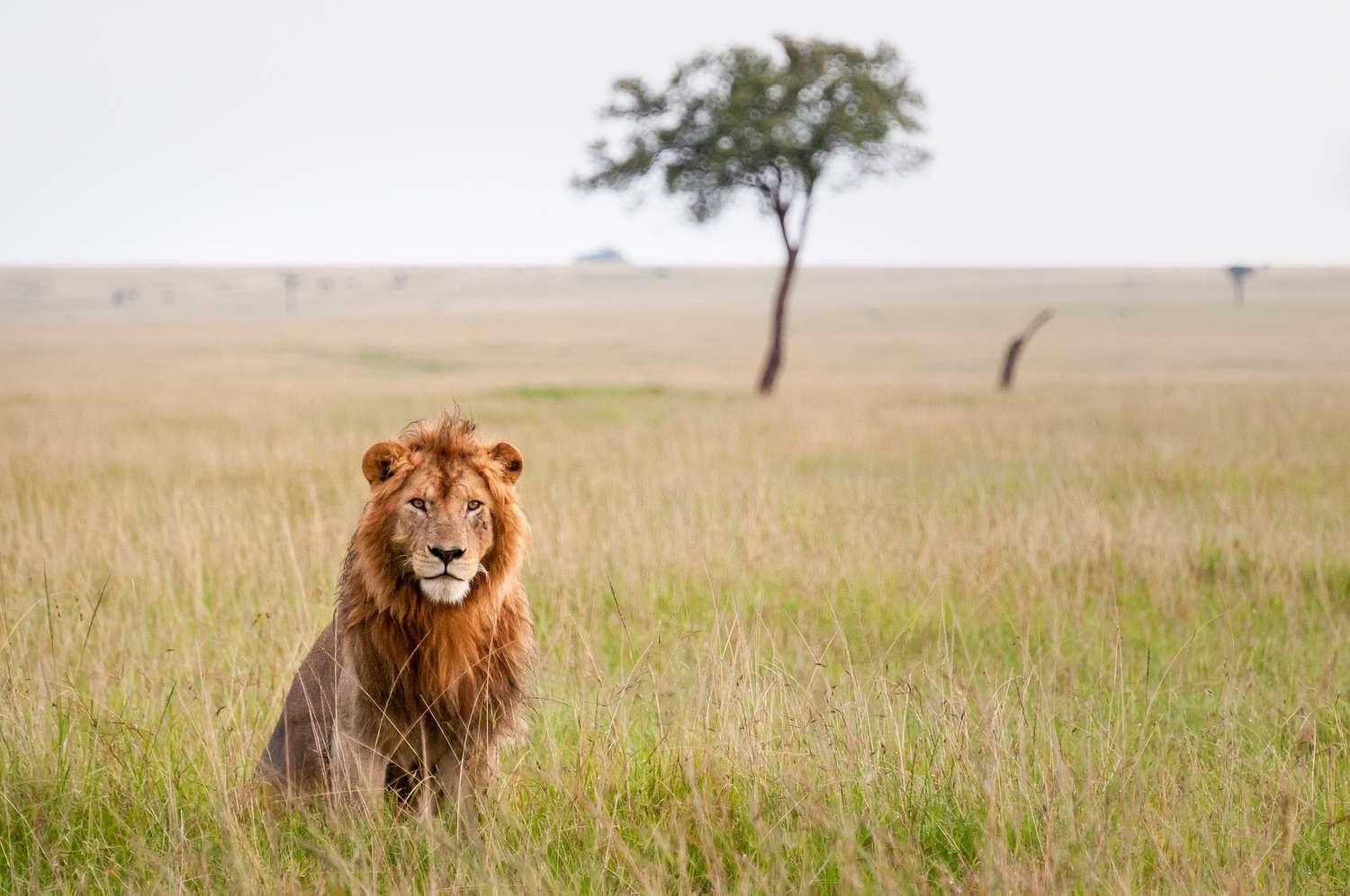
Savanna Wildlife
Savanna Wildlife
Savanna Wildlife: An In-Depth Exploration of Biodiversity and Survival
The savanna is one of the most iconic and biologically diverse ecosystems on Earth. Stretching across continents like Africa, Australia, and South America, savannas are home to a wide variety of species, each uniquely adapted to survive in this challenging environment. In this article, we will explore the fascinating world of savanna wildlife, delving into the intricate relationships between flora and fauna, the survival strategies of different species, and the ecological importance of this biome.
What is a Savanna?
A savanna is a mixed grassland ecosystem characterized by the presence of scattered trees, which allows for an open canopy. Unlike forests, where trees dominate the landscape, savannas have a balance between grasslands and trees, which creates a unique habitat for a wide range of species. The climate in savannas is typically warm with distinct wet and dry seasons, which significantly influences the behavior and survival strategies of the wildlife that inhabit these regions.
Key Characteristics of the Savanna Ecosystem
- Seasonal Rainfall: Savannas experience a distinct wet season and a prolonged dry season. The wet season brings life-giving rains, while the dry season can be harsh, with limited water resources.
- Fire: Fire plays a crucial role in maintaining the savanna ecosystem. It helps control the growth of trees and shrubs, allowing grasses to thrive and providing open spaces for grazing animals.
- Diverse Flora and Fauna: Savannas are home to a wide variety of plant and animal species, each adapted to the unique conditions of this ecosystem.
Iconic Wildlife of the Savanna
The savanna is renowned for its incredible biodiversity, particularly its large mammals. From the majestic African elephant to the swift cheetah, the savanna is home to some of the most iconic species on the planet. Let’s take a closer look at some of the key species that define this ecosystem.
African Elephant
The African elephant is the largest land animal on Earth and a keystone species in the savanna. Elephants play a critical role in shaping the landscape by uprooting trees and creating open spaces for other species to thrive. They are also known for their complex social structures and strong familial bonds.
- Diet: Elephants are herbivores, feeding on grasses, leaves, bark, and fruit.
- Behavior: Elephants are highly social animals, living in matriarchal herds led by an older female.
- Conservation Status: African elephants are currently listed as vulnerable due to habitat loss and poaching for their ivory.
Lion
Known as the “king of the jungle,” the lion is one of the most iconic predators of the savanna. Lions are apex predators, meaning they are at the top of the food chain and have no natural enemies.
- Diet: Lions are carnivores, primarily hunting large herbivores such as zebras, wildebeests, and antelopes.
- Social Structure: Lions live in prides, which are social groups consisting of related females, their offspring, and a few males.
- Conservation Status: Lions are classified as vulnerable, with populations declining due to habitat loss and human-wildlife conflict.
Giraffe
The giraffe is the tallest land animal, easily recognizable by its long neck and spotted coat. Giraffes are well adapted to life in the savanna, where they feed on the leaves of tall trees that other herbivores cannot reach.
- Diet: Giraffes are herbivores, feeding primarily on acacia leaves.
- Behavior: Giraffes are social animals, often forming loose herds.
- Conservation Status: Giraffes are listed as vulnerable, with habitat loss and poaching being the main threats to their survival.
Cheetah
The cheetah is the fastest land animal, capable of reaching speeds of up to 70 mph in short bursts. This incredible speed allows cheetahs to hunt swift prey such as gazelles and impalas.
- Diet: Cheetahs are carnivores, specializing in hunting small to medium-sized ungulates.
- Behavior: Unlike lions, cheetahs are solitary animals, with males sometimes forming small coalitions.
- Conservation Status: Cheetahs are classified as vulnerable, with habitat loss and human-wildlife conflict being the primary threats.
Zebra
The zebra is a herbivorous mammal known for its distinctive black-and-white striped coat. Zebras are highly social animals, often forming large herds that migrate across the savanna in search of food and water.
- Diet: Zebras are grazers, feeding primarily on grasses.
- Behavior: Zebras are social animals, often forming mixed herds with other species such as wildebeests and antelopes.
- Conservation Status: While some zebra species are stable, others are endangered due to habitat loss and hunting.
The Role of Predators and Prey in the Savanna
The savanna is a dynamic ecosystem where the interactions between predators and prey play a crucial role in maintaining balance. Predators such as lions, cheetahs, and hyenas help control the populations of herbivores, preventing overgrazing and ensuring that the vegetation remains healthy. In turn, herbivores such as zebras, wildebeests, and antelopes play a critical role in shaping the landscape by grazing on grasses and dispersing seeds.
Predator-Prey Relationships
- Lions and Zebras: Lions often target zebras as prey, relying on their strength and teamwork to bring down these large herbivores.
- Cheetahs and Gazelles: Cheetahs specialize in hunting smaller, faster prey such as gazelles, using their incredible speed to chase down their targets.
- Hyenas and Carrion: Hyenas are opportunistic predators and scavengers, often feeding on the remains of animals killed by other predators.
Adaptations of Savanna Wildlife
The wildlife of the savanna has evolved a wide range of adaptations to survive in this challenging environment. From physical adaptations to behavioral strategies, these species have developed unique ways to cope with the extreme conditions of the savanna.
Physical Adaptations
- Elephants: Elephants have large ears that help them regulate their body temperature by dissipating heat.
- Giraffes: Giraffes have long necks that allow them to reach leaves high up in trees, giving them access to food that other herbivores cannot reach.
- Cheetahs: Cheetahs have slender bodies and long legs, which are perfectly adapted for high-speed chases.
Behavioral Adaptations
- Migration: Many herbivores, such as wildebeests and zebras, migrate across the savanna in search of food and water during the dry season.
- Nocturnal Behavior: Some animals, such as lions and hyenas, are more active at night to avoid the heat of the day.
- Social Structures: Many savanna species, such as elephants and lions, live in complex social groups that provide protection and increase their chances of survival.
The Importance of the Savanna Ecosystem
The savanna is not only home to a rich diversity of wildlife but also plays a crucial role in the global ecosystem. Savannas act as carbon sinks, helping to regulate the Earth’s climate by absorbing carbon dioxide from the atmosphere. Additionally, savannas support local human populations by providing resources such as food, water, and grazing land for livestock.
Threats to the Savanna Ecosystem
Despite its ecological importance, the savanna is under threat from human activities such as deforestation, agriculture, and climate change. These activities are leading to habitat loss, which in turn threatens the survival of the wildlife that depends on the savanna.
- Deforestation: The clearing of trees for agriculture and development is reducing the amount of available habitat for savanna species.
- Climate Change: Changes in rainfall patterns and increasing temperatures are altering the savanna ecosystem, making it more difficult for species to survive.
- Poaching: Illegal hunting of animals such as elephants and rhinos for their tusks and horns is a major threat to wildlife in the savanna.
Conservation Efforts
To protect the savanna and its wildlife, conservation organizations are working to preserve habitats, reduce human-wildlife conflict, and combat poaching. National parks and wildlife reserves play a crucial role in protecting savanna ecosystems, providing safe havens for species to thrive.
Key Conservation Strategies
- Protected Areas: Establishing national parks and wildlife reserves to protect critical habitats.
- Anti-Poaching Efforts: Implementing measures to combat illegal hunting and trade in wildlife products.
- Community Involvement: Engaging local communities in conservation efforts to reduce human-wildlife conflict and promote sustainable land use.
Frequently Asked Questions (FAQ)
1. What animals live in the savanna?
The savanna is home to a wide variety of animals, including elephants, lions, giraffes, zebras, cheetahs, and hyenas. These species are well adapted to the unique conditions of the savanna, such as seasonal rainfall and open grasslands.
2. How do animals survive in the savanna?
Animals in the savanna have evolved a range of adaptations to survive in this challenging environment. These include physical adaptations, such as the elephant’s large ears for heat regulation, and behavioral adaptations, such as the migration of herbivores in search of food and water.
3. Why is the savanna important?
The savanna is important for several reasons. It supports a rich diversity of wildlife, acts as a carbon sink to help regulate the Earth’s climate, and provides resources for local human populations, such as food, water, and grazing land.
4. What are the main threats to the savanna?
The main threats to the savanna include deforestation, climate change, and poaching. These activities are leading to habitat loss and threatening the survival of the wildlife that depends on the savanna.
5. How can we protect the savanna?
We can protect the savanna by supporting conservation efforts, such as establishing protected areas, combating poaching, and engaging local communities in sustainable land use practices.