
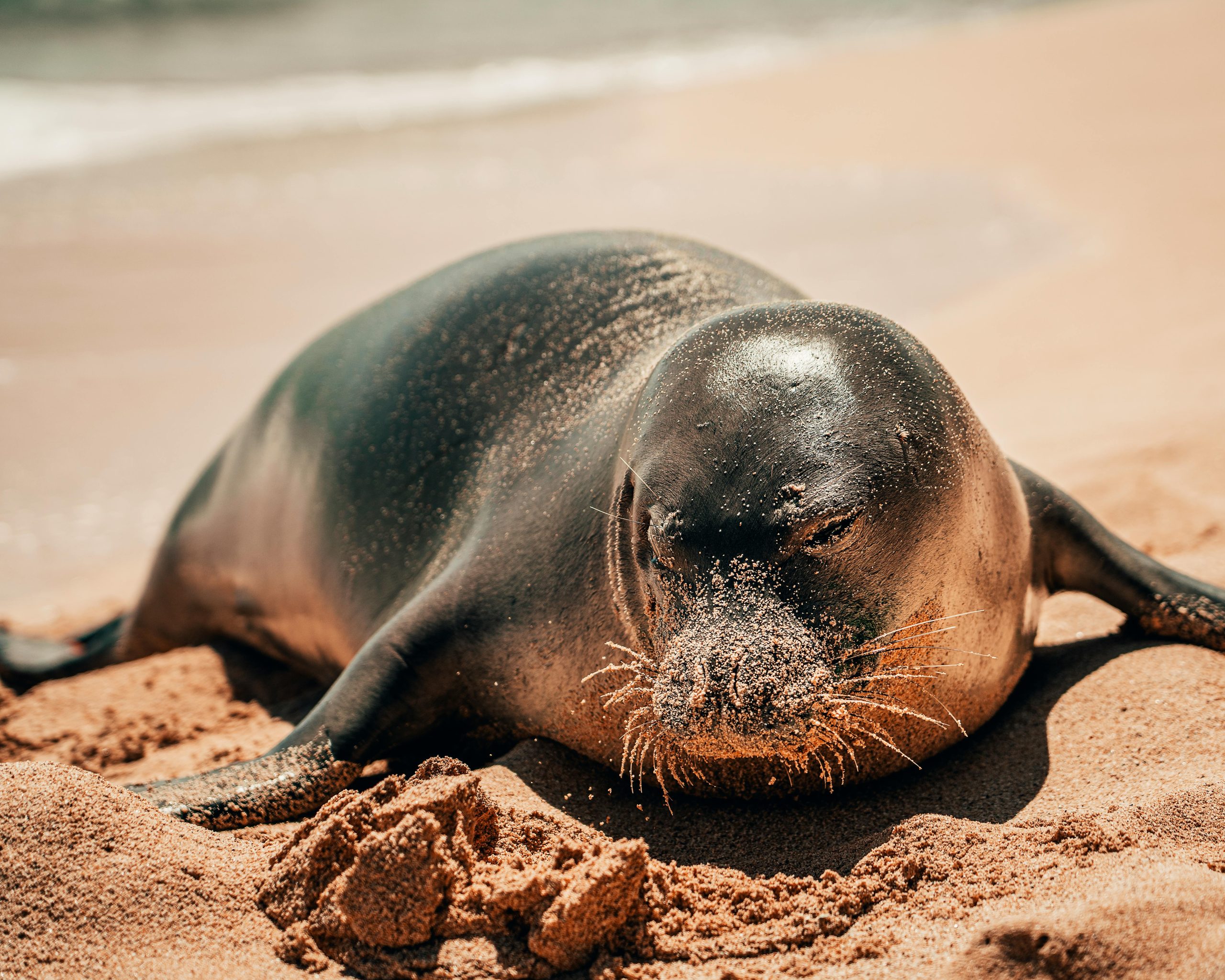
Sea Lion
Sea Lion
The Majestic Sea Lion: A Deep Dive into the Life, Habitat, and Conservation of This Marine Marvel
Introduction
The sea lion, a charismatic and intelligent marine mammal, has long captured the fascination of scientists, conservationists, and ocean enthusiasts alike. Known for their playful behavior, social nature, and remarkable adaptability, these creatures are more than just circus performers or aquarium residents—they are vital components of marine ecosystems. This comprehensive guide explores their biology, behavior, habitats, and the growing conservation efforts aimed at protecting them.
Whether you’re a marine biology student, an eco-tourist, or simply curious about these fascinating animals.
What Are Sea Lions?
These marine mammals belong to the family Otariidae, which also includes fur seals. Unlike true seals (Phocidae), they have external ear flaps and large, powerful front flippers that allow them to “walk” on land. As pinnipeds—meaning “fin-footed”—they are well adapted to both aquatic and terrestrial environments.
Key Characteristics:
- External ear flaps (pinnae)
- Rotatable hind flippers for agile land movement
- Large fore flippers for swimming
- Thick blubber for insulation
- Highly social behavior, often in large colonies
Species Overview
There are six extant species, each with unique traits and geographic distributions:
1. California Species (Zalophus californianus)
- Common in aquariums and marine shows
- Found along the western coast of North America
- Known for intelligence and trainability
2. Steller Species (Eumetopias jubatus)
- Largest of the group
- Inhabits the North Pacific Ocean
- Males can weigh up to 2,500 pounds
3. South American Variety (Otaria flavescens)
- Found along the coasts of South America
- Males have a distinctive mane
4. Australian Type (Neophoca cinerea)
- Endemic to southern and western Australia
- One of the rarest and most endangered
5. New Zealand Kind (Phocarctos hookeri)
- Also known as Hooker’s species
- Native to subantarctic islands
6. Galápagos Variant (Zalophus wollebaeki)
- Found exclusively in the Galápagos Islands
- Smaller and more agile than their Californian relatives
Habitat and Distribution
These animals are found in both hemispheres, typically along coastlines and offshore islands. Their habitats range from temperate to subarctic waters, and they are often seen basking on beaches, rocky shores, and man-made structures like docks and buoys.
Common Habitats:
- Coastal beaches and rocky outcrops
- Subantarctic islands
- Harbors and marinas
- Sea caves and kelp forests
Highly adaptable, they move between land and sea with ease, spending much of their lives diving for food and traveling great distances in search of prey.
Diet and Hunting Behavior
Carnivorous and opportunistic, their diet varies depending on species and location but generally includes:
- Fish (e.g., anchovies, sardines, herring)
- Squid
- Octopus
- Crustaceans
Hunting Techniques:
- Use of sensitive whiskers (vibrissae) to detect prey
- Cooperative hunting in groups
- Deep diving (up to 900 feet)
- Fast swimming (up to 25 mph)
As apex predators, they play a crucial role in maintaining the balance of marine ecosystems.
Social Structure and Communication
Highly social, these animals are often found in large colonies called rookeries, which can number in the thousands during breeding season.
Social Behavior:
- Hierarchical structure with dominant males
- Territorial behavior during mating season
- Mother-pup bonding through vocalizations and scent
- Playful interactions among juveniles
Communication Methods:
- Barks, growls, and roars
- Body language such as posturing and flipper slapping
- Scent marking for territory and individual recognition
Their complex social systems are key to survival and reproductive success.
Reproduction and Lifecycle
These marine mammals have a polygynous mating system, where dominant males mate with multiple females during the breeding season.
Breeding Cycle:
- Mating occurs on land during summer
- Females give birth to a single pup after an 11-month gestation
- Pups nurse for up to 12 months
- Sexual maturity reached at 4–6 years
Mothers are extremely attentive, often returning to the same rookery year after year to give birth.
Threats and Challenges
Despite their adaptability, these animals face numerous threats in the wild:
Natural Predators:
- Orcas (killer whales)
- Great white sharks
Human-Induced Threats:
- Entanglement in fishing gear
- Pollution and plastic ingestion
- Climate change affecting prey availability
- Habitat destruction
- Illegal hunting and poaching
These threats have led to declining populations in several species, prompting urgent conservation efforts.
Conservation Status and Efforts
Conservation status varies by species. For instance:
- Steller individuals are listed as Near Threatened
- Australian and New Zealand types are Endangered
- California population has rebounded due to protection laws
Key Conservation Initiatives:
- Marine Protected Areas (MPAs)
- Stricter fishing regulations
- Rescue and rehabilitation programs
- Public education and awareness campaigns
- Research and satellite tracking
Organizations like NOAA Fisheries and the IUCN Red List are instrumental in monitoring and protecting these populations.
Human Interaction
These animals have a long history of interaction with humans, both positive and negative.
Positive Interactions:
- Ecotourism and wildlife watching
- Marine education and research
- Cultural significance in indigenous communities
Negative Interactions:
- Competition with fisheries
- Aggressive encounters in harbors
- Captivity and performance exploitation
Balancing human interests with wildlife welfare is critical for sustainable coexistence.
Fascinating Facts
- Can hold their breath for up to 20 minutes.
- Have excellent underwater vision, even in low light.
- A group on land is called a “colony,” while in water, it’s a “raft.”
- Males can be up to three times larger than females.
- Use their whiskers to detect vibrations from prey.
How You Can Help
Even if you don’t live near the coast, there are many ways to contribute to their conservation:
Get Involved:
- Support reputable marine conservation organizations
- Reduce plastic use and participate in beach cleanups
- Advocate for sustainable seafood choices
- Educate others about marine wildlife
- Report injured or stranded individuals to local authorities
Frequently Asked Questions (FAQ)
1. What is the difference between these animals and seals?
They have external ear flaps and can walk on land using their flippers, while seals lack visible ears and move by wriggling on their bellies. Learn more in this detailed comparison.
2. Are they dangerous to humans?
Generally not aggressive, but can become defensive if approached too closely, especially during mating season. Always observe from a distance and follow wildlife safety guidelines.
3. Why do they bark?
Barking is a form of communication used to establish territory, attract mates, or signal alarm. Each individual has a unique vocalization, which helps mothers identify their pups. Read more about communication.
4. How long do they live?
In the wild, they typically live 15–25 years, depending on the species and environmental conditions. Captive individuals may live longer due to medical care and lack of predators. Discover more about their life expectancy.
5. Are they endangered?
Some species are endangered due to habitat loss, fishing bycatch, and climate change. Conservation efforts are ongoing. Check the IUCN status for the latest updates.
Conclusion
These intelligent, social, and ecologically important animals deserve our respect and protection. From their complex behaviors to their vital role in ocean ecosystems, they continue to inspire awe and curiosity.
By understanding their lives and the challenges they face, we can become better stewards of the marine environment and ensure that future generations can enjoy the sight of them basking on sunlit shores or gliding through the waves.