
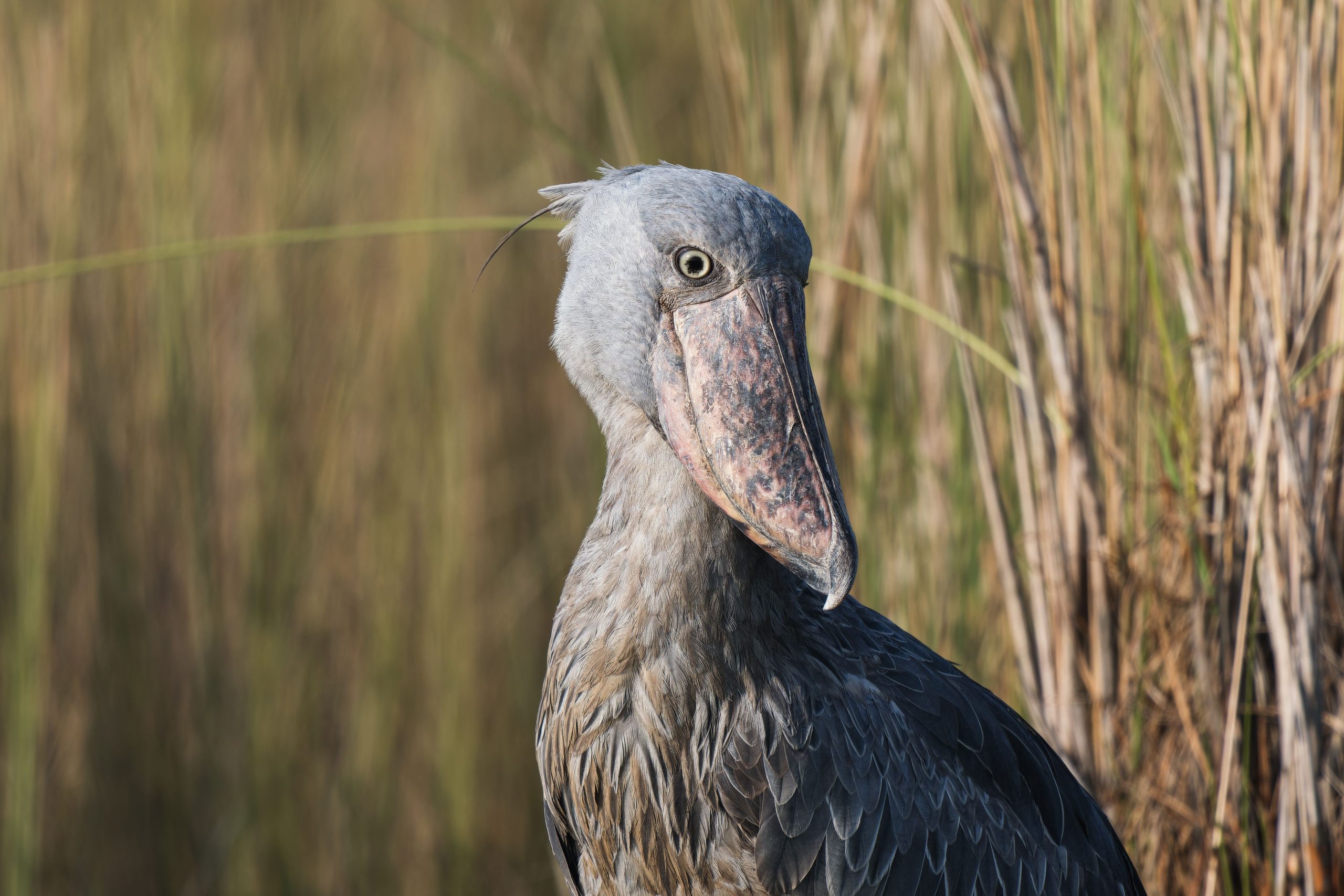
Shoebill Stork Birding in Uganda
Shoebill Stork Birding in Uganda
Shoebill Stork Birding in Uganda: The Ultimate Guide with Turkana Wildlife Safaris
Discover the Legendary Shoebill Stork on an Unforgettable Birding Safari in Uganda
Uganda is one of Africa’s premier birding destinations, boasting more than 1,090 recorded bird species across its diverse ecosystems. Among its most iconic and sought-after birds is the magnificent Shoebill Stork (Balaeniceps rex), a prehistoric-looking giant that attracts birdwatchers, photographers, and wildlife enthusiasts from around the world.
A Shoebill Stork Birding Safari in Uganda offers an extraordinary opportunity to observe this elusive species in its natural wetland habitat while enjoying the country’s rich biodiversity, stunning landscapes, and warm hospitality. With Turkana Wildlife Safaris, travelers can experience expertly guided birding tours to Uganda’s best Shoebill viewing locations, ensuring unforgettable encounters with one of Africa’s rarest birds.
Whether you are an avid birder, wildlife photographer, conservation enthusiast, or first-time safari traveler, Uganda provides some of the best opportunities anywhere in the world to see the remarkable Shoebill.
Why is the Shoebill Stork So Famous?
The Shoebill is one of Africa’s most fascinating birds due to its unique appearance and behavior. Standing between 110 and 140 centimeters (3.6–4.6 feet) tall, it is instantly recognizable by its enormous shoe-shaped bill, piercing eyes, and dinosaur-like stance.
The species is often referred to as the “King of the Swamps” because it inhabits remote freshwater marshes and papyrus wetlands. Shoebills are patient hunters, standing perfectly still for long periods before striking fish, lungfish, frogs, snakes, and even small reptiles with remarkable precision.
Because they are solitary, elusive, and found only in a limited number of African countries, spotting a Shoebill in the wild is considered a lifetime achievement for many birdwatchers.
Best Places to See the Shoebill Stork in Uganda
Uganda is home to several excellent Shoebill habitats, with the following destinations offering the highest chances of successful sightings.
1. Mabamba Swamp
Located on the northern shores of Lake Victoria, Mabamba Swamp is Uganda’s most famous Shoebill destination. The swamp’s extensive papyrus channels provide ideal habitat for the species, and guided canoe excursions allow visitors to search quietly through the wetlands.
Early morning boat trips offer the best opportunities, with many visitors successfully spotting one or more Shoebills during their excursion.
Besides the Shoebill, Mabamba hosts over 300 bird species, including:
- African Jacana
- Malachite Kingfisher
- Blue-breasted Bee-eater
- Papyrus Gonolek
- White-winged Warbler
- African Fish Eagle
2. Murchison Falls National Park
Uganda’s largest national park provides another excellent location for Shoebill sightings. The bird is frequently observed along the Nile Delta, where the Victoria Nile flows into Lake Albert.
Boat cruises through the delta combine spectacular scenery with exceptional birdwatching opportunities.
Other wildlife includes:
- Elephants
- Giraffes
- Lions
- Hippos
- Nile Crocodiles
- Buffaloes
3. Queen Elizabeth National Park
The Kazinga Channel and surrounding wetlands occasionally produce excellent Shoebill sightings.
Although sightings are less predictable than Mabamba, visitors enjoy outstanding bird diversity, with over 600 recorded bird species making the park one of Africa’s richest birding destinations.
4. Semliki Wildlife Reserve
Semliki’s extensive wetlands provide another remote habitat where experienced guides occasionally locate Shoebills.
The reserve also offers exceptional opportunities to observe Central African forest bird species rarely seen elsewhere in East Africa.
Best Time for Shoebill Birding in Uganda
Shoebills can be observed throughout the year, but the best birding conditions generally occur during Uganda’s dry seasons:
- June to September
- December to February
During these months, wetland access is easier, boat excursions are more comfortable, and photography conditions are excellent.
Early morning remains the ideal time for locating Shoebills, as they are most active while hunting.
Bird Species Commonly Seen Alongside the Shoebill
A Shoebill safari offers much more than a single target species. Uganda’s wetlands support extraordinary bird diversity, including:
- African Fish Eagle
- Goliath Heron
- Saddle-billed Stork
- Great Egret
- Black Crake
- Squacco Heron
- Pied Kingfisher
- Giant Kingfisher
- African Openbill
- Grey Crowned Crane
- Yellow-billed Duck
- Long-toed Lapwing
- Hamerkop
- Purple Heron
- White-faced Whistling Duck
Many visitors record more than 100 bird species during a single day of birding.
Wildlife Beyond Birds
Uganda’s wetlands and national parks are also rich in mammals and reptiles. Depending on your itinerary, you may encounter:
- Hippopotamus
- Nile Crocodile
- African Elephant
- Uganda Kob
- Waterbuck
- Bushbuck
- Warthog
- Olive Baboon
- Vervet Monkey
- African Buffalo
Combining birding with traditional wildlife safaris creates an unforgettable African adventure.
Photography Tips for Shoebill Birding
To maximize your photography experience:
- Carry binoculars and a telephoto lens (at least 400mm)
- Wear neutral-colored clothing
- Maintain silence while approaching the bird
- Follow your guide’s instructions
- Bring extra batteries and memory cards
- Visit during early morning for softer lighting
- Use image stabilization when photographing from a canoe
Patience is often rewarded with remarkable close-up images of this iconic bird.
Conservation of the Shoebill
The Shoebill is classified as Vulnerable due to habitat loss, wetland drainage, illegal capture, and human disturbance.
Responsible tourism plays an important role in supporting conservation efforts. By visiting protected wetlands with licensed operators like Turkana Wildlife Safaris, travelers contribute to local communities and conservation initiatives that help preserve critical habitats for future generations.
Why Choose Turkana Wildlife Safaris?
Turkana Wildlife Safaris specializes in expertly guided birding and wildlife tours throughout Uganda and East Africa. With knowledgeable birding guides, customized itineraries, reliable transportation, and carefully selected accommodations, every safari is designed to deliver exceptional wildlife experiences.
Reasons to travel with Turkana Wildlife Safaris include:
- Experienced professional birding guides
- Customized Shoebill birding itineraries
- Comfortable safari vehicles
- Affordable safari packages
- Small group and private tours
- Excellent customer service
- Extensive knowledge of Uganda’s birdlife
- Multi-country birding safaris across East Africa
Whether you are planning a one-day Shoebill excursion or a two-week birding expedition, Turkana Wildlife Safaris ensures an unforgettable adventure.
Frequently Asked Questions (FAQs)
1. Where is the best place to see the Shoebill Stork in Uganda?
Mabamba Swamp, near Entebbe, is widely regarded as the best location due to its high success rate and easy accessibility.
2. What is the best time to see the Shoebill?
The dry seasons from June to September and December to February offer the best birding and photography conditions, although Shoebills can be seen year-round.
3. How long does a Shoebill birding trip take?
Most excursions to Mabamba Swamp last between three and five hours. Multi-day tours often combine Shoebill birding with visits to Uganda’s national parks.
4. Is the Shoebill dangerous?
No. Shoebills are generally shy, solitary birds that avoid humans. Visitors should maintain a respectful distance and follow their guide’s instructions.
5. What should I bring on a Shoebill birding safari?
Essential items include binoculars, a camera with a telephoto lens, comfortable clothing, sunscreen, insect repellent, a hat, drinking water, and sturdy footwear.
6. Can beginners join a Shoebill birding tour?
Yes. Birding tours are suitable for all experience levels, and expert guides help visitors identify birds and understand their behavior.
7. Can I combine Shoebill birding with gorilla trekking?
Absolutely. Many visitors combine Shoebill birding with gorilla trekking, chimpanzee tracking, wildlife safaris, and cultural tours for a complete Uganda experience.
8. How many bird species can I expect to see?
Depending on the location and duration of your safari, it is possible to record between 100 and 350 bird species, especially on longer itineraries.
Conclusion
A Shoebill Stork Birding Safari in Uganda is one of Africa’s most rewarding wildlife experiences. Watching this extraordinary prehistoric-looking bird in the tranquil wetlands of Mabamba Swamp, the Nile Delta, or other protected habitats is a dream come true for birdwatchers and photographers alike.
Beyond the Shoebill, Uganda offers exceptional bird diversity, abundant wildlife, breathtaking landscapes, and warm cultural hospitality, making it one of the continent’s finest destinations for nature enthusiasts.
With Turkana Wildlife Safaris, you can enjoy expertly guided birding adventures tailored to your interests, whether you are seeking a single day Shoebill excursion or a comprehensive birding tour across Uganda. Their experienced guides, personalized service, and commitment to responsible tourism ensure every journey is both memorable and meaningful.
Book your Shoebill Stork Birding Safari with Turkana Wildlife Safaris and discover why Uganda is proudly known as the Pearl of Africa and one of the world’s greatest birding destinations.