
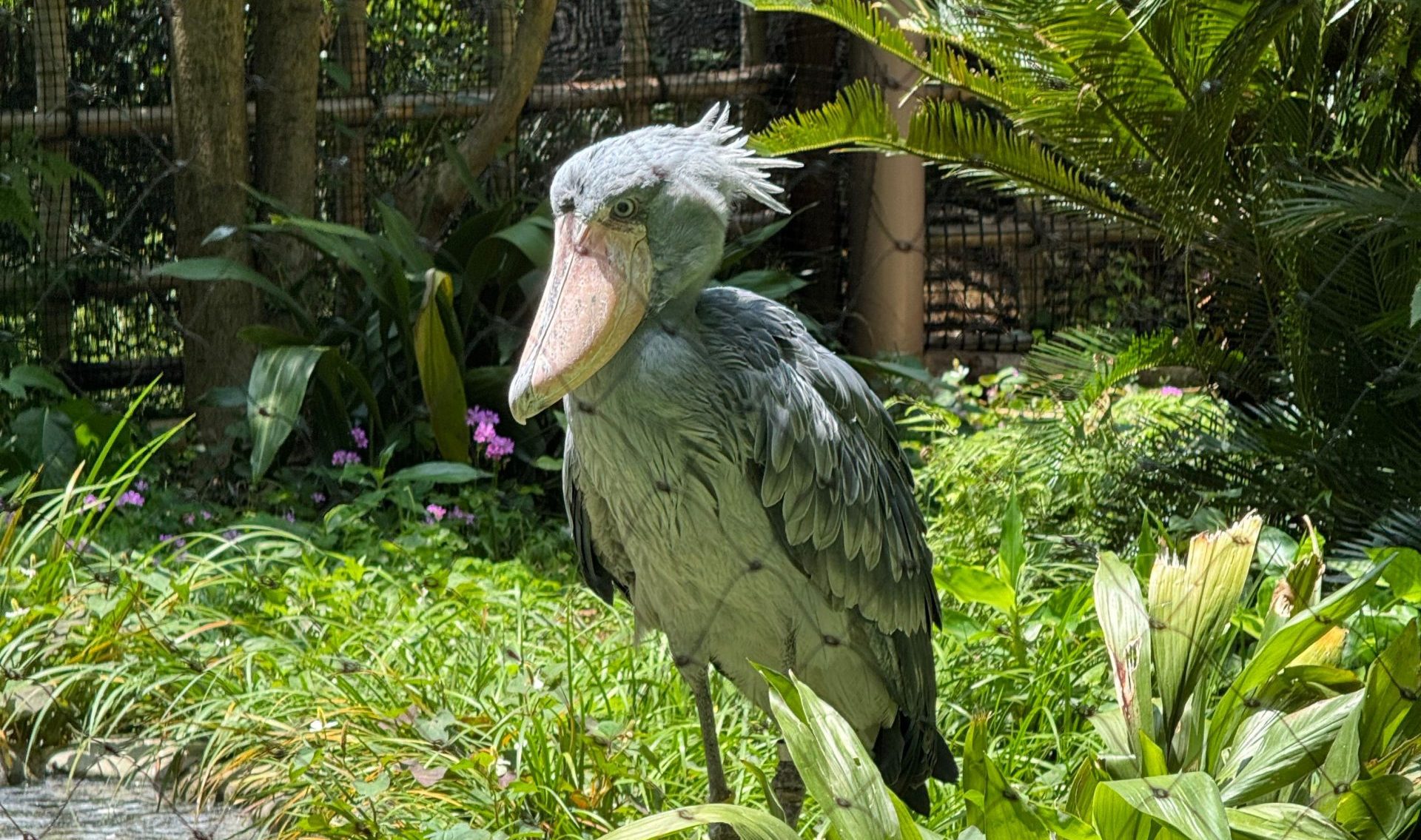
Shoebill Stork Birding Tour in Uganda
Shoebill Stork Birding Tour in Uganda
Shoebill Stork Birding Tour in Uganda: The Ultimate Guide to Spotting Africa’s Most Elusive Bird
Shoebill Stork Birding Tour in Uganda
Uganda is widely recognized as one of Africa’s premier birdwatching destinations, boasting more than 1,090 recorded bird species. Among its most iconic and sought-after birds is the prehistoric-looking Shoebill Stork (Balaeniceps rex), a magnificent species that attracts bird enthusiasts, wildlife photographers, and nature lovers from around the world.
A Shoebill Stork Birding Tour in Uganda offers an unforgettable opportunity to observe one of the world’s rarest birds in its natural wetland habitat. Whether you are an experienced birder or a first-time safari traveler, Uganda provides some of the best locations on Earth to encounter this extraordinary bird.
Turkana Wildlife Safaris Uganda specializes in professionally guided birding safaris that combine exceptional wildlife experiences, expert local guides, comfortable accommodations, and personalized itineraries designed to maximize your chances of seeing the elusive Shoebill.
Why Visit Uganda for a Shoebill Stork Birding Tour?
Uganda is known as the “Pearl of Africa” due to its incredible biodiversity. The country’s wetlands, swamps, lakes, forests, and savannahs provide ideal habitats for numerous bird species.
The Shoebill Stork remains the highlight of many Uganda birding safaris because of its:
- Massive shoe-shaped bill
- Impressive height of up to 1.5 meters
- Calm hunting behavior
- Rare and endangered status
- Excellent photographic opportunities
Uganda offers one of the highest chances of seeing Shoebills in the wild compared to anywhere else in Africa.
Best Places to See Shoebill Storks in Uganda
1. Mabamba Swamp
Located on the northern shores of Lake Victoria, Mabamba Swamp is Uganda’s most famous Shoebill habitat.
Highlights include:
- Canoe birding excursions
- Professional local bird guides
- Easy access from Entebbe
- Over 300 bird species
- Ideal for day trips
Morning excursions provide the highest success rates for Shoebill sightings.
2. Murchison Falls National Park
Murchison Falls National Park offers exceptional opportunities to observe Shoebills along the Nile Delta.
Visitors also enjoy:
- Boat cruises
- Game drives
- Nile crocodiles
- Hippos
- Elephants
- Lions
- Giraffes
- Buffaloes
The combination of wildlife and birding makes this one of Uganda’s best safari destinations.
3. Lugogo Swamp
This less-visited wetland offers quieter birding experiences and is popular among dedicated birdwatchers looking for rare species.
4. Ziwa Rhino Sanctuary
Although famous for rhino tracking, Ziwa Rhino Sanctuary is also an excellent location for spotting Shoebills, especially during guided swamp walks.
What Makes the Shoebill So Special?
The Shoebill Stork is often called the “King of the Swamp.”
Interesting facts include:
- Can stand completely motionless for long periods.
- Hunts lungfish, frogs, snakes, and small reptiles.
- Wingspan reaches over 2.5 meters.
- Lives in freshwater marshes.
- Classified as Vulnerable due to habitat loss and illegal wildlife trade.
Watching a Shoebill silently stalk its prey is one of Africa’s most remarkable wildlife experiences.
Bird Species You May See During the Tour
A Shoebill birding safari offers much more than a single species. Depending on your itinerary, you may encounter:
- African Fish Eagle
- Great Blue Turaco
- Papyrus Gonolek
- Malachite Kingfisher
- Goliath Heron
- African Jacana
- Black Crake
- Giant Kingfisher
- Grey Crowned Crane
- Saddle-billed Stork
- African Openbill
- Pied Kingfisher
- Purple Heron
- Yellow-billed Stork
Uganda’s wetlands are among Africa’s richest bird habitats.
Best Time for Shoebill Birding in Uganda
Birding is possible throughout the year, but the best months include:
June to August
- Dry weather
- Easier canoe access
- Excellent photography conditions
December to February
- Pleasant temperatures
- Lower rainfall
- Active birdlife
The rainy seasons still provide rewarding birdwatching, although access to some wetlands may be more challenging.
What to Pack
Essential items include:
- Binoculars
- DSLR or mirrorless camera
- Telephoto lens
- Waterproof clothing
- Neutral-colored clothing
- Sunscreen
- Hat
- Insect repellent
- Comfortable walking shoes
- Field guide to East African birds
Why Choose Turkana Wildlife Safaris Uganda?
Turkana Wildlife Safaris Uganda provides customized birding tours led by experienced guides with extensive knowledge of Uganda’s birdlife and ecosystems.
Their birding safaris include:
- Customized itineraries
- Professional bird guides
- Comfortable 4×4 safari vehicles
- Airport transfers
- Accommodation booking
- Canoe excursions
- Wildlife safaris
- Gorilla trekking extensions
- Photography-focused tours
Whether you are planning a one-day Shoebill excursion or a multi-day birdwatching expedition across Uganda, Turkana Wildlife Safaris Uganda offers flexible safari packages tailored to your interests. The company operates safaris across Uganda, Rwanda, Kenya, and Tanzania, including birding, wildlife, and gorilla trekking experiences.
Sample 3-Day Shoebill Birding Itinerary
Day 1
- Arrival in Entebbe
- Transfer to hotel
- Evening birding around Lake Victoria
Day 2
- Early morning Mabamba Swamp canoe excursion
- Search for Shoebill Stork
- Afternoon birdwatching
- Return to Entebbe
Day 3
- Optional visit to Ziwa Rhino Sanctuary
- Rhino tracking
- More birdwatching
- Departure
Conservation of the Shoebill
Shoebills face several conservation challenges, including:
- Wetland destruction
- Climate change
- Human encroachment
- Illegal capture for the wildlife trade
Responsible ecotourism helps support wetland conservation and provides income to local communities, encouraging long-term protection of these unique habitats.
Frequently Asked Questions (FAQs)
Is Uganda the best place to see the Shoebill Stork?
Yes. Uganda is considered one of the best destinations in Africa for reliable Shoebill sightings, especially in Mabamba Swamp and Murchison Falls National Park.
What is the best time to see Shoebills?
The dry seasons from June to August and December to February generally provide the best birding conditions.
How difficult is it to spot a Shoebill?
With an experienced guide and an early morning excursion, your chances of seeing a Shoebill are very high in Uganda’s prime birding locations.
How long does a Shoebill birding tour take?
Tours range from half-day excursions to multi-day birdwatching safaris, depending on your interests.
Can beginners enjoy a birding safari?
Absolutely. Birding tours are suitable for both experienced birdwatchers and first-time visitors.
Can the tour be combined with gorilla trekking?
Yes. Many travelers combine Shoebill birding with gorilla trekking, chimpanzee tracking, game drives, and cultural experiences for a complete Ugandan safari.
Conclusion
A Shoebill Stork Birding Tour in Uganda is one of Africa’s most rewarding wildlife experiences. From gliding through the tranquil channels of Mabamba Swamp to exploring the Nile Delta in Murchison Falls National Park, every moment offers the possibility of encountering one of the world’s most extraordinary birds.
Uganda’s incredible biodiversity, welcoming people, and world class birding destinations make it a dream destination for nature enthusiasts. With experienced guides, customized itineraries, and a commitment to exceptional service, Turkana Wildlife Safaris Uganda helps travelers experience the country’s remarkable birdlife while supporting responsible tourism and conservation. Whether your goal is to spot the legendary Shoebill or discover Uganda’s vast array of bird species, this journey promises memories that will last a lifetime.