
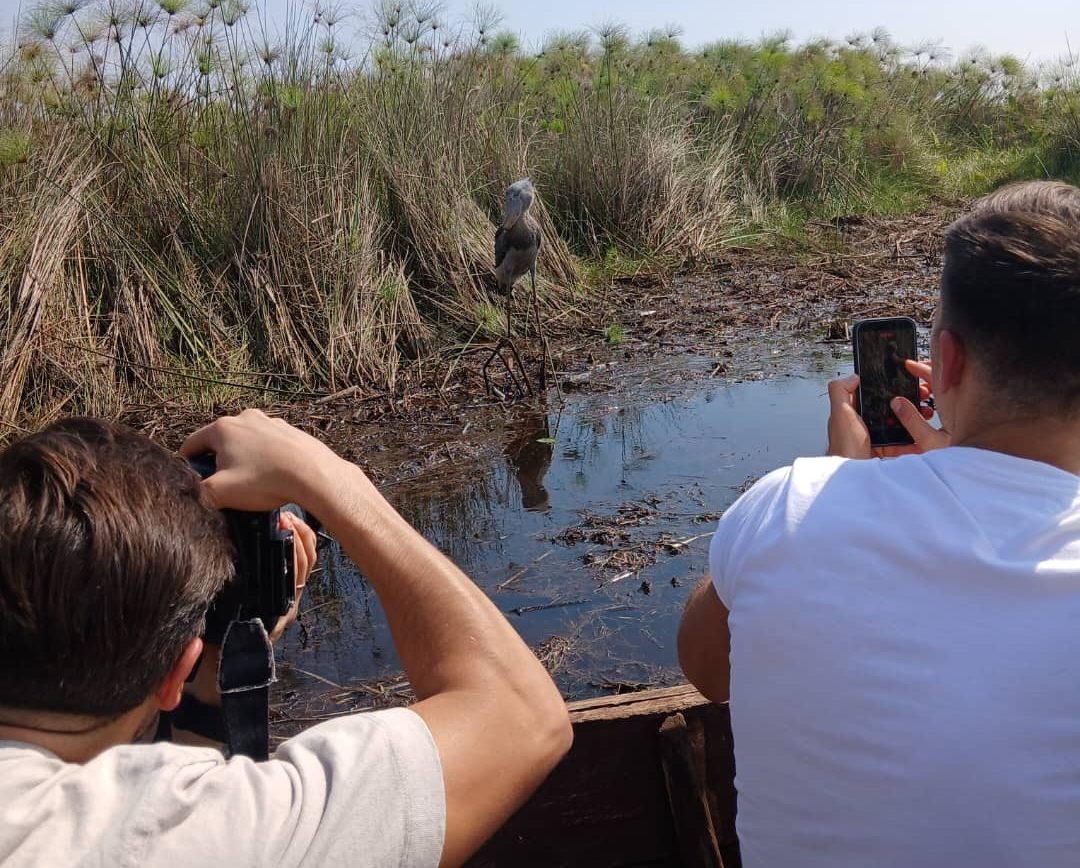
Shoebill Stork Sightings in Uganda
Shoebill Stork Sightings in Uganda
Shoebill Stork Sightings in Uganda: A Complete Guide for Birdwatchers and Eco-Tourists
Introduction
The Shoebill Stork (Balaeniceps rex) is one of the most mysterious and awe-inspiring birds found in the wetlands of Central and East Africa. With its prehistoric appearance, piercing stare, and massive shoe-shaped bill, this elusive bird has captured the imagination of ornithologists, photographers, and eco-tourists alike. Among the few places on Earth where this rare species can be reliably observed, Uganda stands out as a premier destination.
In this comprehensive guide, we delve into everything you need to know about Shoebill Stork sightings in Uganda—from the best locations and times to visit, to conservation efforts, travel tips, and frequently asked questions. Whether you’re a seasoned birdwatcher or a curious traveler.
Why Uganda is the Best Place to See the Shoebill Stork
Uganda, often referred to as the “Pearl of Africa,” boasts a rich tapestry of biodiversity and some of the most pristine wetland ecosystems on the continent. These habitats are ideal for the Shoebill, which thrives in swampy areas with abundant fish and minimal human disturbance.
Key Reasons Uganda is a Shoebill Hotspot:
- Protected Wetlands: Uganda has several Ramsar-designated wetlands, offering safe havens for the Shoebill.
- Stable Populations: Unlike other countries where sightings are rare, Uganda has relatively stable Shoebill populations.
- Eco-Tourism Infrastructure: The country has developed eco-friendly tourism facilities, making it easier for visitors to access Shoebill habitats.
- Expert Local Guides: Trained ornithologists and birding guides enhance the chances of successful sightings.
Top Locations for Shoebill Stork Sightings in Uganda
1. Mabamba Bay Wetland
Arguably the most famous location for Shoebill sightings in Uganda, Mabamba Bay is a Ramsar site located on the northern shores of Lake Victoria.
Highlights:
- Just 1 hour from Kampala or Entebbe
- Canoe-based birding tours through papyrus channels
- High success rate for Shoebill sightings
- Home to over 300 bird species
2. Murchison Falls National Park
This iconic park, known for its dramatic waterfall and diverse wildlife, also offers excellent opportunities to spot the Shoebill in the Nile Delta.
Key Features:
- Boat safaris on the Victoria Nile
- Combination of birding and big game viewing
- Access to the delta where Shoebills nest and feed
3. Ziwa Rhino Sanctuary
While primarily known for rhino tracking, Ziwa also hosts a significant Shoebill population in its swampy areas.
Advantages:
- Guided canoe excursions
- Close proximity to Kampala
- Ideal for a combined wildlife and birding experience
4. Semliki Wildlife Reserve
Located in western Uganda, this lesser-known gem offers remote and tranquil birding experiences.
Why Visit:
- Fewer tourists, more intimate encounters
- Diverse avian life including rare forest species
- Opportunity to explore the Albertine Rift Valley
Best Time to Spot the Shoebill in Uganda
While Shoebills can be seen year-round, certain months offer better visibility and accessibility.
Optimal Viewing Seasons:
- Dry Season (June–August, December–February): Lower water levels make it easier to navigate swamps and spot birds.
- Early Morning Hours (6:00–9:00 AM): Shoebills are most active during this time, often seen hunting lungfish or basking in the morning sun.
What Makes the Shoebill So Fascinating?
The Shoebill is not just another bird—it’s a living relic that seems to have stepped out of the Jurassic era. Its unique features and behaviors make it one of the most intriguing species in the avian world.
Distinctive Characteristics:
- Massive Shoe-Shaped Bill: Used to catch large prey like lungfish, frogs, and even baby crocodiles.
- Statue-like Stillness: Known for standing motionless for hours while stalking prey.
- Low Breeding Rate: Typically lays 1–3 eggs, with only one chick surviving—making conservation crucial.
- Silent Hunter: Unlike other storks, the Shoebill is mostly silent, relying on stealth to catch prey.
Conservation Status and Efforts in Uganda
The Shoebill is classified as Vulnerable by the IUCN due to habitat loss, disturbance, and illegal pet trade. Uganda has taken significant steps to protect this species through community-based conservation and international partnerships.
Conservation Initiatives:
- Wetland Protection Policies: Enforced by the Uganda Wildlife Authority (UWA)
- Community Involvement: Local guides and eco-tourism initiatives provide income and reduce poaching
- Research and Monitoring: Ongoing studies to track population trends and breeding success
- International Support: Collaborations with organizations like BirdLife International and the Ramsar Convention
Tips for a Successful Shoebill Safari in Uganda
To maximize your chances of a memorable Shoebill encounter, consider the following expert tips:
Planning Your Trip:
- Book with a reputable birding tour operator
- Choose early morning excursions
- Wear muted colors to blend into the environment
- Bring quality binoculars and a telephoto camera lens
What to Pack:
- Waterproof boots and lightweight clothing
- Insect repellent and sunscreen
- Field guide to East African birds
- Notebook for observations
Cultural Significance of the Shoebill in Uganda
In local folklore, the Shoebill is often seen as a symbol of patience, mystery, and spiritual connection to the wetlands. Some communities believe that seeing a Shoebill brings good fortune, while others associate it with ancestral spirits.
Eco-Tourism and Its Impact on Shoebill Conservation
Eco-tourism plays a pivotal role in safeguarding the Shoebill’s future. By visiting responsibly and supporting local communities, tourists contribute directly to conservation.
Benefits of Eco-Tourism:
- Generates income for local guides and conservation programs
- Raises awareness about the importance of wetland ecosystems
- Encourages sustainable development and habitat protection
Frequently Asked Questions (FAQ)
1. Where is the best place to see the Shoebill in Uganda?
The top location is Mabamba Bay Wetland, followed by Murchison Falls, Ziwa Rhino Sanctuary, and Semliki Wildlife Reserve.
2. Is it safe to visit Shoebill habitats?
Yes, with guided tours and proper precautions, visiting Shoebill habitats is safe and enriching for tourists.
3. Can I photograph the Shoebill?
Absolutely. Early morning light and a good zoom lens will help you capture stunning images of this majestic bird.
4. How many Shoebills are left in Uganda?
Estimates suggest there are around 300–500 individuals in Uganda, but numbers fluctuate due to environmental and human factors.
5. What other birds can I see during a Shoebill safari?
You can spot a variety of species including:
- African Jacana
- Papyrus Gonolek
- Malachite Kingfisher
- Goliath Heron
- African Fish Eagle
Final Thoughts: Why You Should Add the Shoebill to Your Bucket List
The Shoebill Stork is more than just a rare bird—it’s a symbol of the wild, untamed beauty of Uganda’s wetlands. Witnessing this enigmatic creature in its natural habitat is a transformative experience that combines adventure, education, and conservation. Whether you’re a birding enthusiast or a nature lover, a Shoebill safari in Uganda is a journey into one of the last strongholds of true wilderness.