
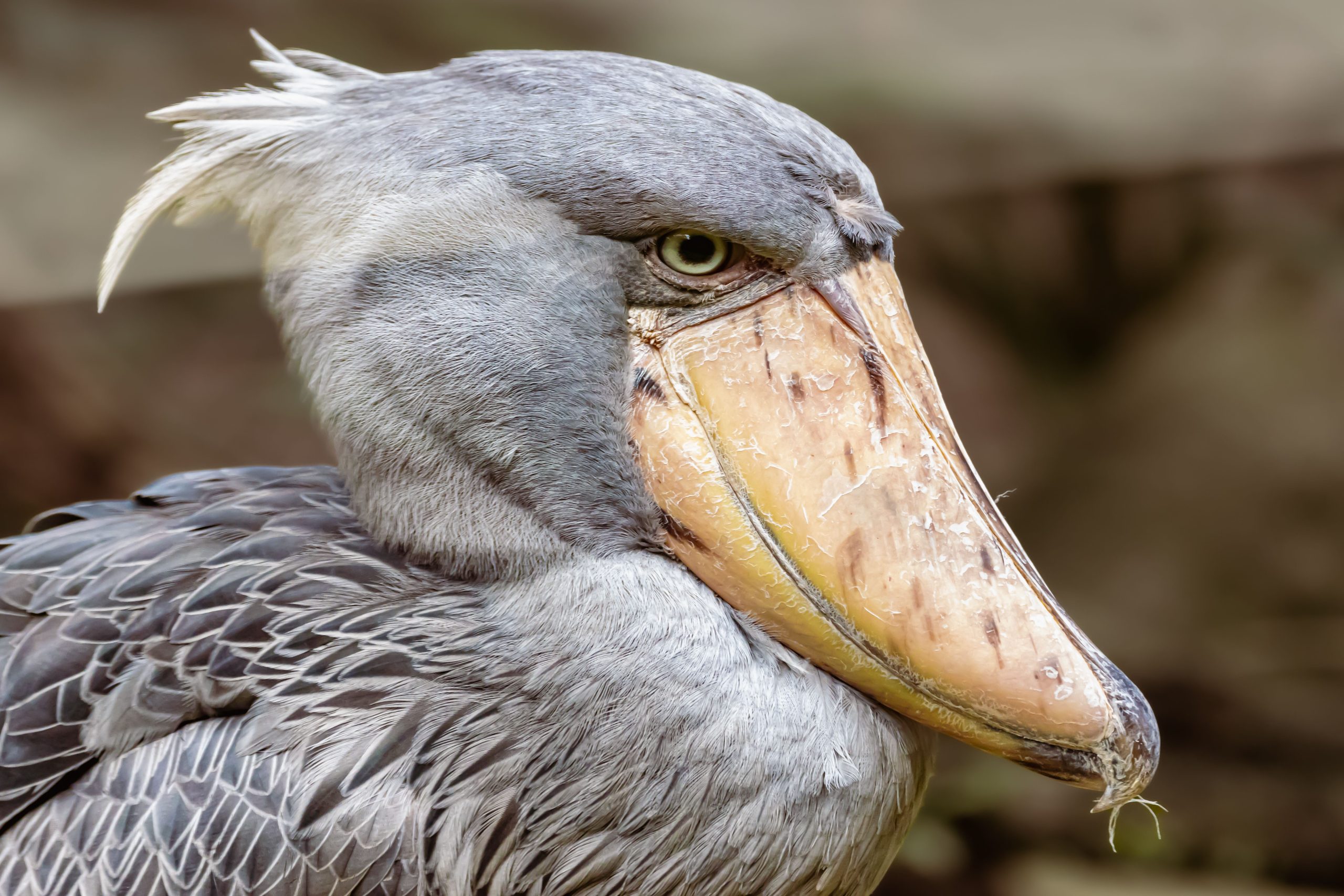
Shoebill Stork Tour Safaris Uganda
Shoebill Stork Tour Safaris Uganda
Shoebill Stork Tour Safaris in Uganda
Experience Uganda’s Most Iconic Birding Adventure with Turkana Wildlife Safaris Uganda
Uganda is one of the best places on Earth to see the legendary shoebill stork (Balaeniceps rex) a prehistoric-looking bird often called the “statue bird” because of its motionless hunting style. The most reliable and popular location for sightings is Mabamba Swamp on Lake Victoria, a Ramsar-protected wetland near Entebbe and Kampala.
A Shoebill Stork Safari is not just birdwatching, it’s a peaceful canoe journey through papyrus channels, guided by local experts, where every bend in the swamp brings the possibility of seeing one of Africa’s rarest birds.
With Turkana Wildlife Safaris Uganda, travelers experience expertly guided shoebill tracking combined with Uganda’s rich wetland biodiversity, cultural encounters, and optional extensions to national parks.
Where to See the Shoebill Stork in Uganda
1. Mabamba Swamp (Best Location)


Why it’s special:
- Highest shoebill sighting success rate in Uganda
- Traditional canoe birding experience
- Calm, scenic, and photographer-friendly waterways
- Ideal for half-day or full-day safari trips
This is the flagship destination for most shoebill tours organized by Turkana Wildlife Safaris Uganda.
2. Murchison Falls National Park (Nile Delta)


Highlights:
- Combine shoebills with big game safaris
- Boat cruises along the Nile
- Rich wetland biodiversity
3. Other Shoebill Habitats
Shoebills can also be spotted in:
- Lake Mburo wetlands
- Queen Elizabeth National Park (Ishasha wetlands)
- Semliki Valley swamps
- Ziwa Rhino Sanctuary wetlands
Shoebill Stork Safari Experience
Canoe Tracking Adventure

- Early morning departure (best bird activity time)
- Wooden canoe navigation through narrow papyrus channels
- Local guide spotting techniques (listening + scanning reeds)
- Patient tracking of feeding shoebills
The shoebill is a “stand-still hunter,” often freezing for long periods before striking fish like lungfish or tilapia.
Best Time to Visit Shoebill Stork Uganda
- Best months: June–September & December–February
- Best time of day: Early morning (6:00–10:00 AM)
- Why: Cooler temperatures and active feeding behavior
Uganda is a year-round birding destination, but visibility improves during dry seasons when waterways are easier to navigate.
What Makes Shoebill Safaris Special
- Rare prehistoric bird seen in only a few African countries
- Quiet, immersive wetland ecosystem
- High photographic opportunities
- Community-guided conservation tourism
- Combine easily with gorilla trekking or wildlife safaris
Shoebill Stork Tour Packages by Turkana Wildlife Safaris Uganda
Turkana Wildlife Safaris Uganda offers customized shoebill experiences such as:
- Half-day Mabamba swamp birding tours
- Full-day Lake Victoria birding safaris
- Shoebill + Entebbe city excursions
- Multi-day Uganda wildlife & birding circuits
The company focuses on:
- Experienced birding guides
- Safe canoe tracking
- Eco-friendly tourism practices
- Tailor-made safari itineraries
Frequently Asked Questions (FAQs)
1. Where can I see the shoebill stork in Uganda?
The best place is Mabamba Swamp near Entebbe, followed by Murchison Falls National Park (Nile Delta).
2. How rare is the shoebill stork?
It is classified as a vulnerable species with a small global population, making sightings a special experience.
3. How long does a shoebill safari take?
Mabamba tours usually take 4–6 hours (half-day), while full birding safaris can last a full day.
4. Is it guaranteed to see a shoebill?
No wildlife sighting is 100% guaranteed, but Mabamba Swamp offers one of the highest success rates in Africa.
5. What should I bring?
- Binoculars
- Camera with zoom lens
- Light rain jacket
- Waterproof bag
- Comfortable outdoor shoes
6. Is the canoe safari safe?
Yes. Guided canoe trips are safe and led by experienced local bird guides.
7. Can I combine shoebill tracking with other safaris?
Yes, many travelers combine it with:
- Gorilla trekking in Bwindi
- Chimpanzee tracking in Kibale
- Wildlife safaris in Queen Elizabeth NP
Conclusion
A Shoebill Stork Tour Safari in Uganda is one of the most unique birding experiences in Africa. From the quiet papyrus channels of Mabamba Swamp to the vast wetlands of the Nile Delta, this journey offers a rare glimpse into one of nature’s most mysterious birds.
With expert guiding and well-planned itineraries from Turkana Wildlife Safaris Uganda, travelers can enjoy a seamless blend of adventure, conservation, and photography. Whether you are a serious birder or a curious traveler, the shoebill safari delivers a truly unforgettable encounter with Uganda’s wild wetlands.
If there is one birding experience that defines Uganda, it is meeting the shoebill in its natural home.