
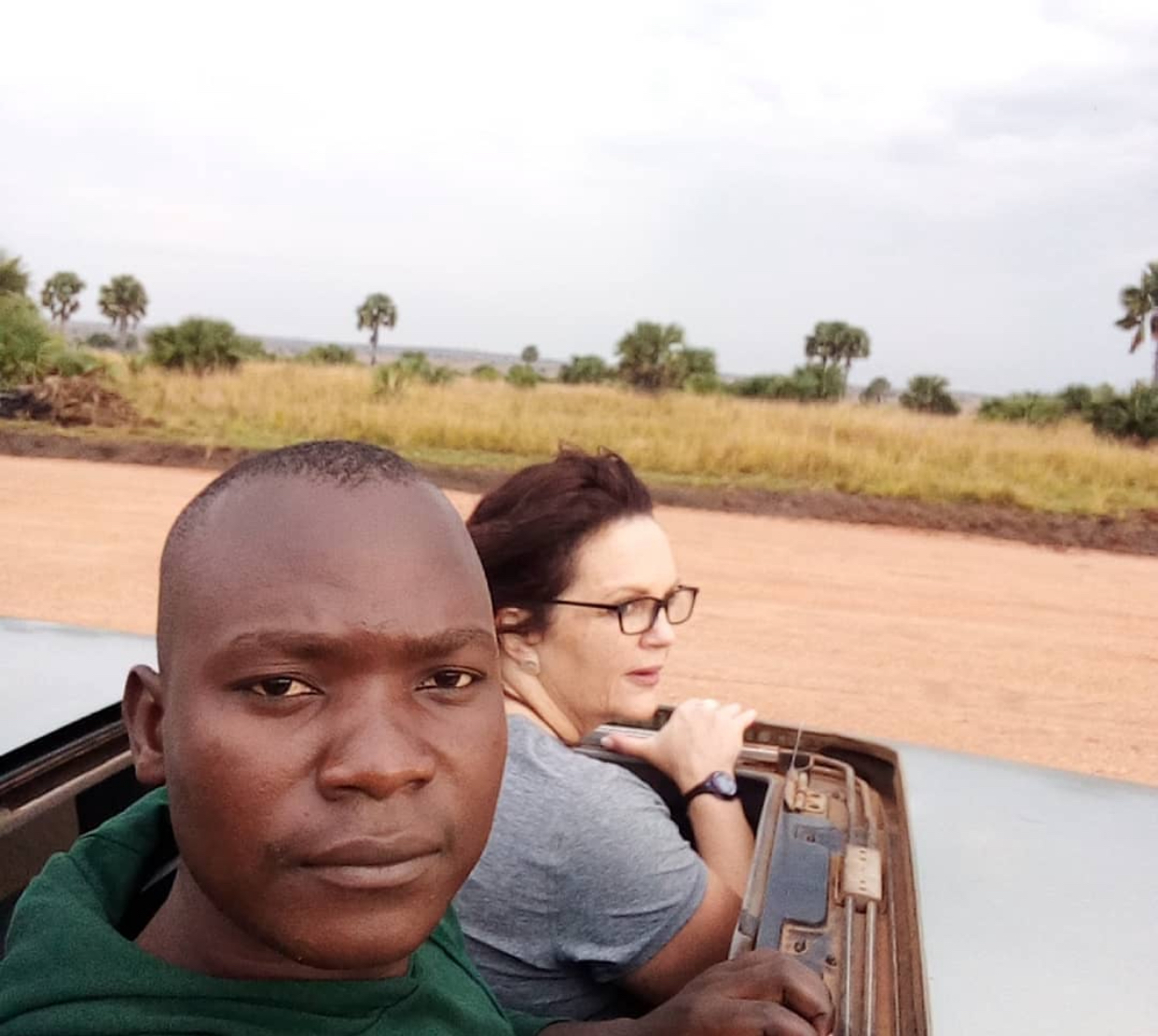
solo travel language tips Uganda
solo travel language tips Uganda
Solo Travel Language Tips: Unlocking the Rich Cultural Experience of Uganda
Introduction
Uganda, known as the “Pearl of Africa,” is a captivating destination for solo travelers seeking adventure, wildlife encounters, and cultural immersion. As you embark on your solo journey to this beautiful East African country, one of the key aspects to consider is language. While English is widely spoken in Uganda, learning a few local phrases can greatly enhance your travel experience and foster meaningful connections with the local people. In this article, we will explore some essential language tips for solo travelers in Uganda, allowing you to navigate the country with confidence and engage with the vibrant Ugandan culture.
1. Greetings and Basic Phrases
Greetings:
When interacting with locals in Uganda, it’s important to start with a warm greeting. The most common greeting in Uganda is “Oli otya?” which means “How are you?” in the Luganda language. Respond with “Bulungi” to say “I’m fine.” Other common greetings include “Apwoyo” (thank you) and “Webale” (welcome).
Basic Phrases:
Learning a few basic phrases can go a long way in Uganda. Here are some essential phrases to get you started:
- “Oli otya?” – How are you?
- “Ndi mukazi/muganda” – I am a woman/man from Uganda.
- “Ninze” – My name is…
- “Otya” – What’s your name?
- “Gyendi” – I am going.
- “Nkubira” – Please give me…
- “Webale” – Thank you.
- “Oli wa?” – Where are you from?
2. Language Diversity in Uganda
Uganda is a linguistically diverse country with over 40 different languages spoken across its regions. While English is the official language, it’s important to note that not all Ugandans speak fluent English, especially in rural areas. Therefore, learning a few phrases in the local languages can help you connect with people on a deeper level and show your respect for their culture.
Key Local Languages:
- Luganda: Widely spoken in the central region, including Kampala, the capital city.
- Swahili: Commonly spoken in urban areas and serves as a lingua franca in East Africa.
- Runyankole-Rukiga: Spoken in the southwestern part of Uganda.
- Acholi: Spoken in the northern region of Uganda.
- Lusoga: Spoken in the eastern region, including Jinja, the source of the Nile.
3. Engaging with the Locals
Be Polite and Respectful:
When interacting with locals, it’s important to be polite and respectful. Ugandans appreciate visitors who make an effort to learn their language and culture. Use greetings and basic phrases, and always remember to say “thank you” (webale) and “please” (kubire) when making requests.
Learn Local Customs:
Understanding and respecting local customs is crucial when engaging with Ugandans. For example, it’s customary to remove your shoes before entering someone’s home or a place of worship. Learning these cultural norms will not only show your respect but also help you integrate into the local community.
Embrace Non-Verbal Communication:
In addition to spoken language, non-verbal communication plays a significant role in Ugandan culture. Handshakes are common when greeting someone, and it’s polite to use your right hand. Maintaining eye contact during conversations is also seen as a sign of respect and attentiveness.
4. Language Learning Resources
Language Apps:
There are several language learning apps that can help you master basic phrases in Ugandan languages. Some popular apps include Duolingo, Memrise, and Babbel. These apps offer interactive lessons and quizzes to enhance your language skills on the go.
Language Classes:
If you prefer a more structured approach, consider enrolling in language classes. Many language schools and cultural centers in Uganda offer courses in Luganda, Swahili, and other local languages. These classes provide an immersive learning experience and give you the opportunity to practice with native speakers.
Language Phrasebooks:
Carrying a language phrasebook can be a handy resource during your solo travels. Look for phrasebooks that include translations, pronunciation guides, and cultural tips. Lonely Planet and Rough Guides offer comprehensive phrasebooks that cover multiple Ugandan languages.
5. Frequently Asked Questions (FAQ)
Q1: Is English widely spoken in Uganda?
A1: Yes, English is widely spoken in Uganda, especially in urban areas and tourist destinations. However, learning some basic phrases in the local languages can enhance your cultural experience.
Q2: Which local language should I learn?
A2: Luganda and Swahiliare the most commonly spoken languages in Uganda. Learning either of these languages will greatly benefit your interactions with the locals.
Q3: Are there any language barriers in rural areas?
A3: In rural areas, English proficiency may be limited. It is advisable to learn basic phrases in the local languages spoken in the specific region you plan to visit.
Q4: How can I practice speaking the local languages?
A4: Engaging in conversations with locals, joining language exchange groups, and attending cultural events are great ways to practice speaking the local languages.
Q5: Are there any cultural taboos I should be aware of?
A5: Yes, it is important to be aware of cultural taboos in Uganda. For example, it is considered disrespectful to point with your finger, especially at someone older or of higher status. It is best to use an open hand or gesture with your chin.
Conclusion
As a solo traveler in Uganda, learning the local languages will not only enhance your travel experience but also allow you to connect with the rich cultural heritage of the country. By mastering basic greetings and phrases, respecting local customs, and embracing non-verbal communication, you will be able to navigate Uganda with confidence and create meaningful connections with the friendly Ugandan people. So, pack your bags, learn a few phrases, and get ready to embark on an unforgettable solo adventure in the “Pearl of Africa.