
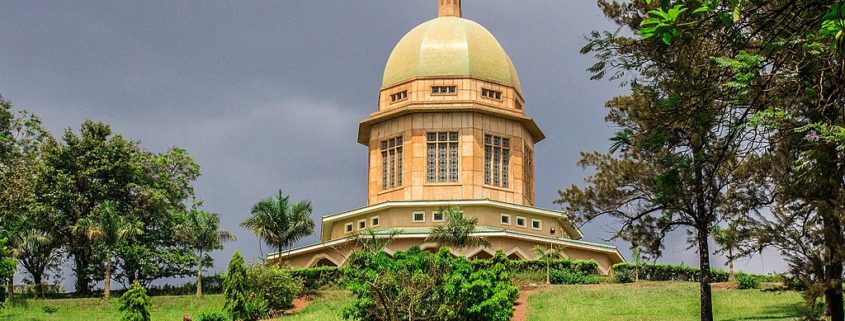
Temples of Uganda
Temples of Uganda
Exploring the Temples of Uganda: A Journey Through Spiritual and Cultural Heritage
Uganda, often referred to as the “Pearl of Africa,” is known for its breathtaking landscapes, diverse wildlife, and rich cultural heritage. Among the many facets of this East African nation’s cultural identity are its temples, which serve as places of worship, community gathering, and historical significance. While Uganda is predominantly Christian, with Islam and indigenous beliefs also widely practiced, the country is home to a number of temples that reflect its multicultural and multi-religious fabric.
In this article, we will explore the temples of Uganda, delving into their historical, spiritual, and cultural importance. We will also discuss how these sacred spaces contribute to the nation’s identity and offer a glimpse into the diverse religious practices that coexist in Uganda.
A Brief Overview of Religion in Uganda
Uganda’s religious landscape is diverse, with Christianity being the dominant faith, followed by Islam and indigenous African religions. However, the presence of temples in Uganda highlights the country’s openness to various forms of spirituality, including Hinduism, Buddhism, and other Eastern religions. These temples serve as sanctuaries for worship and meditation, as well as cultural hubs for the communities that built them.
The Role of Temples in Ugandan Society
Temples in Uganda are not just places of worship; they are also centers for cultural preservation, education, and social welfare. Many temples host events, festivals, and charitable activities that benefit both the local and wider communities. They are also a testament to the religious tolerance that exists in Uganda, where people of different faiths live and worship peacefully side by side.
Notable Temples in Uganda
Uganda is home to a number of significant temples, each with its own unique history and architectural style. Below, we highlight some of the most notable temples in the country.
1. Sri Radha Krishna Temple, Kampala
Located in the heart of Kampala, the Sri Radha Krishna Temple is one of the most prominent Hindu temples in Uganda. It serves as a spiritual center for the Hindu community in Kampala and is dedicated to Lord Krishna and Radha. The temple is known for its vibrant festivals, especially Janmashtami, which celebrates the birth of Lord Krishna.
The temple also plays a vital role in the community by offering educational programs, yoga classes, and charitable services. Its serene environment makes it a popular destination for both worshippers and tourists interested in learning about Hindu culture in Uganda.
2. Baha’i House of Worship, Kampala
The Baha’i House of Worship, also known as the Baha’i Temple, is one of the most iconic religious structures in Uganda. Located on Kikaya Hill on the outskirts of Kampala, it is the only Baha’i temple on the African continent. The temple is open to people of all faiths and is a symbol of unity and peace.
The Baha’i faith emphasizes the oneness of humanity, and this temple serves as a place for meditation, prayer, and reflection. The temple’s stunning architecture and beautifully landscaped gardens make it a must-visit for anyone interested in Uganda’s religious and cultural diversity.
3. Shree Sanatan Hindu Union Temple, Jinja
Jinja, a town located near the source of the Nile River, is home to the Shree Sanatan Hindu Union Temple. This temple is a focal point for the Hindu community in Jinja and is dedicated to various Hindu deities. The temple is known for its intricate carvings and colorful architecture, which reflect traditional Indian temple design.
The temple also plays a significant role in the local community, hosting religious festivals, cultural events, and charitable activities. It is a place where the Hindu community in Jinja can come together to celebrate their faith and heritage.
4. Sri Sathya Sai Baba Centre, Kampala
The Sri Sathya Sai Baba Centre in Kampala is another important spiritual hub for the Hindu community in Uganda. Dedicated to the teachings of Sri Sathya Sai Baba, the center promotes the values of love, peace, and selfless service. It offers a range of spiritual and educational programs, including meditation sessions, study circles, and community service initiatives.
The center is open to people of all faiths and encourages the practice of universal love and compassion. It is a place where individuals can come to deepen their spiritual understanding and contribute to the well-being of society.
5. Watoto Church, Kampala
While not a traditional temple, Watoto Church in Kampala is one of the largest and most influential Christian churches in Uganda. The church has multiple campuses across the country and is known for its dynamic worship services, community outreach programs, and social impact initiatives.
Watoto Church plays a significant role in Uganda’s religious landscape, offering a wide range of services, including education, healthcare, and support for vulnerable children and families. Its emphasis on community development and social justice makes it a key player in Uganda’s efforts to address poverty and inequality.
The Cultural Significance of Temples in Uganda
Temples in Uganda are more than just places of worship; they are cultural landmarks that reflect the country’s rich history and diverse population. These sacred spaces serve as a bridge between Uganda’s past and present, offering insight into the various religious traditions that have shaped the nation.
Preservation of Heritage
Many of the temples in Uganda were built by immigrant communities, particularly from India, who brought their religious and cultural traditions with them. These temples serve as a way for these communities to preserve their heritage and pass it on to future generations. They also offer a space for cultural exchange, where people from different backgrounds can learn about and appreciate each other’s traditions.
Promoting Interfaith Dialogue
Uganda is known for its religious tolerance, and temples play a crucial role in promoting interfaith dialogue and understanding. Many temples in Uganda are open to people of all faiths, offering a space for reflection and meditation regardless of religious affiliation. This openness fosters a sense of unity and respect among Uganda’s diverse religious communities.
Festivals and Celebrations
Temples in Uganda are often the center of vibrant festivals and celebrations that bring communities together. These events are not only religious in nature but also serve as a way to strengthen social bonds and promote cultural understanding. Festivals such as Diwali, Eid, and Christmas are celebrated with great enthusiasm, reflecting Uganda’s multicultural and multi-religious identity.
Temples as Tourist Attractions
In addition to their religious and cultural significance, temples in Uganda are also popular tourist attractions. Visitors from around the world come to Uganda to experience its natural beauty, wildlife, and cultural heritage, and temples are an integral part of this experience.
Architectural Marvels
Many of Uganda’s temples are architectural masterpieces, featuring intricate carvings, colorful murals, and stunning designs that reflect the artistic traditions of the communities that built them. These temples are a testament to the craftsmanship and creativity of their builders and offer a unique glimpse into the architectural styles of different cultures.
Spiritual Tourism
Uganda is increasingly becoming a destination for spiritual tourism, with visitors seeking out places of worship and meditation to deepen their spiritual practice. Temples in Uganda offer a peaceful and serene environment for meditation, prayer, and reflection, making them ideal destinations for those looking to connect with their spiritual side.
FAQ About Temples in Uganda
1. What are the most famous temples in Uganda?
Some of the most famous temples in Uganda include the Sri Radha Krishna Temple in Kampala, the Baha’i House of Worship, and the Shree Sanatan Hindu Union Temple in Jinja. These temples are known for their religious significance, architectural beauty, and cultural importance.
2. Are temples in Uganda open to tourists?
Yes, many temples in Uganda are open to tourists. Visitors are welcome to explore the temples, learn about their history and significance, and participate in religious ceremonies and festivals. However, it is important to be respectful of the customs and practices of each temple.
3. What is the role of temples in Ugandan society?
Temples in Uganda serve as places of worship, cultural preservation, and community gathering. They play a crucial role in promoting interfaith dialogue, preserving cultural heritage, and offering social services to the community.
4. What festivals are celebrated in Ugandan temples?
Temples in Uganda celebrate a variety of festivals, including Diwali, Janmashtami, Eid, and Christmas. These festivals are celebrated with great enthusiasm and are an important part of the cultural and religious life of the communities that worship at these temples.
5. How do temples contribute to Uganda’s cultural diversity?
Temples in Uganda reflect the country’s multicultural and multi-religious identity. They serve as a space for cultural exchange, where people from different backgrounds can learn about and appreciate each other’s traditions. Temples also play a key role in preserving the cultural heritage of immigrant communities.
Conclusion
The temples of Uganda are a testament to the country’s rich cultural and religious diversity. These sacred spaces not only serve as places of worship but also as cultural landmarks that reflect Uganda’s history and identity. Whether you are a spiritual seeker, a cultural enthusiast, or a tourist, Uganda’s temples offer a unique and enriching experience that showcases the beauty of the nation’s religious and cultural heritage.
By exploring these temples, one can gain a deeper understanding of Uganda’s diverse religious landscape and the role that these sacred spaces play in promoting unity, peace, and cultural preservation.