
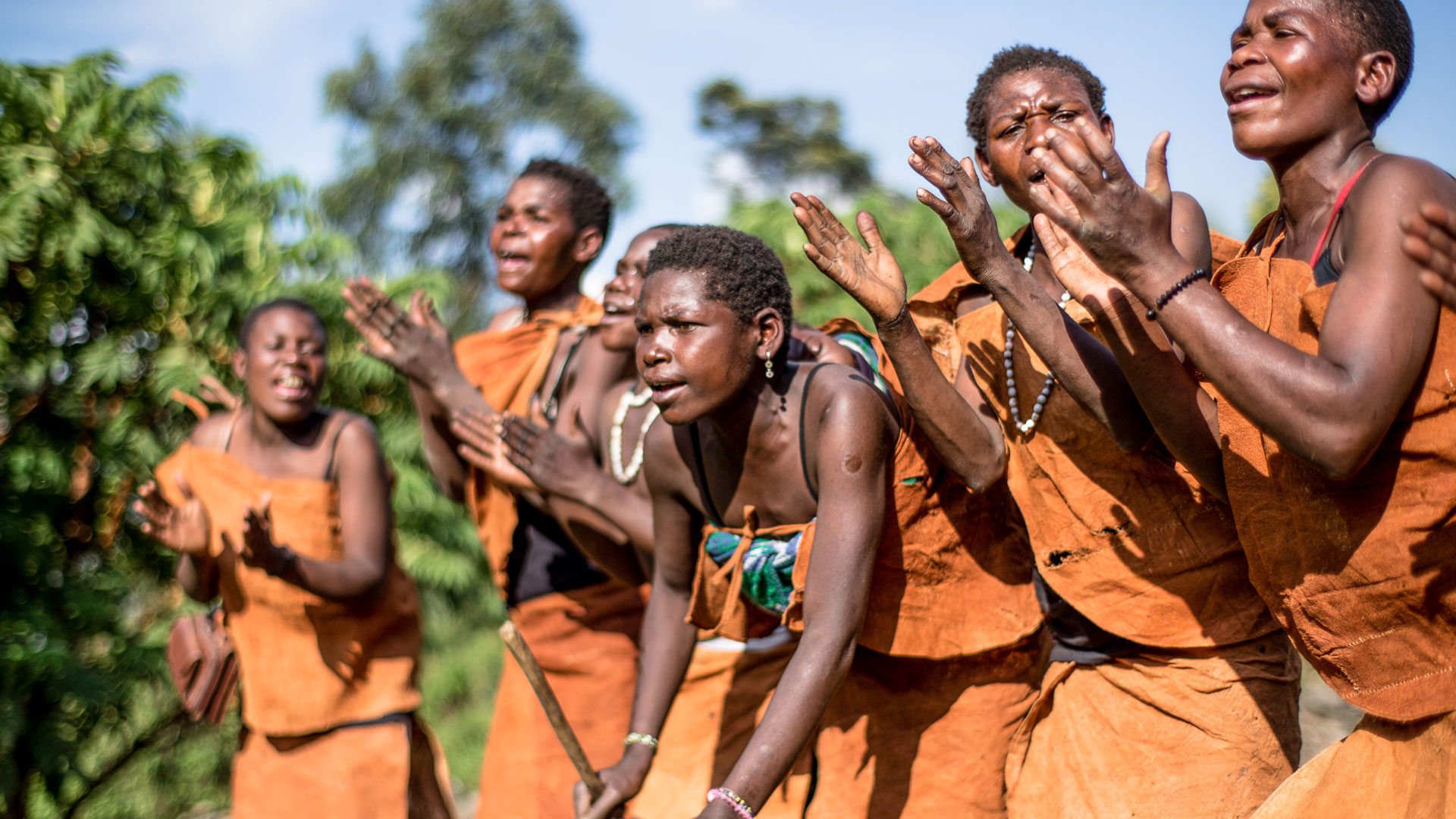
The Pygmy Batwa
The Pygmy Batwa
The Pygmy Batwa: Guardians of the Forest and Keepers of Ancient Wisdom
Introduction
Deep within the dense rainforests of Central Africa lives one of the most ancient and marginalized indigenous communities on Earth—the Pygmy Batwa. Often referred to as the “forest people,” the Batwa have lived in harmony with nature for thousands of years, preserving a unique cultural identity, spiritual connection to the land, and ecological knowledge that predates modern civilization.
This comprehensive article explores the rich history, cultural heritage, socio-political struggles, and future of the Batwa people. It is designed not only to inform but also to raise awareness about the urgent need to protect their rights and preserve their way of life.
Who Are the Batwa?
The Batwa, also known as the Twa, are one of the oldest surviving indigenous groups in Africa. Traditionally, they are hunter-gatherers who have lived in the equatorial forests of countries like:
They are part of a larger group of indigenous peoples often collectively referred to as Pygmies, a term that has been criticized for its colonial undertones but still widely used in anthropological literature.
Distinctive Features of the Batwa
- Short stature: A genetic adaptation to forest life
- Oral traditions: Rich in myths, songs, and spiritual beliefs
- Animistic spirituality: Deep reverence for the forest and its spirits
- Nomadic lifestyle: Traditionally moved with the seasons and availability of resources
Historical Background
The Batwa are believed to have inhabited the forests of Central Africa for over 60,000 years, making them one of the oldest continuous cultures in the world. Their presence predates the Bantu migrations and the formation of modern African states.
Displacement and Marginalization
With the rise of agriculture and later colonialism, the Batwa were gradually pushed out of their ancestral lands. The most devastating blow came in the 20th century when conservation efforts led to the creation of national parks, such as:
These parks were established to protect endangered species like the mountain gorilla, but in doing so, they forcibly evicted the Batwa from their homes without compensation or resettlement plans.
Culture and Traditions
Despite displacement, the Batwa have managed to preserve many aspects of their culture. Their traditions are intricately tied to the forest, which they consider sacred.
Language and Oral History
The Batwa speak various dialects, often influenced by neighboring Bantu languages. However, their oral storytelling is a cornerstone of cultural transmission.
Key Elements of Batwa Oral Culture:
- Folktales about forest spirits and ancestors
- Songs and dances performed during rituals
- Proverbs that teach moral and ecological lessons
Spiritual Beliefs
The Batwa practice animism, believing that all elements of nature—trees, rivers, animals—are inhabited by spirits. Rituals are performed to honor these spirits, especially during:
- Hunting expeditions
- Birth and death ceremonies
- Seasonal changes
Economic Activities
Traditionally, the Batwa relied on:
- Hunting small game using bows and arrows
- Gathering wild fruits, honey, and medicinal plants
- Fishing in forest streams
However, displacement has forced many into subsistence farming, casual labor, or begging on the fringes of society.
Modern Challenges
- Loss of land and access to natural resources
- Lack of education and healthcare
- Discrimination from dominant ethnic groups
- Poverty and malnutrition
The Batwa and Conservation
Ironically, the Batwa—who lived sustainably in the forest for millennia—have been labeled as threats to conservation. In reality, their traditional ecological knowledge (TEK) is invaluable for modern conservation efforts.
Contributions to Biodiversity
- Sustainable hunting practices
- Knowledge of medicinal plants
- Forest fire prevention techniques
Organizations like Survival International and Forest Peoples Programme advocate for the inclusion of indigenous voices in conservation policy.
Legal and Human Rights
The Batwa have been the subject of numerous human rights violations, including:
- Forced evictions
- Denial of citizenship
- Lack of political representation
Legal Milestones
- In 2011, the Ugandan High Court ruled in favor of the Batwa, recognizing their right to ancestral land.
- The African Commission on Human and Peoples’ Rights has also issued statements supporting indigenous land rights.
Education and Empowerment
Education is a powerful tool for the Batwa to reclaim their rights and improve their living conditions. However, access remains limited due to:
- Geographic isolation
- Language barriers
- Economic hardship
Ongoing Initiatives
- Community schools sponsored by NGOs
- Adult literacy programs
- Scholarships for Batwa youth
Health and Wellbeing
The Batwa suffer from some of the worst health indicators in the region. Common issues include:
- High infant mortality
- Malnutrition
- Lack of access to clean water
Traditional medicine plays a vital role, but integration with modern healthcare is essential.
The Future of the Batwa
The survival of the Batwa culture depends on a multi-pronged approach:
What Needs to Be Done
- Land restitution: Return or compensate for ancestral lands
- Legal recognition: As indigenous peoples with specific rights
- Cultural preservation: Support for language and traditions
- Economic empowerment: Sustainable livelihoods and education
Frequently Asked Questions (FAQ)
1. Who are the Batwa people?
The Batwa are an indigenous group from Central Africa, traditionally forest dwellers and hunter-gatherers. They are among the oldest known cultures on Earth.
2. Why were the Batwa evicted from their land?
They were removed mainly due to the creation of national parks for wildlife conservation, such as Bwindi, without being consulted or compensated.
3. What challenges do the Batwa face today?
The Batwa face poverty, discrimination, lack of access to education and healthcare, and legal invisibility in many countries.
4. How can we help the Batwa?
Support organizations like Survival International and Forest Peoples Programme, advocate for indigenous rights, and raise awareness about their plight.
5. Are there any success stories among the Batwa?
Yes, some Batwa communities have started eco-tourism projects, cultural centers, and advocacy groups to reclaim their heritage and improve their livelihoods.
Conclusion
The story of the Batwa is one of resilience, wisdom, and injustice. As the world grapples with climate change and biodiversity loss, the knowledge and traditions of indigenous peoples like the Batwa are more relevant than ever.
Recognizing their rights is not just a moral obligation—it’s a step toward a more sustainable and inclusive future.