
The Shoebill Stork Experience
The Shoebill Stork Experience
The Shoebill Stork Experience: Encountering Africa’s Most Enigmatic Bird
Introduction: A Glimpse into the Mystique of the Shoebill
In the heart of Africa’s wetlands, where papyrus swamps whisper secrets of ancient times, lives a bird so rare and otherworldly that it seems plucked from the pages of a fantasy novel—the Shoebill Stork. With its massive shoe-shaped bill, piercing gaze, and statuesque stillness, the shoebill is more than just a bird—it’s an experience. This article takes you deep into the shoebill’s world, offering a comprehensive guide to encountering this majestic creature in its natural habitat, primarily through the curated experiences of Turkana Wildlife Safaris.
What Is the Shoebill Stork?
A Prehistoric Marvel
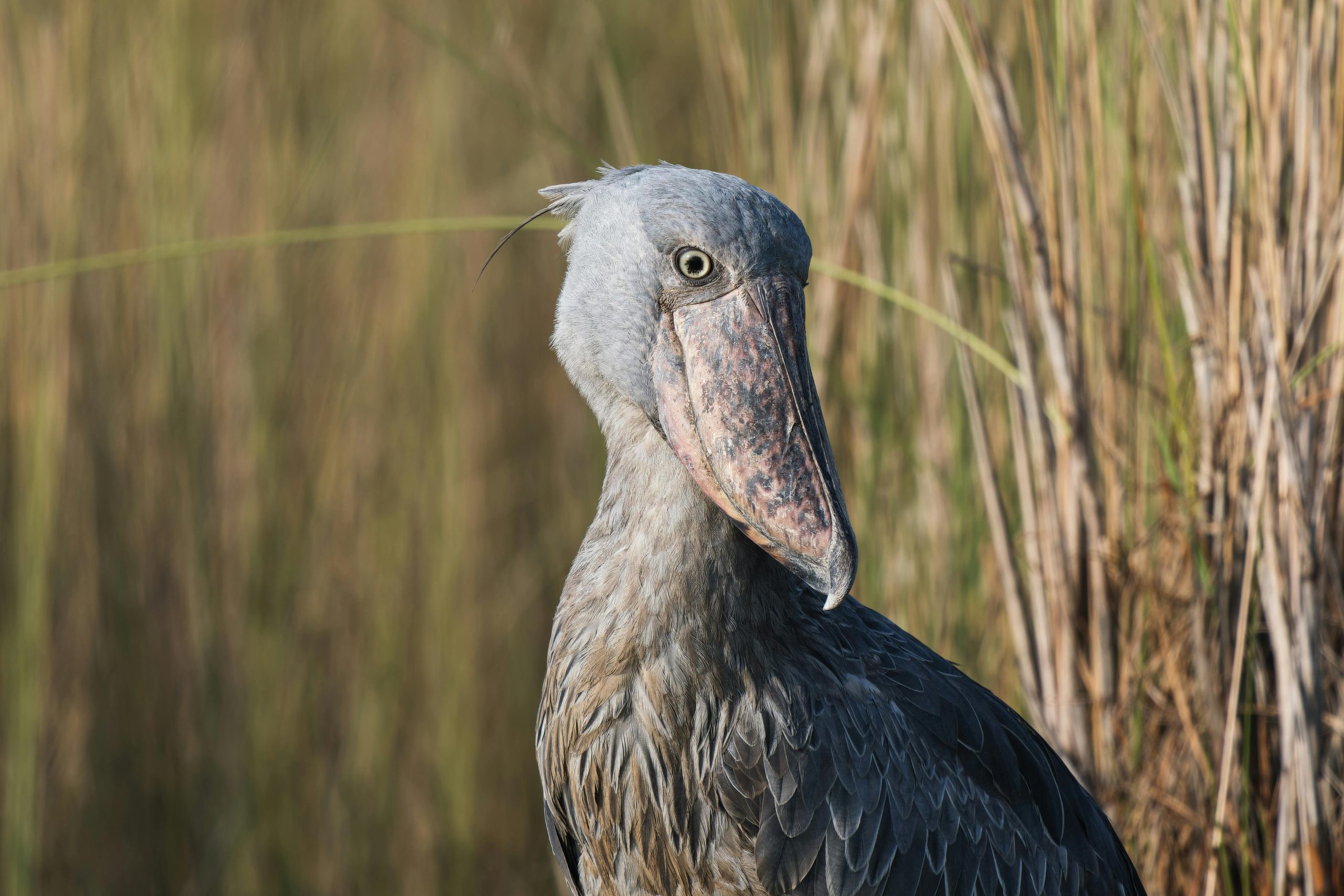
The shoebill stork (Balaeniceps rex) is a large, long-legged bird native to the freshwater swamps of central tropical Africa. Often mistaken for a relic of the dinosaur age, this bird is known for:
- Its enormous, shoe-shaped bill, up to 24 cm long
- A height of up to 5 feet (1.5 meters)
- An impressive wingspan exceeding 8 feet
- A slow, deliberate hunting style that adds to its eerie majesty
Unlike other storks, the shoebill is more closely related to pelicans and herons, making it a unique species in the avian world.
Where to Find the Shoebill: Prime Locations in Africa
Uganda: The Crown Jewel of Shoebill Sightings
Uganda is arguably the best place to witness the shoebill in the wild. Its vast wetlands and protected swamps offer a sanctuary for this elusive bird. Notable locations include:
- Mabamba Swamp: Just outside of Entebbe, this is a prime location for shoebill sightings. Turkana Wildlife Safaris offers specialized tours here.
- Ziwa Rhino Sanctuary: Known for rhino tracking, but also a hidden gem for shoebill enthusiasts.
- Semliki Wildlife Reserve: A lesser-known but rewarding destination for birders.
Other Locations
- South Sudan: Inaccessible for most due to political instability, but home to a significant population.
- Zambia: The Bangweulu Wetlands are another stronghold for the shoebill.
- Rwanda and Tanzania: Occasional sightings in protected wetlands.
The Shoebill Safari Experience
What to Expect on a Shoebill Safari
A typical shoebill safari is a blend of adventure, patience, and awe. With Turkana Wildlife Safaris, you can expect:
- Early morning canoe rides through papyrus swamps
- Expert guides with deep knowledge of bird behavior
- Close encounters with the shoebill, often just meters away
- Opportunities to spot other wetland species like malachite kingfishers, African jacanas, and swamp flycatchers
Why Choose Turkana Wildlife Safaris?
- Local Expertise: Deep-rooted knowledge of Uganda’s ecosystems
- Custom Itineraries: Tailored birding safaris to suit your interests
- Sustainable Tourism: Eco-conscious practices that protect wildlife and support local communities
Explore their Shoebill Safari Packages for more details.
Conservation Status: Protecting the Shoebill
The shoebill is currently listed as Vulnerable by the IUCN. Threats include:
- Habitat destruction due to agriculture and development
- Illegal capture for the exotic pet trade
- Disturbance from unregulated tourism
Conservation Efforts
- Community Involvement: Local communities are being educated and employed as eco-tour guides.
- Protected Areas: Wetlands like Mabamba are now recognized as Ramsar Sites.
- Eco-tourism: Responsible tourism, such as that offered by Turkana Wildlife Safaris, plays a vital role in conservation.
Photography and Birding Tips
How to Capture the Perfect Shoebill Shot
- Use a telephoto lens (300mm or more)
- Shoot during golden hours (early morning or late afternoon)
- Be patient and silent—shoebills are shy and easily disturbed
- Use a tripod or monopod for stability in a canoe
Birding Checklist
When visiting shoebill habitats, keep an eye out for:
- African fish eagle
- Goliath heron
- Papyrus gonolek
- Saddle-billed stork
- African pygmy goose
Download a full Uganda Birding Checklist from Turkana Wildlife Safaris.
Cultural Significance of the Shoebill
In some African cultures, the shoebill is considered a symbol of patience and mystery. Its silent demeanor and ghostly presence in the swamps have earned it nicknames like:
- “The Swamp Phantom”
- “Dinosaur Bird”
- “The Silent Hunter”
These cultural interpretations add a mystical layer to your shoebill encounter, making it more than just a birdwatching trip—it becomes a spiritual journey.
Planning Your Shoebill Safari: What You Need to Know
Best Time to Visit
- Dry Season: December to February and June to September
- Why?: Easier access to swamps and higher chances of sightings
What to Pack
- Lightweight, neutral-colored clothing
- Waterproof boots or sandals
- Binoculars and camera gear
- Insect repellent and sunscreen
- A birding field guide for East Africa
Travel Logistics
- Visa Requirements: Most nationalities require a visa to enter Uganda
- Vaccinations: Yellow fever, typhoid, and malaria prophylaxis recommended
- Currency: Ugandan Shilling (UGX)
For a seamless experience, book a custom safari package with Turkana Wildlife Safaris.
The Shoebill in Popular Media
The shoebill has gained viral fame thanks to its:
- Menacing stare: Often featured in memes and videos
- Unusual bill-clapping sound: Used during mating displays
- Slow-motion hunting style: Fascinates wildlife filmmakers
It has been featured in:
- BBC’s “Planet Earth”
- National Geographic documentaries
- Viral YouTube videos with millions of views
Why the Shoebill Experience Is Unique
Unlike a typical safari where animals roam in herds, the shoebill offers a solitary, almost meditative experience. It’s not about the quantity of sightings but the quality of the encounter. Watching a shoebill stand motionless for hours, then strike with lightning speed, is a lesson in patience, precision, and the raw beauty of nature.
FAQ: Shoebill Stork Safari
1. Where is the best place to see the shoebill stork?
The Mabamba Swamp in Uganda is the most reliable location for shoebill sightings, accessible via a short boat ride from Entebbe.
2. Is it safe to go on a shoebill safari?
Yes, especially with experienced operators like Turkana Wildlife Safaris, who prioritize safety, comfort, and conservation.
3. What is the best time of year to see the shoebill?
The dry seasons (December–February and June–September) offer the best conditions for shoebill tracking.
4. Can I combine a shoebill safari with other wildlife experiences?
Absolutely. Combine your shoebill adventure with gorilla trekking, chimpanzee tracking, or a visit to Murchison Falls. Explore multi-destination packages with Turkana Wildlife Safaris.
5. How long should a shoebill safari last?
A dedicated shoebill safari typically lasts 1–2 days, but birding enthusiasts often opt for extended birding tours of 7–14 days.
Final Thoughts: A Journey Worth Taking
The shoebill stork is not just a bird—it’s a living relic, a symbol of Africa’s untamed beauty and ecological richness. Encountering this majestic creature in the wild is an unforgettable experience that blends adventure, awe, and a deeper appreciation for the natural world.
Whether you’re a seasoned birder or a curious traveler, a shoebill safari with Turkana Wildlife Safaris offers a rare opportunity to connect with one of nature’s most extraordinary beings.
Ready to Begin Your Shoebill Adventure?
📩 Contact Turkana Wildlife Safaris today to customize your shoebill safari and explore the wild heart of Africa like never before.
🦅 Discover more Uganda Birding Safaris
🌍 Explore Uganda Safari Packages
📷 Follow the Shoebill Stork Experience