
Tour of Karamoja
Tour of Karamoja
Discovering the Untamed Beauty: A Complete Tour of Karamoja
Introduction to Karamoja: Uganda’s Hidden Gem
Nestled in the northeastern corner of Uganda, the Karamoja region remains one of East Africa’s most enigmatic and untouched destinations. Far from the bustling tourist circuits of Kampala or the wildlife-rich plains of Queen Elizabeth National Park, Karamoja offers a raw, authentic, and deeply cultural experience that few places in Africa can match.
This comprehensive guide will take you on a journey through the heart of Karamoja, exploring its rich traditions, captivating landscapes, and the resilient spirit of its people. Whether you’re an adventurous traveler, a cultural enthusiast, or a nature lover, a tour of Karamoja promises an unforgettable experience.
Where Is Karamoja?
Karamoja is located in northeastern Uganda, bordered by Kenya to the east and South Sudan to the north. It comprises several districts, including Moroto, Kotido, Kaabong, and Nakapiripirit. The region is part of the larger Karamoja sub-region and is home to the indigenous Karamojong people, known for their pastoralist lifestyle and rich cultural heritage.
Why Visit Karamoja?
Off-the-Beaten-Path Adventure
Unlike Uganda’s more frequented tourist spots, Karamoja offers a sense of discovery. Its remote location and limited infrastructure mean that few travelers venture here, making it ideal for those seeking an authentic and immersive experience.
Rich Cultural Encounters
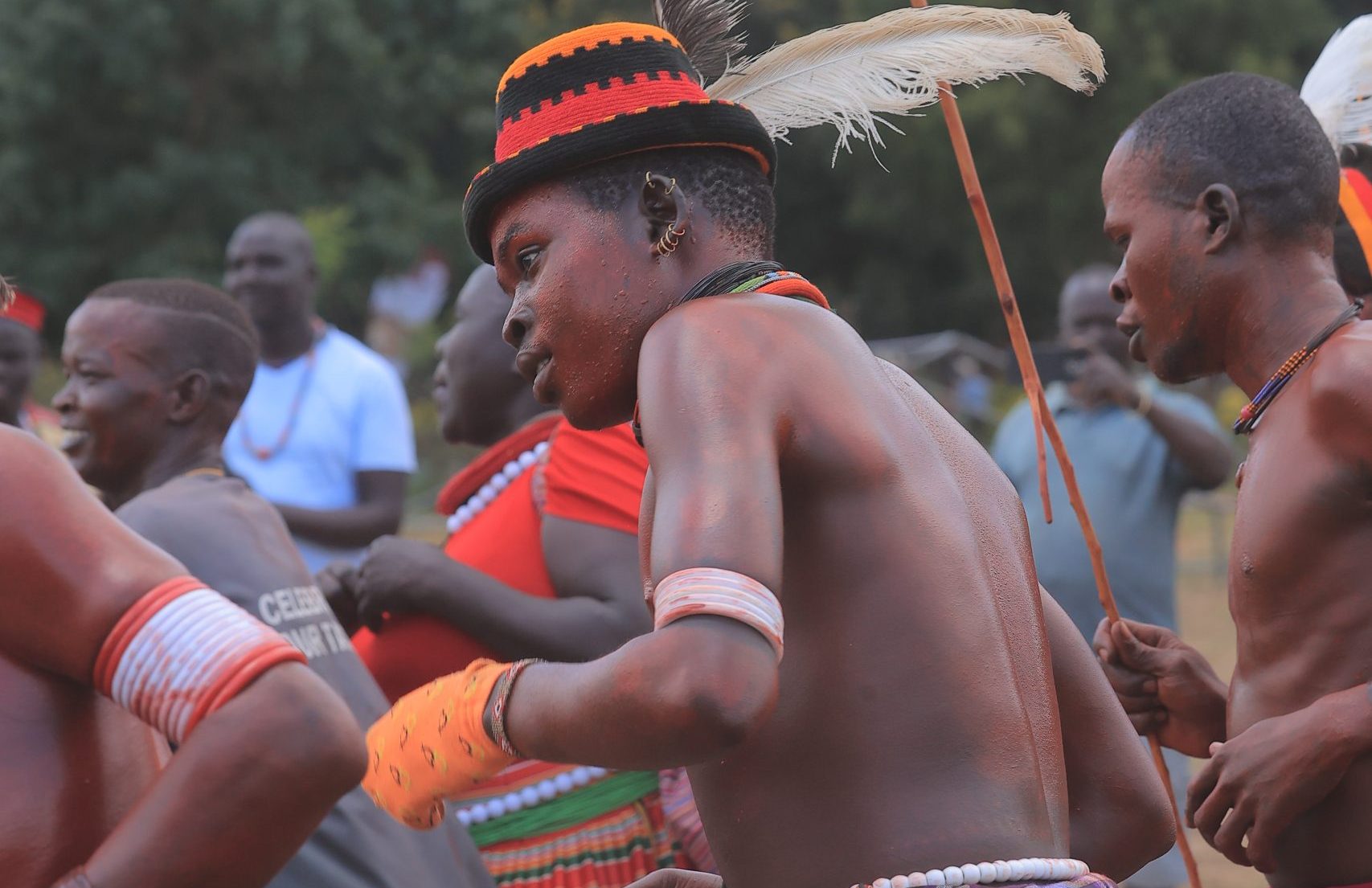
The Karamojong people have preserved their traditional way of life for centuries. Visitors can engage in cultural tours, attend traditional ceremonies, and learn about indigenous practices that remain largely unchanged by modernity.
Breathtaking Landscapes
Karamoja’s terrain is a stunning mix of savannahs, rugged mountains, and semi-arid plains. The Mount Moroto range offers excellent hiking opportunities, while the vast plains provide a unique setting for wildlife viewing and photography.
How to Get to Karamoja
By Road
The most common way to reach Karamoja is by road from Kampala, Uganda’s capital. The journey takes approximately 10–12 hours, depending on the condition of the roads and the final destination within the region.
- Route 1: Kampala → Mbale → Moroto
- Route 2: Kampala → Soroti → Kotido
By Air
Chartered flights are available from Entebbe International Airport to Moroto airstrip. This is a faster but more expensive option, ideal for travelers with limited time.
Top Attractions in Karamoja
Mount Moroto
One of the highest peaks in the region, Mount Moroto offers scenic hiking trails, panoramic views, and a chance to encounter unique flora and fauna. The mountain is sacred to the Karamojong and holds cultural significance.
Kidepo Valley National Park
Located in the northern part of Karamoja, Kidepo Valley National Park is one of Africa’s most remote and least visited parks. It boasts a rich variety of wildlife, including lions, elephants, giraffes, and over 470 bird species.
Cultural Villages
Participate in immersive cultural tours in traditional Manyattas (homesteads). Learn about the Karamojong’s unique customs, including their distinctive dress, dance, and cattle-keeping traditions.
Pian Upe Wildlife Reserve
This lesser-known reserve is a haven for wildlife enthusiasts. It is home to cheetahs, ostriches, and various antelope species. The reserve also offers opportunities for bird watching and guided nature walks.
Cultural Immersion in Karamoja
The Karamojong People
The Karamojong are semi-nomadic pastoralists whose lives revolve around cattle. Cattle are not only a source of livelihood but also a symbol of wealth and social status. Visitors can learn about their:
- Traditional dances and music
- Cattle herding techniques
- Rituals and ceremonies
- Unique architecture of Manyattas
Festivals and Events
- Cultural Day Celebrations: Held annually to showcase the region’s heritage.
- Traditional Wrestling Matches: A popular sport among the youth.
- Initiation Ceremonies: Marking the transition from boyhood to manhood.
Sustainable Tourism in Karamoja
Tourism in Karamoja is still in its infancy, and there is a strong emphasis on sustainability and community involvement. Several local organizations and tour operators are working to ensure that tourism benefits the local communities.
Community-Based Tourism Initiatives
- Homestays with local families
- Craft workshops and cooperatives
- Volunteer opportunities in education and conservation
What to Pack for a Tour of Karamoja
Given the region’s remote nature and varying climate, it’s essential to pack appropriately.
Essentials
- Lightweight, breathable clothing
- Sturdy hiking boots
- Reusable water bottle
- Sunscreen and insect repellent
- First-aid kit
Optional Items
- Binoculars for bird watching
- Camera with zoom lens
- Travel guidebook
- Gifts for local communities (school supplies, etc.)
Safety and Travel Tips
While Karamoja is generally safe for tourists, it’s important to take certain precautions.
Travel Tips
- Travel with a reputable guide or tour company
- Avoid traveling at night
- Stay updated on local news and weather conditions
- Respect local customs and traditions
Health Considerations
- Ensure vaccinations are up to date (yellow fever, typhoid, etc.)
- Carry anti-malarial medication
- Drink bottled or purified water
Best Time to Visit Karamoja
The ideal time to visit Karamoja is during the dry season, from December to March and June to September. During these months, the weather is more favorable for outdoor activities, and roads are more accessible.
Sample Itinerary for a 7-Day Tour of Karamoja
Day 1: Arrival in Kampala
- Overnight stay in Kampala
Day 2: Travel to Moroto
- Scenic drive through eastern Uganda
- Overnight in Moroto
Day 3: Mount Moroto Hike
- Full-day hike with local guide
- Cultural evening with traditional dance
Day 4: Cultural Village Tour
- Visit a Manyatta
- Participate in local crafts and rituals
Day 5: Transfer to Kidepo Valley National Park
- Game drive en route
- Overnight in safari lodge
Day 6: Wildlife Safari & Hot Springs
- Morning and evening game drives
- Visit Kanangorok Hot Springs
Day 7: Return to Kampala or onward travel
Frequently Asked Questions (FAQ)
1. Is Karamoja safe for tourists?
Yes, Karamoja is safe for tourists, especially when traveling with a local guide or tour operator. The region has seen significant improvements in security over the years.
2. What language is spoken in Karamoja?
The primary language is Ngakarimojong, but many locals also speak English and Swahili.
3. Can I visit Karamoja independently?
While independent travel is possible, it’s highly recommended to go with a local guide due to the region’s remoteness and cultural sensitivities.
4. What is the best way to experience Karamojong culture?
Participating in a guided cultural tour, staying in a homestay, and attending local festivals are excellent ways to immerse yourself in the culture.
5. Are there accommodations in Karamoja?
Yes, there are several lodges, guesthouses, and campsites in Moroto, Kotido, and near Kidepo Valley National Park. Options range from budget to mid-range.
Conclusion: Why Karamoja Should Be on Your Travel Radar
A tour of Karamoja is not just a trip—it’s a journey into a world where tradition, nature, and adventure converge. From the majestic peaks of Mount Moroto to the cultural richness of the Karamojong people, Karamoja offers a travel experience that is both profound and transformative.
Whether you’re hiking through rugged mountains, dancing with locals under the stars, or watching wildlife roam freely in untouched savannahs, Karamoja invites you to explore a side of Africa that remains beautifully wild and wonderfully real.