
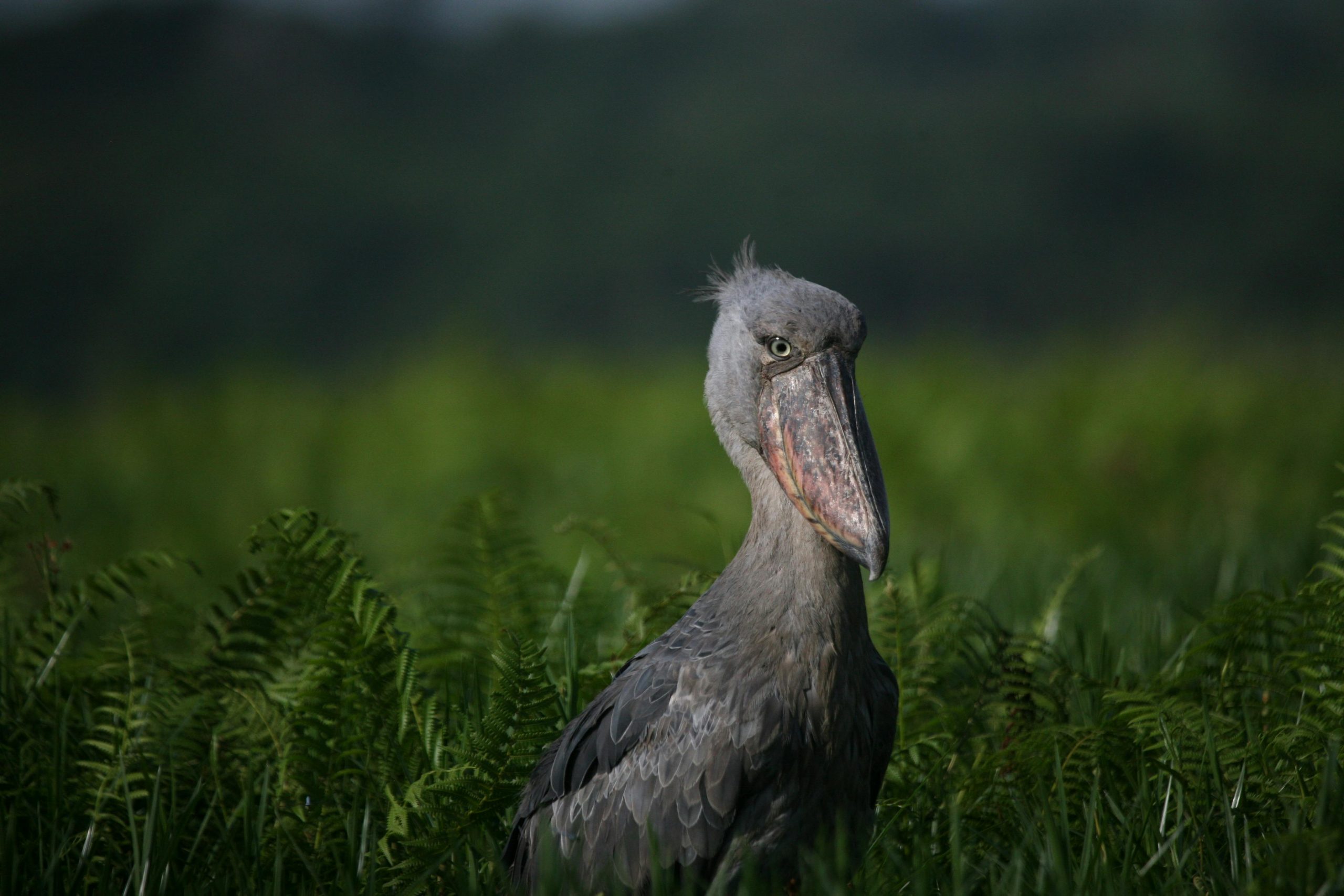
Shoebill Stork Tracking in Mabamba Swamp
Shoebill Stork Tracking in Mabamba Swamp
Shoebill Stork Tracking in Mabamba Swamp: A Rare Birding Adventure in Uganda
Introduction
Nestled on the northern shores of Lake Victoria, the enchanting Mabamba Swamp is a birder’s paradise and one of the few remaining strongholds of the elusive and prehistoric-looking Shoebill Stork. This rare and iconic bird, with its massive shoe-shaped bill and statuesque posture, draws birdwatchers and wildlife enthusiasts from across the globe to Uganda. In this comprehensive guide, we delve into the fascinating world of shoebill tracking in Mabamba Swamp, exploring its habitat, behavior, conservation status, and how you can experience this once-in-a-lifetime adventure.
Why Mabamba Swamp is the Best Place to See the Shoebill
Mabamba Swamp, located just 50 kilometers west of Kampala, is a vast wetland ecosystem that offers the perfect habitat for the Shoebill Stork. The swamp is part of the larger Lake Victoria basin and is characterized by papyrus reeds, water lilies, and shallow channels—ideal conditions for the shoebill’s favorite prey: lungfish.
Unique Features of Mabamba Swamp
- Accessibility: Easily reachable from Entebbe or Kampala, making it a convenient day trip.
- Biodiversity: Home to over 300 bird species including the Papyrus Gonolek, African Jacana, and Malachite Kingfisher.
- Community Involvement: Local communities actively participate in eco-tourism and conservation initiatives.
- UNESCO Ramsar Site: Recognized as a wetland of international importance.
The Enigmatic Shoebill Stork: A Living Fossil
The shoebill (Balaeniceps rex) is often described as a “dinosaur bird” due to its prehistoric appearance. Standing up to 5 feet tall with a wingspan of over 8 feet, its most distinctive feature is the massive, shoe-shaped bill used to catch fish, frogs, and even baby crocodiles.
Fascinating Facts About the Shoebill
- Solitary Behavior: Typically seen alone or in pairs, making sightings rare and special.
- Silent Hunters: Known for their stealth and patience while hunting.
- Unique Vocalizations: Produces a bill-clattering sound similar to a machine gun during courtship.
- Long Lifespan: Can live up to 35 years in the wild.
Best Time for Shoebill Tracking in Mabamba
While the shoebill can be seen year-round, the dry seasons—between December to February and June to August—offer the best visibility and accessibility. Early morning hours are ideal for sightings, as the birds are most active during this time.
Seasonal Highlights
- Dry Season (June–August): Easier navigation through the swamp, higher chances of sightings.
- Wet Season (March–May, September–November): Lush scenery and fewer tourists, but more challenging access.
How to Track the Shoebill in Mabamba Swamp
Tracking the shoebill is a serene and immersive experience. Visitors glide silently through narrow water channels in traditional wooden canoes, guided by experienced local birders who know the swamp intimately.
What to Expect on a Shoebill Tracking Tour
- Departure from Entebbe or Kampala: Most tours start early in the morning.
- Canoe Ride: Navigate through papyrus-lined channels in search of the shoebill.
- Expert Guides: Local guides help identify bird calls and spot the shoebill.
- Photography Opportunities: The calm waters and close proximity allow for excellent photography.
For a curated birding experience, consider booking with Turkana Wildlife Safaris, which offers specialized Uganda birding tours including Mabamba Swamp excursions.
Conservation Efforts and Community Involvement
The shoebill is classified as Vulnerable by the IUCN due to habitat loss, hunting, and disturbance from tourism. However, Mabamba Swamp has become a model for community-led conservation.
Key Conservation Initiatives
- Eco-Tourism Revenue Sharing: Local communities benefit directly from tourism, incentivizing protection of the swamp.
- Guided Tours by Locals: Ensures sustainable tourism and employment.
- Education Programs: Raise awareness among youth about the importance of wetland conservation.
- Partnerships with NGOs: Support habitat restoration and anti-poaching efforts.
Other Bird Species to Spot in Mabamba
While the shoebill is the star attraction, Mabamba Swamp is teeming with avian life. Birders can expect to see a wide variety of species, making it a prime destination for ornithologists and photographers alike.
Notable Birds in Mabamba Swamp
- African Marsh Harrier
- Blue-breasted Bee-eater
- Goliath Heron
- Black Crake
- Lesser Jacana
- White-faced Whistling Duck
- Spur-winged Goose
For a full checklist of birds, visit Turkana Wildlife Safaris’ birding page.
Planning Your Shoebill Tracking Safari
To make the most of your shoebill tracking adventure, it’s essential to plan ahead. Here’s a guide to help you prepare:
What to Bring
- Binoculars and a good camera
- Waterproof shoes or sandals
- Lightweight, neutral-colored clothing
- Sunscreen and insect repellent
- A birding field guide or app
Recommended Tour Operators
Combining Shoebill Tracking with Other Uganda Safaris
Uganda is a treasure trove of biodiversity. After your shoebill experience, consider exploring other iconic destinations:
Top Safari Extensions
- Bwindi Impenetrable Forest: For gorilla trekking.
- Queen Elizabeth National Park: Known for tree-climbing lions and boat safaris.
- Murchison Falls National Park: Home to the powerful Murchison Falls and diverse wildlife.
- Kibale Forest: Chimpanzee tracking and primate viewing.
Explore these options with Turkana Wildlife Safaris.
Eco-Tourism and Sustainable Travel Tips
Responsible tourism is key to preserving the unique ecosystem of Mabamba Swamp. Here’s how you can contribute:
Do’s and Don’ts
- ✅ Support local guides and lodges
- ✅ Stay on designated paths
- ✅ Minimize plastic use
- ❌ Avoid loud noises or sudden movements
- ❌ Do not feed or disturb wildlife
Frequently Asked Questions (FAQ)
1. What is the best time of year to see the shoebill in Mabamba?
The best time is during the dry seasons (June–August and December–February), when water levels are lower and bird activity is higher. Early mornings offer the best chances for sightings.
2. How long does a shoebill tracking tour take?
Most tours last between 3 to 5 hours, including travel time from Entebbe or Kampala. Some packages offer full-day birding experiences.
3. Is it safe to visit Mabamba Swamp?
Yes, it is safe. The area is patrolled by local guides and community members, and the canoe rides are conducted by experienced navigators.
4. Can I combine shoebill tracking with other activities?
Absolutely. Many tour operators, including Turkana Wildlife Safaris, offer combined itineraries that include gorilla trekking, chimpanzee tracking, and traditional safaris.
5. How can I book a shoebill tracking tour?
You can book through reputable operators like Turkana Wildlife Safaris, which offers customized itineraries and expert guides.
Conclusion
Shoebill stork tracking in Mabamba Swamp is more than just a birdwatching trip—it’s a journey into one of Africa’s most mystical wetlands, where time slows down and nature takes center stage. Whether you’re an avid birder or a curious traveler, witnessing the shoebill in its natural habitat is an unforgettable experience that connects you to the wild heart of Uganda.
For expertly guided tours and tailor-made safaris, explore the offerings at Turkana Wildlife Safaris, your trusted partner in African wildlife adventures.