
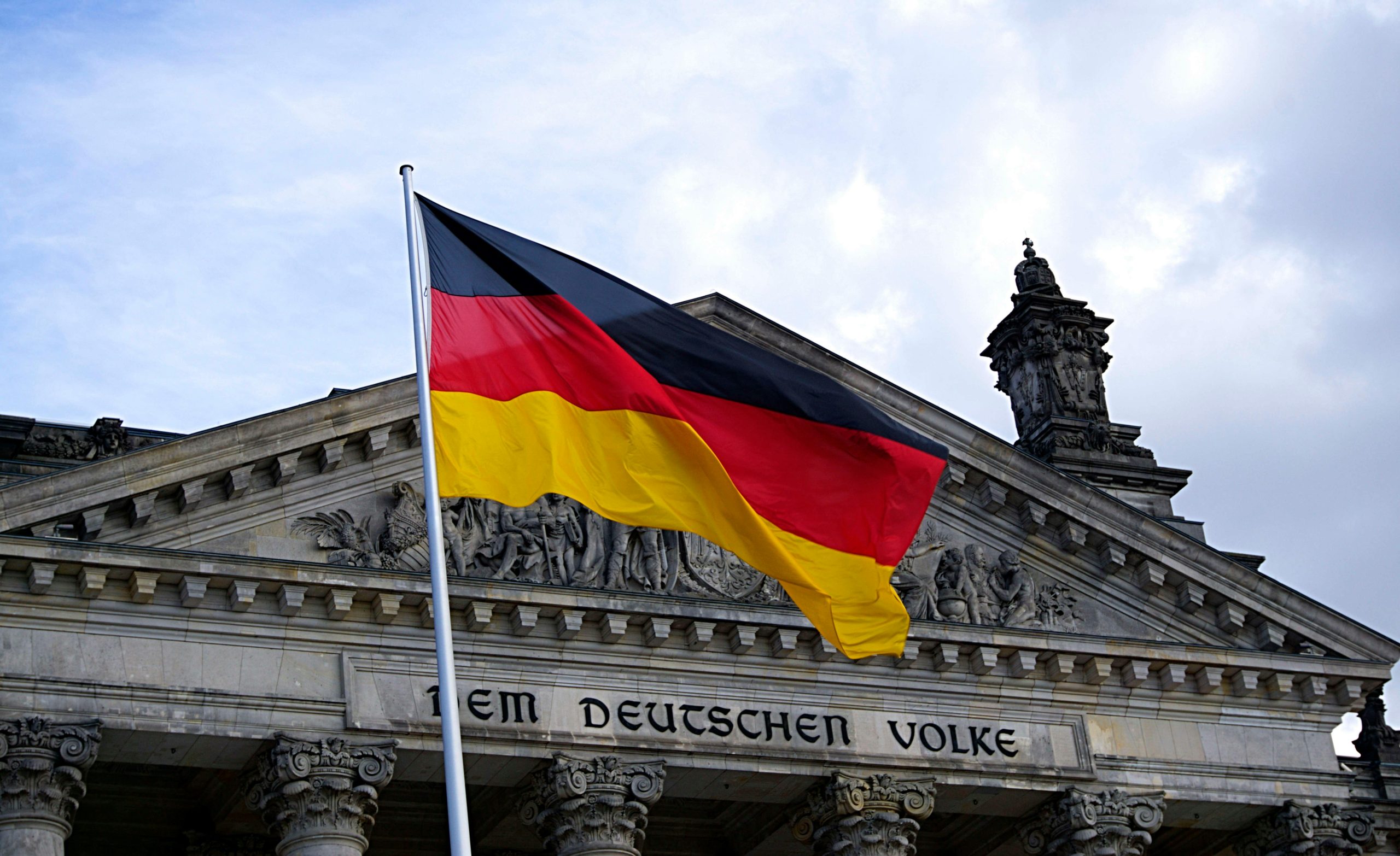
Translate German to Luganda
Translate German to Luganda
German to Luganda Translation: A Detailed Guide
Introduction
Translating from German to Luganda is a unique linguistic journey that bridges two culturally rich and structurally distinct languages. German, a West Germanic language spoken primarily in Germany, Austria, and parts of Switzerland, contrasts significantly with Luganda, a Bantu language spoken predominantly in Uganda by the Baganda people. This article offers a comprehensive overview of how to translate German to Luganda, including linguistic challenges, cultural nuances, and practical examples.
Understanding the Structure of Each Language
German Language Features
- Grammar-heavy: German is known for its complex grammatical rules, including four cases (nominative, accusative, dative, genitive), three grammatical genders, and verb conjugations.
- Compound words: German often combines multiple words into one, which can be challenging to translate directly.
- Formal vs. Informal: The use of “Sie” (formal) and “du” (informal) affects translation tone.
Luganda Language Features
- Agglutinative structure: Luganda builds meaning through prefixes, infixes, and suffixes.
- Noun classes: Luganda has over 10 noun classes that affect verb conjugation and adjectives.
- Tone-sensitive: Meaning can change with tone, which is not marked in writing.
Challenges in Translating German to Luganda
1. Grammatical Differences
German’s case system has no direct equivalent in Luganda. For instance, the German sentence:
“Ich gebe dem Mann das Buch.”
(I give the man the book.)
In Luganda becomes:
“Mpa omusajja ekitabo.”
Here, “dem Mann” (dative case) is translated simply as “omusajja” without a case marker.
2. Vocabulary Gaps
Some German concepts may not have direct Luganda equivalents, especially in technology or abstract philosophy. For example:
- Datenschutz (data protection) → May require a descriptive phrase in Luganda like
“okukuuma eby’amawulire” (to protect information).
3. Cultural Context
German idioms often don’t translate directly. For instance:
- “Ich verstehe nur Bahnhof” (I don’t understand anything)
→ In Luganda, a similar expression might be:
“Sintegeera kintu kyonna” (I don’t understand anything at all).
Practical Examples of German to Luganda Translation
Let’s explore some common phrases and how they translate:
| German Phrase | Luganda Translation | English Meaning |
|---|---|---|
| Guten Morgen | Wasuze otya nno? | Good morning |
| Wie geht es dir? | Oli otya? | How are you? |
| Ich liebe dich | Nkwagala | I love you |
| Danke schön | Webale nnyo | Thank you very much |
| Auf Wiedersehen | Tukulabye | Goodbye |
Tips for Accurate Translation
- Understand the context: Always consider the setting—formal, informal, religious, or technical.
- Use native speakers: Collaborate with native Luganda speakers for idiomatic accuracy.
- Avoid literal translation: Focus on meaning rather than word-for-word translation.
- Leverage bilingual dictionaries: Use tools like Glosbe or Google Translate cautiously, as they may lack nuance.
Tools for Translating German to Luganda
Here are some helpful resources:
- Glosbe German-Luganda Dictionary
- Google Translate (use with caution)
- Kamusi Project – A multilingual dictionary project
- Omniglot – For Luganda writing system and pronunciation
Common Mistakes to Avoid
- Ignoring noun classes: In Luganda, adjectives and verbs must agree with the noun class.
- Misusing tone: Luganda is tonal, and incorrect tone can change the meaning.
- Translating idioms literally: Always localize expressions.
Sample Paragraph Translation
Let’s translate a short German paragraph into Luganda:
German:
“Ich bin Lehrer. Ich unterrichte Deutsch in einer Schule in Berlin. Meine Schüler sind sehr freundlich und lernen schnell.”
Luganda:
“Nze musomesa. Nsomesanga Oludaaki mu ssomero mu Berlin. Abayizi bange baagaliza nnyo era bayiga mangu.”
English Translation:
“I am a teacher. I teach German in a school in Berlin. My students are very friendly and learn quickly.”
Frequently Asked Questions (FAQ)
1. Is Luganda a tonal language?
Yes, Luganda is a tonal language, meaning pitch can change the meaning of a word. This is a key difference from German, which is not tonal.
2. Can I use Google Translate for German to Luganda?
While Google Translate supports German, it has limited support for Luganda. It’s best to consult native speakers or specialized dictionaries like Glosbe.
3. Are there professional translators for German to Luganda?
Yes, there are freelance and agency-based translation services that specialize in African languages, including Luganda.
4. What are the best resources to learn Luganda?
Some of the best resources include:
5. How do I handle German compound words in Luganda?
Break them down into their components and translate each part. For example:
- Krankenhaus (hospital) → “ekibira ky’abalwadde” (place for the sick)
Conclusion
Translating from German to Luganda is not just about converting words—it’s about bridging cultures, understanding grammar, and respecting linguistic nuances. Whether you’re a language enthusiast, a translator, or someone working in international development, mastering this translation requires patience, cultural sensitivity, and the right tools.
By understanding the structure of both languages, using reliable resources, and avoiding common pitfalls, you can achieve accurate and meaningful translations that resonate with Luganda speakers.