
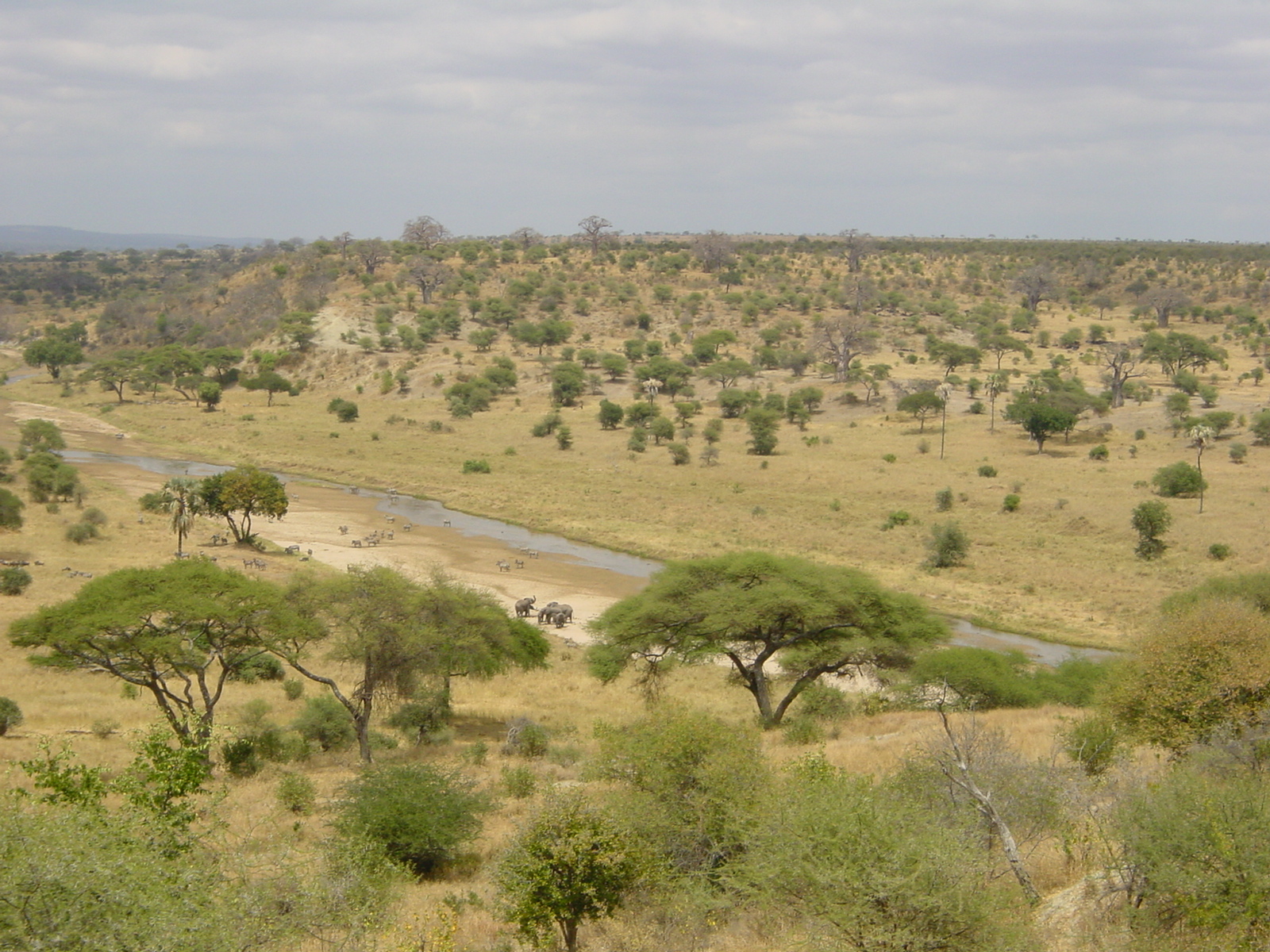
Tropical Savannah
Tropical Savannah
Tropical Savannah: A Comprehensive Guide to Its Climate, Flora, and Fauna
Introduction
The tropical savannah is one of the most fascinating and diverse ecosystems on Earth. Characterized by vast grasslands interspersed with scattered trees, this biome is home to an incredible array of wildlife and plant species. Found primarily in regions near the equator, the tropical savannah plays a crucial role in maintaining ecological balance and supporting biodiversity.
In this article, we will explore the climate, flora, fauna, and ecological significance of the tropical savannah. Additionally, we will discuss the threats facing this biome and the conservation efforts being undertaken to preserve it.
What is a Tropical Savannah?
A tropical savannah is a biome that features a mix of grasslands and sparse trees. It is typically found in regions with distinct wet and dry seasons, making it different from tropical rainforests and deserts. These ecosystems are mainly located in Africa, South America, Australia, and parts of Asia.
Key Characteristics of the Tropical Savannah:
- Seasonal Rainfall: Alternating between a wet and dry season.
- High Temperatures: Warm climate throughout the year.
- Grass-Dominated Landscape: Tall grasses with scattered trees.
- Rich Biodiversity: Home to various herbivores and predators.
Climate of the Tropical Savannah
The climate of the tropical savannah is defined by two main seasons:
1. The Wet Season
- Lasts for about six months, typically during summer.
- Heavy rainfall nourishes the vegetation.
- Rivers and water bodies are replenished.
2. The Dry Season
- Can last for up to six months.
- Little to no rainfall, leading to drought conditions.
- Many plants and animals adapt to conserve water.
The temperature in tropical savannahs remains relatively high throughout the year, usually ranging between 20°C and 30°C (68°F – 86°F).
Flora of the Tropical Savannah
The vegetation in a tropical savannah is uniquely adapted to withstand both heavy rains and prolonged droughts.
Common Plant Species:
- Baobab Trees – Known for their thick trunks that store water.
- Acacia Trees – Provide shade and food for many animals.
- Elephant Grass – Tall grass that serves as food for herbivores.
- Candelabra Trees – Drought-resistant plants with unique shapes.
These plants have deep root systems that help them access underground water during the dry season. Some trees also have fire-resistant bark, allowing them to survive frequent wildfires.
Fauna of the Tropical Savannah
The wildlife in the tropical savannah is incredibly diverse, with species ranging from large herbivores to apex predators.
Herbivores:
- Elephants – The largest land mammals, crucial for ecosystem balance.
- Zebras – Known for their black-and-white stripes.
- Giraffes – The tallest land animals, feeding on tree leaves.
- Buffaloes – Often found in large herds.
Carnivores:
- Lions – The apex predators of the savannah.
- Cheetahs – The fastest land animals.
- Hyenas – Scavengers that play a vital role in the food chain.
- Leopards – Stealthy hunters that prey on smaller animals.
Other Notable Species:
- Termites – Essential for decomposing organic matter.
- Ostriches – The largest birds, known for their speed.
- Crocodiles – Found in rivers and water bodies.
Many of these animals have developed adaptations to survive in the extreme conditions of the savannah, such as migratory behavior, water conservation, and nocturnal activity.
Ecological Importance of the Tropical Savannah
The tropical savannah plays a crucial role in maintaining global biodiversity and ecological balance.
Key Ecological Functions:
- Carbon Sequestration: Grasslands absorb CO₂, reducing greenhouse gases.
- Habitat for Wildlife: Supports a vast array of species.
- Prevention of Desertification: Vegetation helps retain soil moisture.
- Water Cycle Regulation: Seasonal rains replenish water sources.
Additionally, the savannah supports indigenous communities and provides resources such as medicinal plants, food, and grazing land for livestock.
Threats to the Tropical Savannah
Despite its ecological significance, the tropical savannah faces numerous threats due to human activities and climate change.
Major Threats:
- Deforestation: Clearing land for agriculture and urbanization.
- Climate Change: Altering rainfall patterns and increasing droughts.
- Poaching: Illegal hunting of endangered species.
- Wildfires: Often caused by human activities.
If these threats are not addressed, the delicate balance of the savannah ecosystem could be disrupted, leading to loss of biodiversity and desertification.
Conservation Efforts
To protect the tropical savannah, various conservation initiatives have been implemented.
Key Conservation Strategies:
- Protected Areas: Establishing national parks and wildlife reserves.
- Anti-Poaching Laws: Strengthening regulations against illegal hunting.
- Reforestation Projects: Planting trees to restore degraded areas.
- Sustainable Agriculture: Encouraging eco-friendly farming practices.
Organizations such as the World Wildlife Fund (WWF) and The Nature Conservancy are actively working to preserve these ecosystems.
FAQs About the Tropical Savannah
1. Where are tropical savannahs found?
Tropical savannahs are primarily found in Africa (Serengeti), South America (Brazilian Cerrado), Australia, and parts of Asia.
2. What is the difference between a tropical savannah and a grassland?
A tropical savannah has a mix of grasslands and scattered trees, while grasslands (such as prairies) have fewer trees and are found in temperate regions.
3. How do animals survive in the tropical savannah?
Animals in the savannah have adapted by migrating, conserving water, and developing camouflage to evade predators.
4. Why are wildfires common in the tropical savannah?
Wildfires occur due to dry conditions, lightning strikes, and human activities. Some plants have adapted to survive these fires.
5. How can we help protect the tropical savannah?
Supporting conservation organizations, promoting sustainable tourism, and reducing deforestation can help protect this vital ecosystem.
Conclusion
The tropical savannah is a breathtaking and ecologically significant biome that supports an incredible variety of life. However, it faces numerous threats that require urgent conservation efforts. By understanding its climate, flora, fauna, and ecological importance, we can take steps to ensure that this vital ecosystem remains preserved for future generations.