
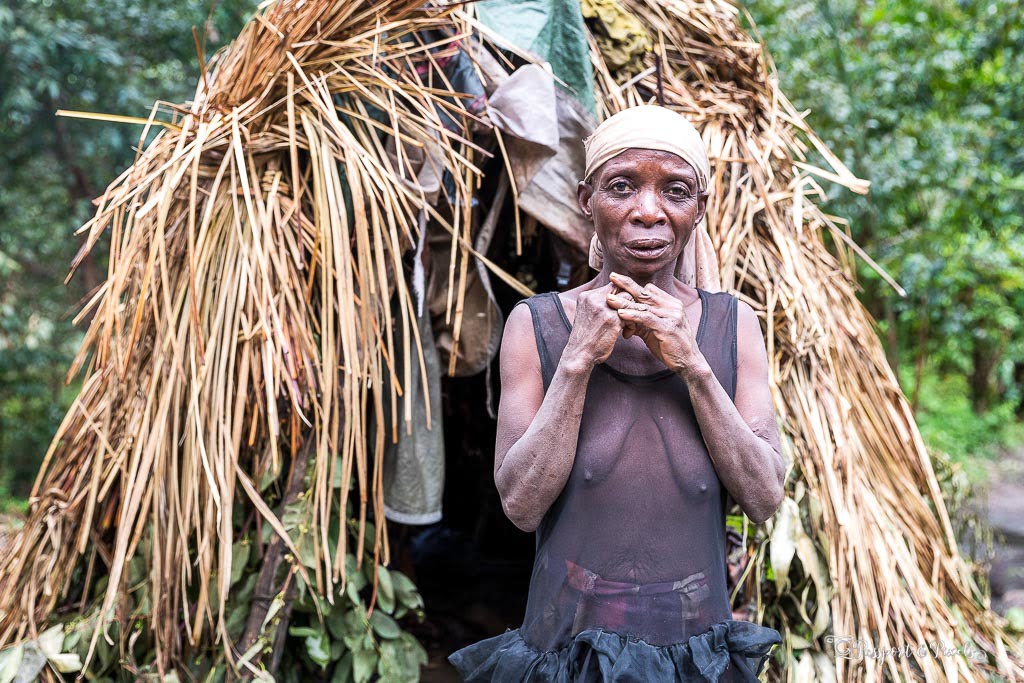
Twa Tribe
Twa Tribe
The Twa Tribe: Unveiling the History, Culture, and Survival of Africa’s Forgotten Indigenous People
Introduction
The Twa people, often referred to as the “pygmy” tribes of Central Africa, are among the oldest known inhabitants of the African continent. Despite their profound historical and cultural significance, they remain largely marginalized and underrepresented in modern discourse. This article delves deep into the origins, traditions, and current challenges faced by the Twa tribe.
Who Are the Twa?
The Twa, also known as Batwa, are a hunter-gatherer people traditionally found in the Great Lakes region of Central Africa. They are considered among the earliest inhabitants of the region, predating the arrival of Bantu-speaking agriculturalists by thousands of years.
Geographic Distribution
- Democratic Republic of Congo (DRC)
- Rwanda
- Burundi
- Uganda
- Zambia
Each of these countries hosts Twa communities, though their numbers have dwindled due to displacement and assimilation.
Origins and Ancestry
The Twa are believed to be descendants of the original forest-dwelling populations of Central Africa. Genetic studies suggest they may have lived in the region for over 60,000 years, making them one of the oldest continuous populations on Earth.
Anthropological Significance
- Ancient lineage: Their DNA provides crucial insights into early human migration.
- Cultural continuity: The Twa have preserved oral traditions and rituals that date back millennia.
- Ecological knowledge: Their understanding of the forest ecosystem is unparalleled.
Traditional Lifestyle
Hunter-Gatherer Economy
The Twa have traditionally lived off the land, relying on:
- Hunting: Using bows, arrows, and traps to catch small game.
- Gathering: Collecting fruits, nuts, honey, and medicinal plants.
- Fishing: In rivers and lakes using handmade nets and spears.
This sustainable lifestyle has allowed them to coexist harmoniously with their environment for generations.
Social Structure
Twa communities are typically egalitarian, with decisions made collectively. Elders are respected for their wisdom, and gender roles, while present, are more fluid compared to neighboring agricultural societies.
Housing and Settlement
- Temporary shelters: Made of leaves, branches, and grass.
- Mobility: Communities move frequently to follow seasonal food sources.
- Integration: Some Twa now live in permanent settlements due to external pressures.
Language and Communication
The Twa speak various languages, often adopting the tongues of neighboring ethnic groups. However, they also retain unique dialects and linguistic features that reflect their distinct heritage.
Common Languages
- Kinyarwanda (Rwanda)
- Kirundi (Burundi)
- Lingala (DRC)
- Bemba (Zambia)
- Luganda (Uganda)
Despite this linguistic diversity, efforts are underway to document and preserve indigenous Twa languages.
Cultural Practices
Music and Dance
Music is central to Twa culture, used in:
- Rituals: Birth, death, initiation, and healing ceremonies.
- Storytelling: Oral histories passed down through generations.
- Celebrations: Marking seasonal changes and successful hunts.
Traditional instruments include drums, flutes, and stringed instruments made from natural materials.
Spiritual Beliefs
The Twa practice animism, believing in the spiritual essence of natural elements. Key beliefs include:
- Forest spirits: Guardians of the land and animals.
- Ancestral worship: Honoring the spirits of the departed.
- Ritual healing: Conducted by shamans using herbs and chants.
Art and Craftsmanship
Twa artisans are skilled in:
- Pottery: Functional and ceremonial items.
- Basket weaving: Using reeds and grasses.
- Wood carving: Masks and figurines with symbolic meanings.
These crafts are not only artistic expressions but also economic lifelines in modern times.
Historical Challenges
Colonization and Displacement
European colonization disrupted Twa life profoundly. Forests were cleared for agriculture and industry, pushing the Twa out of their ancestral lands.
- Loss of land: Forests turned into national parks or private estates.
- Forced assimilation: Pressure to adopt foreign religions and lifestyles.
- Marginalization: Viewed as inferior by both colonizers and neighboring tribes.
Post-Colonial Struggles
Even after independence, the Twa continued to face:
- Legal invisibility: Lack of recognition as indigenous people.
- Poverty: Limited access to education, healthcare, and employment.
- Discrimination: Social stigma and exclusion from political processes.
Modern-Day Twa: Between Tradition and Survival
Education and Advocacy
Various NGOs and indigenous rights groups are working to empower Twa communities through:
- Literacy programs
- Vocational training
- Legal assistance
These initiatives aim to preserve Twa culture while improving quality of life.
Land Rights Movements
Securing land tenure is crucial for the Twa’s survival. Organizations like Survival International and Forest Peoples Programme advocate for:
- Restitution of ancestral lands
- Community-managed forests
- Legal recognition of indigenous territories
Health and Social Services
Twa communities often lack access to basic services. Efforts are being made to:
- Build clinics in remote areas
- Train Twa health workers
- Promote traditional medicine integration
The Twa and Environmental Conservation
Ironically, the same forests that the Twa have protected for centuries are now being conserved by excluding them. Many national parks were established on Twa land, leading to their eviction.
The Paradox of Conservation
- Eco-tourism: Generates revenue but displaces indigenous people.
- Protected areas: Often prohibit traditional hunting and gathering.
- Climate change: Affects forest ecosystems and Twa livelihoods.
Indigenous Knowledge as a Solution
There is growing recognition that the Twa’s ecological knowledge can aid in:
- Biodiversity preservation
- Sustainable forest management
- Climate resilience strategies
Global Recognition and Indigenous Rights
United Nations Declarations
The UN Declaration on the Rights of Indigenous Peoples affirms:
- Right to self-determination
- Right to cultural preservation
- Right to land and resources
However, implementation remains inconsistent across African nations.
Cultural Revitalization
Efforts to revive Twa culture include:
- Cultural festivals
- Language preservation projects
- Documentaries and academic research
These initiatives aim to restore pride and visibility to a historically neglected people.
Twa in Popular Media and Research
Documentaries and Films
- “In the Shadow of the Forest” – A look at Twa life in Uganda.
- “The Forgotten People” – Highlights their struggles in Rwanda.
Academic Studies
Numerous anthropological and ethnographic studies have been conducted, shedding light on:
- Twa genetics and ancestry
- Social dynamics with neighboring tribes
- Impact of modernization on traditional practices
How You Can Help
Support Indigenous Rights Organizations
Educate Yourself and Others
- Share articles and documentaries
- Include Twa history in educational curricula
- Advocate for inclusive policies
Ethical Tourism
If visiting Central Africa:
- Choose community-based tourism
- Respect local customs and traditions
- Support Twa-owned businesses
Frequently Asked Questions (FAQ)
1. Who are the Twa people?
The Twa, also known as Batwa, are an indigenous group native to Central Africa. They are traditionally hunter-gatherers and are considered among the continent’s earliest inhabitants.
2. Where do the Twa live?
They are primarily found in:
3. What challenges do the Twa face today?
Modern Twa communities face:
- Land dispossession
- Social discrimination
- Lack of access to education and healthcare
4. How can I support the Twa?
You can:
- Donate to indigenous rights organizations
- Educate others about their history
- Support ethical tourism and fair trade
5. Are the Twa recognized as indigenous people?
While the United Nations recognizes them, many African governments have yet to grant them full legal recognition and protection.
Conclusion
The Twa tribe stands as a living testament to humanity’s ancient roots and the resilience of indigenous cultures. Their story is not just one of survival but of deep wisdom, ecological harmony, and cultural richness. As global citizens, it is our collective responsibility to ensure that the Twa are not only remembered but respected, protected, and empowered.
By learning about and supporting the Twa, we contribute to a more inclusive and sustainable world—one that honors the diversity and dignity of all its peoples.