
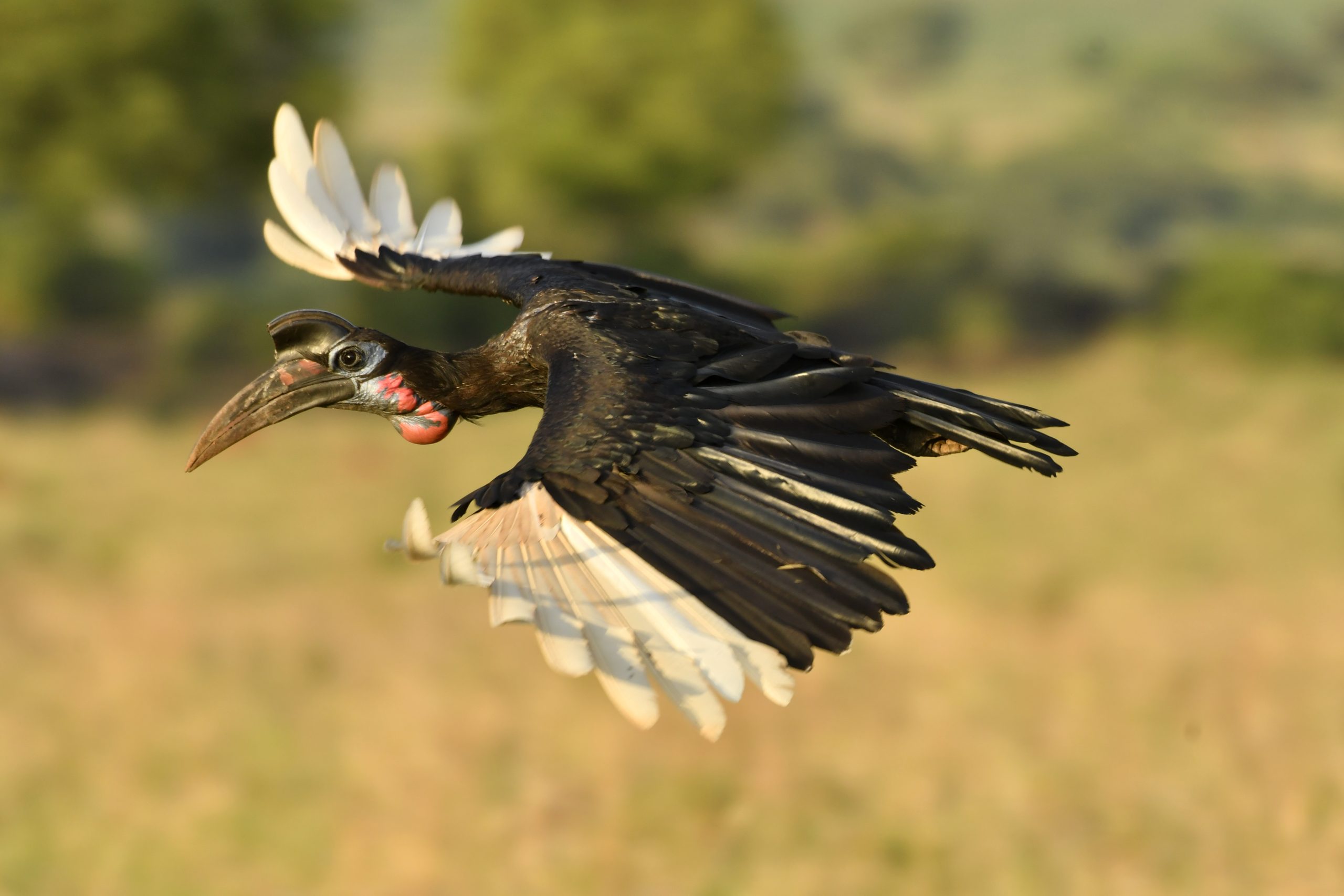
Uganda Birding Seasons
Uganda Birding Seasons
Uganda Birding Seasons: The Ultimate Guide for Bird Watching Safaris in Uganda
Uganda is one of Africa’s top birding destinations, offering incredible opportunities to spot more than 1,090 bird species across its diverse ecosystems. From tropical rainforests and wetlands to savannah parks and mountain ranges, the country attracts bird lovers from all over the world. Understanding Uganda’s birding seasons is essential for planning a rewarding safari experience filled with rare sightings, migratory species, and unforgettable nature encounters.
Whether you are a professional birder, wildlife photographer, or nature enthusiast, Uganda provides year round bird watching adventures. With the expertise of Turkana Wildlife Safaris Uganda, travelers can explore the best birding hotspots while enjoying personalized safari experiences across East Africa.
Why Uganda Is a Birding Paradise
Uganda’s unique location within the Albertine Rift Valley gives it one of the richest bird populations in Africa. The country combines East African savannah species with Central African forest birds, creating unmatched biodiversity.
Birders visiting Uganda can expect to encounter:
- Shoebill Stork
- African Green Broadbill
- Great Blue Turaco
- African Fish Eagle
- Fox’s Weaver
- Shelley’s Crimsonwing
- Grey Crowned Crane
- Numerous migratory species
Popular birding destinations include:
- Bwindi Impenetrable National Park
- Kibale Forest National Park
- Queen Elizabeth National Park
- Murchison Falls National Park
- Mabamba Swamp
- Semuliki National Park
- Lake Mburo National Park
Uganda Birding Seasons
Uganda is a year-round birding destination, but different seasons offer unique experiences. The country mainly experiences two dry seasons and two wet seasons.
1. Peak Birding Season (November to April)
The best birding season in Uganda occurs between November and April. During this period, migratory birds from Europe and North Africa arrive in Uganda, increasing bird diversity significantly.
Highlights of the Season
- Presence of migratory bird species
- Excellent photography conditions
- Active breeding plumage among resident birds
- High chances of spotting rare forest birds
- Comfortable temperatures for birding walks
Best Places to Visit
Mabamba Swamp
Famous for the elusive Shoebill Stork and numerous wetland birds.
Bwindi Impenetrable Forest
Ideal for Albertine Rift endemics and forest species.
Queen Elizabeth National Park
Offers savannah birds, water birds, and raptors.
Murchison Falls National Park
Excellent for Nile River bird species and open savannah sightings.
2. Wet Season Birding (March to May & September to November)
The rainy seasons are surprisingly productive for birding enthusiasts. During this time, birds are highly active due to breeding activities and abundant food sources.
Advantages of Birding During Wet Seasons
- Fewer tourists
- Lush green landscapes
- Birds display vibrant breeding colors
- Better opportunities for nesting observations
- Reduced safari costs
Challenges
- Some roads may become muddy
- Forest trails can be slippery
- Rain showers may interrupt activities temporarily
Despite these challenges, experienced guides from Turkana Wildlife Safaris Uganda help visitors maximize their birding experiences during rainy months.
3. Dry Season Birding (June to August & December to February)
The dry season is ideal for combining birding with wildlife safaris. Vegetation is thinner, making bird spotting easier, especially in savannah parks.
Benefits of the Dry Season
- Easier access to national parks
- Better road conditions
- Ideal for game drives and boat safaris
- Excellent wildlife viewing opportunities
- Clear skies for photography
Recommended Parks
- Lake Mburo National Park
- Kidepo Valley National Park
- Queen Elizabeth National Park
- Murchison Falls National Park
During this season, birders can also combine their tours with gorilla trekking and chimpanzee tracking adventures.
Best Birding Destinations in Uganda
Bwindi Impenetrable National Park
Bwindi is home to over 350 bird species, including many Albertine Rift endemics. It is considered one of Africa’s best forest birding destinations.
Key Species
- African Green Broadbill
- Handsome Francolin
- Shelley’s Crimsonwing
- Grauer’s Warbler
Mabamba Swamp
Located near Entebbe, Mabamba Swamp is globally known for Shoebill Stork sightings.
Key Species
- Shoebill Stork
- Papyrus Gonolek
- Blue Swallow
- Malachite Kingfisher
Queen Elizabeth National Park
This park hosts over 600 bird species, making it one of the richest birding areas in East Africa.
Key Species
- Martial Eagle
- African Skimmer
- Pink backed Pelican
- Grey Crowned Crane
Kibale Forest National Park
Known for primates and forest birds, Kibale offers excellent birding opportunities within tropical rainforest habitats.
Key Species
- Green-breasted Pitta
- Yellow-spotted Barbet
- African Pitta
- Crowned Eagle
Tips for Bird Watching in Uganda
Carry Essential Birding Gear
Bring:
- Binoculars
- Camera with zoom lens
- Field guidebook
- Waterproof clothing
- Hiking boots
Hire Experienced Birding Guides
Professional guides improve species identification and help locate rare birds efficiently.
Start Birding Early
Bird activity is highest in the early morning and late afternoon.
Be Patient and Quiet
Birding requires calm observation and patience for rewarding sightings.
Why Choose Turkana Wildlife Safaris Uganda for Birding Safaris
Choosing the right safari company significantly enhances your birding adventure. Turkana Wildlife Safaris Uganda offers customized birding tours designed for beginners, photographers, and professional birders alike.
What They Offer
- Experienced local birding guides
- Tailor-made itineraries
- Affordable and luxury safari options
- Gorilla trekking and wildlife combinations
- Comfortable safari vehicles
- East African safari extensions
Their local expertise helps travelers discover hidden birding gems while enjoying Uganda’s incredible wildlife and landscapes.
Frequently Asked Questions (FAQs)
What is the best month for birding in Uganda?
The best months are generally from November to April when migratory birds are present and resident birds are active in breeding plumage.
Can I see the Shoebill Stork in Uganda?
Yes. Uganda is one of the best places in Africa to see the Shoebill Stork, especially in Mabamba Swamp near Entebbe.
Is Uganda good for beginner birders?
Absolutely. Uganda offers easy birding opportunities with experienced guides, making it suitable for both beginners and experienced bird watchers.
How many bird species are found in Uganda?
Uganda hosts over 1,090 bird species, representing nearly 50% of Africa’s bird population.
Can birding be combined with gorilla trekking?
Yes. Many travelers combine bird watching with gorilla trekking, chimpanzee tracking, and wildlife safaris.
What should I pack for a Uganda birding safari?
Essential items include binoculars, a camera, waterproof clothing, insect repellent, hiking shoes, and lightweight clothing.
Are birding safaris available year-round?
Yes. Uganda is a year-round birding destination, although different seasons provide different birding experiences.
Conclusion
Uganda remains one of the finest birding destinations in Africa, offering spectacular biodiversity, rare bird species, and breathtaking natural landscapes throughout the year. Whether you visit during the wet season for breeding activity or the dry season for easier wildlife viewing, Uganda promises unforgettable bird watching adventures.
From the mysterious Shoebill Stork in Mabamba Swamp to the colorful Albertine Rift endemics in Bwindi Forest, every birding safari reveals something extraordinary. By traveling with Turkana Wildlife Safaris Uganda, visitors can enjoy expertly guided experiences tailored to their interests, ensuring memorable encounters with Uganda’s incredible birdlife and wildlife heritage.