
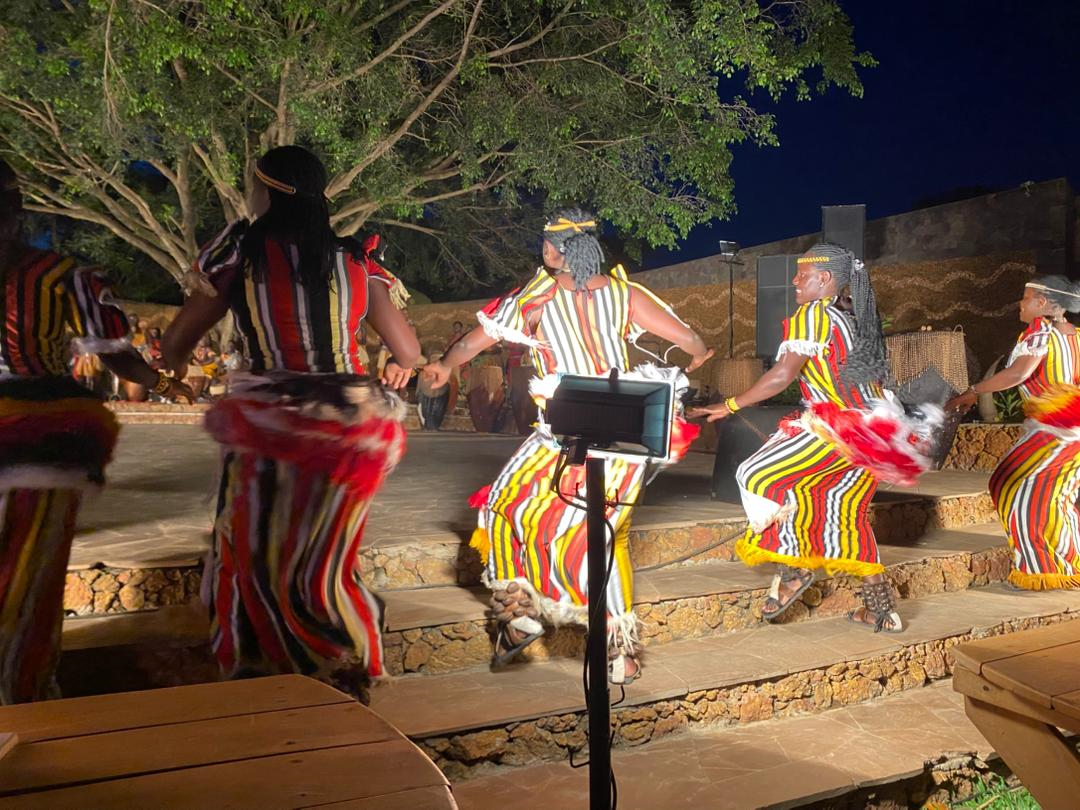
Uganda Culture Tours
Uganda Culture Tours
Uganda Culture Tours: A Deep Guide to Heritage, Community Visits, and Authentic Experiences
Uganda is often introduced through its rainforests, gorilla trekking, and savannah wildlife. Yet the country’s most enduring treasure may be its living cultural heritage—a mosaic of kingdoms, clans, languages, music, craft traditions, and community rhythms that continue to shape everyday life. The best Uganda culture tours go beyond performances: they create respectful opportunities to learn, listen, and connect.
If you’re planning a trip that balances meaningful encounters with responsible travel, a specialized operator such as Turkana Wildlife Safaris can help design an itinerary that blends cultural immersion with classic nature highlights.
Why Choose a Uganda Cultural Tour?
A well-curated cultural journey in Uganda offers something that standard sightseeing cannot: context.
- Understand the histories behind Uganda’s kingdoms and communities
- Explore craft economies (weaving, bark cloth, beadwork, blacksmithing)
- Learn about foodways—millet bread, matooke, groundnut stews, fermented drinks
- Meet community guides and cultural custodians, not just “performers”
- Support local initiatives (homestays, women’s groups, cooperatives)
For trip planning inspiration and tailored safari add-ons, visit Turkana Wildlife Safaris.
Uganda’s Cultural Regions: What You Can Experience
Uganda’s cultural landscape is diverse. Your route often determines what you’ll see and learn.
Central Uganda (Buganda and Surrounds)
Central Uganda is deeply linked to the Buganda Kingdom, known for court traditions, clan systems, and iconic architectural sites.
Highlights may include:
- Cultural landmarks around Kampala and Wakiso
- Traditional music and dance styles (e.g., drums, xylophones, call-and-response vocals)
- Market life and food tastings (matooke-based cuisine, street snacks)
If your itinerary starts in Kampala or Entebbe, consider pairing cultural visits with a wildlife extension via a safari planner like Turkana Wildlife Safaris.
Western Uganda (Tooro, Bunyoro, and Great Lakes Cultures)
Western Uganda combines crater-lake scenery with cultural identity shaped by kingdoms and cattle culture.
What travelers often love here:
- Community storytelling and oral history
- Homestead visits and local cooking demonstrations
- Traditional crafts and instrument-making
Western routes also pair well with primate trekking and park visits—ask Turkana Wildlife Safaris to blend cultural days with nature experiences.
Eastern Uganda (Busoga, Sipi Slopes, and Cultural Diversity)
Eastern Uganda offers a mix of languages and traditions, plus strong coffee culture around Mount Elgon.
Popular cultural angles:
- Coffee farm-to-cup experiences
- Dance groups and cultural centers
- Community walks and artisan workshops
Northern and Northeastern Uganda (Acholi, Lango, Karamojong)
Northern Uganda adds depth for travelers seeking cultural resilience and lesser-visited landscapes. The Karamoja region in particular is known for pastoral heritage and distinctive aesthetics.
Experiences might include:
- Village visits guided by community elders
- Cultural exchanges centered on pastoral life
- Local crafts, adornment traditions, and storytelling
Work with an experienced operator to ensure visits are ethical and community-approved—start with Turkana Wildlife Safaris.
Signature Uganda Cultural Experiences to Add to Your Trip
1) Community-Guided Cultural Walks
The best way to understand daily life is to move at walking pace. A guide from the community can interpret what you’re seeing—gardens, homes, water points, places of worship, and local enterprises.
Look for walks that include:
- A clear community fee structure
- Small group sizes
- Opportunities to ask questions respectfully
2) Traditional Food Experiences
Food is culture made edible. A cooking visit can be more intimate than a performance—and it supports households directly when done well.
Possible tastings or activities:
- Matooke preparation (steaming in banana leaves)
- Groundnut sauce making
- Local market sourcing
- Tea and coffee experiences (especially eastern Uganda)
3) Craft and Artisan Encounters
Uganda’s crafts are not souvenirs; they are skills passed down through generations.
Common workshop themes:
- Basket weaving and beadwork
- Bark cloth making (central Uganda heritage)
- Pottery and wood carving
- Drum-making and musical instrument demonstrations
4) Music, Dance, and Storytelling (Done Right)
Cultural performances can be valuable when they are contextualized—where do the dances come from, what do songs mean, what is the significance of instruments?
Choose programs that:
- Explain meaning and origin
- Involve community-run groups
- Avoid exploitative “human zoo” staging
5) Cultural Sites and Heritage Landmarks
Uganda’s heritage includes spiritual sites, royal histories, and memorial spaces. Visiting with a knowledgeable guide transforms them from “places” into narratives.
How to Plan an Ethical Uganda Culture Tour
Cultural tourism should be dignified, consensual, and fair. Use these principles:
- Consent first: communities should want visitors and set boundaries
- Pay fairly: ensure fees reach local groups, guides, and hosts
- Avoid staged poverty: choose experiences focused on exchange, not spectacle
- Photography etiquette: ask before shooting portraits or ceremonies
- Buy local: crafts and services directly from makers when possible
A strong tour operator helps manage permissions and ensures benefits are shared. If you want a custom itinerary, start with Turkana Wildlife Safaris.
Sample Itineraries (Culture-First Options)
5-Day Culture & City-to-Village Snapshot
- Day 1: Kampala cultural landmarks + market experience
- Day 2: Central Uganda heritage site + cooking visit
- Day 3: Transfer to western Uganda + community walk
- Day 4: Craft workshop + storytelling evening
- Day 5: Return / optional nature add-on
8–10 Days: Culture + Signature Nature Pairing
- Central heritage immersion
- Western cultural communities
- Add-on: national park safari or primate tracking
To combine both seamlessly, consult Turkana Wildlife Safaris.
12–14 Days: Grand Cultural Circuit
- Central + Eastern coffee culture + Northern heritage route
- Multiple homestays or community lodges
- Optional wildlife highlights
This is where planning expertise matters most—Turkana Wildlife Safaris can help structure distances and pacing.
Best Time for Uganda Culture Tours
Cultural travel is year-round, but weather affects road quality and comfort.
- Drier months: typically easier logistics and walking tours
- Rainy seasons: greener scenery, but some routes may be slower
If you’re pairing cultural travel with parks and trekking, coordinate seasons carefully.
What to Pack for Cultural Visits
- Modest, breathable clothing (cover shoulders/knees when appropriate)
- A light rain jacket
- Slip-on shoes (some visits involve removing footwear)
- A small notebook (people love being listened to)
- A camera with respect—ask before photographing
FAQs: Uganda Culture Tours
1) Are Uganda cultural tours suitable for families?
Yes—many community walks, craft workshops, and food visits are family-friendly. Choose shorter activities and confirm what’s appropriate for children.
2) Can I combine cultural tourism with gorilla trekking or a safari?
Absolutely. Many travelers do culture in central or western Uganda and then add wildlife experiences. A planner like Turkana Wildlife Safaris can combine both efficiently.
3) What’s the most respectful way to take photos during cultural visits?
Always ask first, especially for close portraits, ceremonies, and inside homes. If someone says no, accept it gracefully.
4) Do cultural tours directly benefit local communities?
They can—if structured transparently. Choose tours with clear community fees, local guides, and locally owned enterprises.
5) How many days do I need for a meaningful cultural experience in Uganda?
Even 2–3 days can be meaningful, but 7–10 days allows deeper engagement across regions and reduces the “checklist” feeling.