
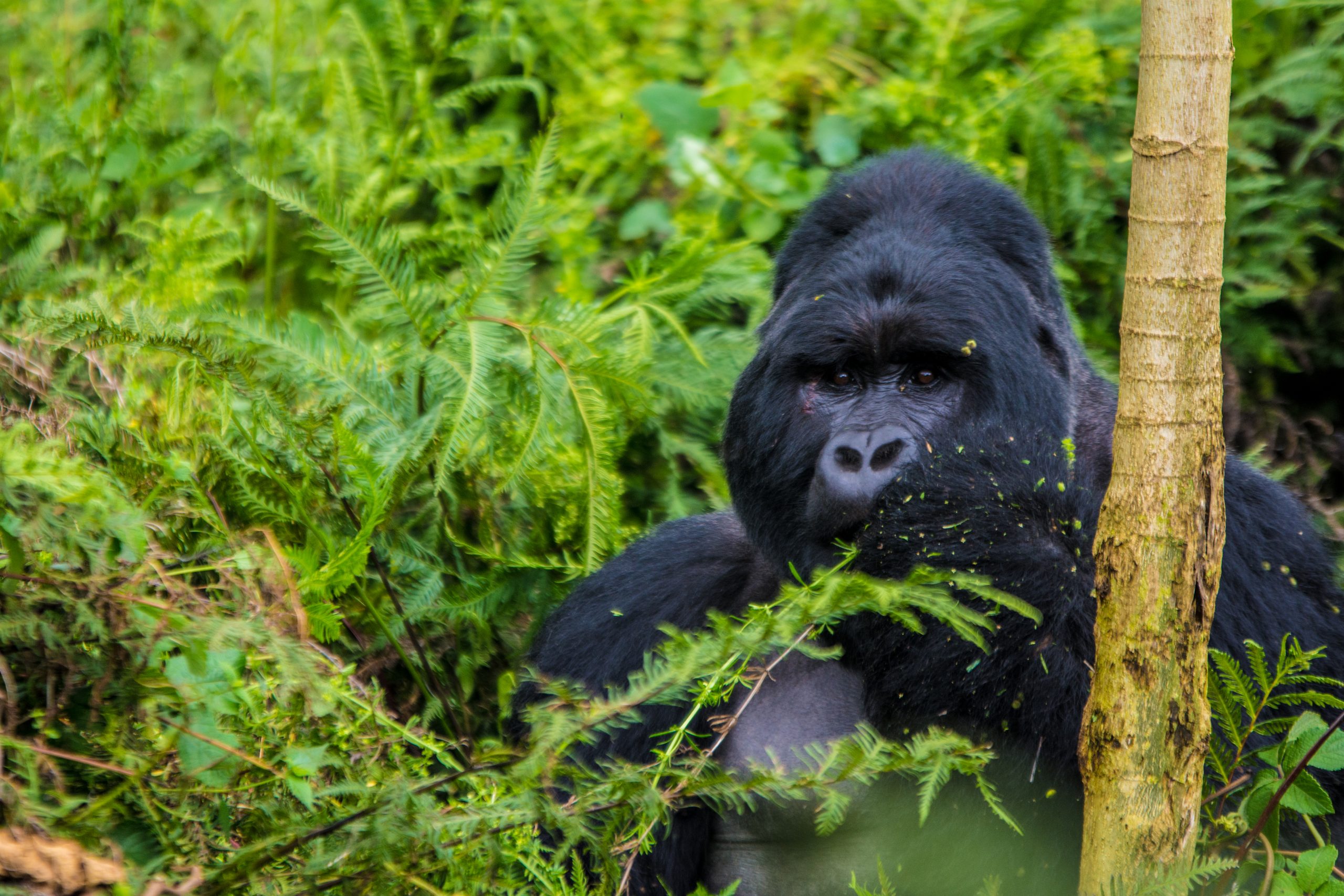
Uganda Gorilla Photography Safari
Uganda Gorilla Photography Safari
Uganda Gorilla Photography Safari: A Complete Guide to Capturing the Majestic Primates in the Wild
Introduction
Uganda, often referred to as the “Pearl of Africa”, is home to some of the most breathtaking landscapes and rare wildlife experiences on the continent. Among its most iconic attractions is the opportunity to embark on a gorilla photography safari, a once-in-a-lifetime adventure that allows photographers and nature lovers to get up close with the endangered mountain gorillas in their natural habitat.
This comprehensive guide explores everything you need to know about a Uganda gorilla photography safari—from the best parks and seasons to visit, to essential gear, ethical considerations, and how to make the most of your trip. Whether you’re a professional wildlife photographer or a passionate traveler with a camera, this article will equip you with the knowledge to capture stunning images while respecting the delicate ecosystem of these magnificent creatures.
Why Choose Uganda for Gorilla Photography?
Uganda is one of only three countries in the world where you can see mountain gorillas in the wild, the others being Rwanda and the Democratic Republic of Congo. However, Uganda stands out for several reasons:
- Home to Over Half the World’s Mountain Gorillas: Uganda’s Bwindi Impenetrable National Park alone hosts nearly half of the remaining mountain gorilla population.
- Affordable Permits: Compared to Rwanda, Uganda offers more budget-friendly gorilla trekking permits.
- Diverse Habitats: From the dense forests of Bwindi to the misty slopes of Mgahinga Gorilla National Park, Uganda offers a variety of scenic backdrops for photography.
Best Time for Gorilla Photography in Uganda
Dry Seasons (June to September and December to February)
- Ideal Lighting Conditions: Clear skies and less rainfall make for better photography.
- Easier Trekking: Trails are less muddy, making it easier to carry equipment.
- Higher Visibility: Gorillas are more active and visible during dry months.
Wet Seasons (March to May and October to November)
- Lush Greenery: The forest is at its most vibrant, offering rich backgrounds.
- Fewer Tourists: Enjoy a more intimate experience with fewer crowds.
- Discounted Rates: Some tour operators offer lower prices during the off-season.
Top Destinations for Gorilla Photography in Uganda
1. Bwindi Impenetrable National Park
A UNESCO World Heritage Site, Bwindi is the crown jewel of Uganda’s gorilla tourism. It is home to over 20 habituated gorilla families, making it the most accessible and diverse location for photography.
Highlights:
- Dense, misty forests create a dramatic backdrop.
- Multiple trailheads (Buhoma, Ruhija, Rushaga, and Nkuringo) offer varied trekking experiences.
- Opportunities for gorilla habituation experiences—spend up to 4 hours with a gorilla family.
2. Mgahinga Gorilla National Park
Located in the Virunga Mountains, this park offers a more intimate and less crowded alternative to Bwindi.
Highlights:
- Stunning volcanic landscapes.
- Home to the Nyakagezi gorilla group, known for their playful behavior.
- Ideal for combining gorilla trekking with golden monkey photography.
What to Expect on a Gorilla Photography Safari
The Trek
- Duration: Treks can last from 30 minutes to 6 hours depending on the gorilla family’s location.
- Terrain: Steep, muddy, and densely forested—physical fitness is essential.
- Group Size: Limited to 8 people per gorilla group to minimize disturbance.
The Encounter
- Time Limit: You are allowed one hour with the gorillas.
- Distance: Maintain a distance of at least 7 meters for safety and conservation.
- Behavior: Gorillas are generally peaceful but can be unpredictable—follow your guide’s instructions.
Photography Tips for Capturing Gorillas
Essential Gear
- Camera: DSLR or mirrorless with fast autofocus and good low-light performance.
- Lens: 70-200mm is ideal; consider a 24-70mm for wider shots.
- Tripod: Lightweight and portable; monopods are also useful.
- Rain Protection: Waterproof bags and lens covers are a must.
Camera Settings
- ISO: Start at 800 and adjust based on light conditions.
- Shutter Speed: Minimum 1/250s to freeze motion.
- Aperture: f/4 to f/5.6 for a good balance of depth and light.
- Focus Mode: Continuous autofocus (AI-Servo or AF-C).
Composition Tips
- Focus on the eyes to capture emotion.
- Use natural frames like foliage for depth.
- Capture interactions between gorillas for storytelling.
Ethical Photography Practices
- No Flash: Flash photography is strictly prohibited.
- Respect Boundaries: Never attempt to touch or feed the gorillas.
- Minimize Noise: Keep conversations low and avoid sudden movements.
- Leave No Trace: Carry out all waste and avoid disturbing the habitat.
Booking Your Uganda Gorilla Photography Safari
Choosing the Right Tour Operator
Partnering with a reputable safari company is crucial for a successful experience. Turkana Wildlife Safaris offers expertly guided gorilla photography safaris tailored to your needs.
Why Choose Turkana Wildlife Safaris?
- Experienced guides with deep knowledge of gorilla behavior.
- Customized itineraries for photographers.
- Ethical and sustainable tourism practices.
- Excellent customer reviews and safety record.
Sample Itinerary
Day 1: Arrival in Entebbe
Day 2: Transfer to Bwindi Impenetrable Forest
Day 3: Gorilla trekking and photography
Day 4: Optional second trek or cultural experience
Day 5: Return to Entebbe and departure
Other Wildlife Photography Opportunities in Uganda
While gorillas are the main attraction, Uganda offers a wealth of other photographic subjects:
- Chimpanzees in Kibale Forest
- Tree-climbing lions in Queen Elizabeth National Park
- Shoebill storks in Mabamba Swamp
- Elephants and buffalo in Murchison Falls National Park
Explore Uganda wildlife safaris to plan a comprehensive photography tour.
Packing List for a Gorilla Photography Safari
Photography Gear
- DSLR or mirrorless camera
- Telephoto and wide-angle lenses
- Extra batteries and memory cards
- Lens cleaning kit
- Rain covers
Personal Items
- Sturdy hiking boots
- Lightweight rain jacket
- Long-sleeve shirts and pants
- Insect repellent
- Reusable water bottle
Conservation and Community Impact
Gorilla tourism plays a vital role in conservation. A portion of every permit fee goes toward protecting gorilla habitats and supporting local communities.
Community Benefits:
- Employment for local guides and porters
- Investment in schools and health centers
- Support for community-based tourism initiatives
By choosing a responsible operator like Turkana Wildlife Safaris, you contribute to the long-term survival of mountain gorillas and the well-being of surrounding communities.
Frequently Asked Questions (FAQ)
1. How much does a gorilla photography safari in Uganda cost?
The cost varies based on the duration and level of luxury. On average:
- Gorilla permit: $800 per person
- Mid-range safari (5 days): $2,000–$3,500
- Luxury safari: $4,000+
Check Turkana Wildlife Safaris packages for detailed pricing.
2. Is it safe to trek with gorillas?
Yes, gorilla trekking is safe when conducted by experienced guides. The gorillas are habituated to human presence and are closely monitored by park authorities.
3. What is the age limit for gorilla trekking?
The minimum age for gorilla trekking in Uganda is 15 years. This ensures safety and minimizes stress on the animals.
4. Can I combine gorilla trekking with other safaris?
Absolutely. Uganda offers diverse landscapes and wildlife. You can combine gorilla trekking with:
- Big Five safaris
- Birdwatching tours
- Cultural experiences
5. How far in advance should I book?
It’s recommended to book at least 6 months in advance, especially during peak seasons. Permits are limited and sell out quickly.
Conclusion
A Uganda gorilla photography safari is more than just a travel experience—it’s a profound journey into the heart of Africa’s wild beauty. With the right preparation, ethical approach, and expert guidance from trusted operators like Turkana Wildlife Safaris, you can capture unforgettable images while contributing to the conservation of one of the planet’s most endangered species.
Whether you’re drawn by the allure of the misty mountains, the soulful eyes of a silverback, or the thrill of the trek, Uganda promises a photographic adventure like no other.