
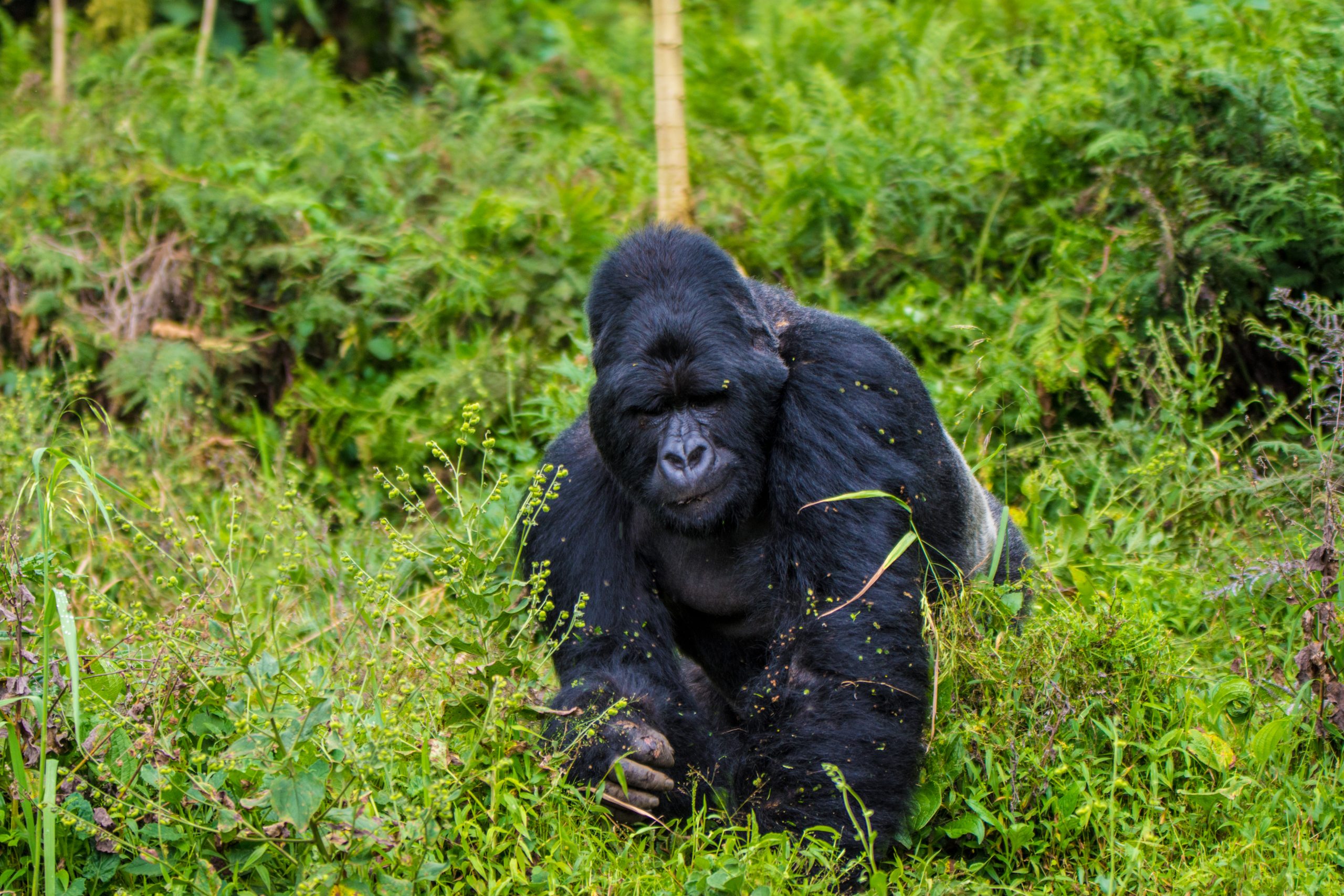
Uganda Gorilla Tracking
Uganda Gorilla Tracking
Uganda Gorilla Tracking, A Complete Expert Guide to Permits, Best Parks, Seasons, Costs, and Ethical Encounters
Uganda is one of the few places on Earth where you can come face-to-face with wild mountain gorillas in their natural rainforest habitat. Done responsibly, gorilla tracking is more than a bucket-list activity, it’s a powerful conservation engine, supporting protected areas and local livelihoods while offering an encounter that reshapes how you see nature.
This in-depth guide explores everything you need to plan a successful Uganda gorilla tracking experience: where to go, how permits work, when to travel, what it costs, what to pack, how to stay healthy and safe, and how to choose ethical operators. You’ll also find practical planning tips plus FAQs at the end.
Why Uganda Is a Top Destination for Gorilla Tracking
Uganda combines remarkable biodiversity, strong conservation frameworks, and accessible protected areas. Compared with some neighboring options, it often provides a balanced mix of cost, logistics, and overall safari variety.
Key reasons travelers choose Uganda:
- Well-managed gorilla tourism in protected forests
- Two major gorilla regions with different landscapes and access points
- Opportunities to combine trekking with classic safari wildlife, birding, and cultural experiences
- A conservation model where tourism revenue supports park management and communities
If you’re planning a structured itinerary, a specialist operator can help coordinate permits, lodges, and transfers—see options at Turkana Wildlife Safaris.
Where to Go for Uganda Gorilla Tracking (Best Parks)
Uganda’s gorilla tracking happens primarily in two national parks. Both are excellent—your choice usually comes down to logistics, terrain preferences, and the overall itinerary.
1) Bwindi Impenetrable National Park
Bwindi Impenetrable National Park is Uganda’s flagship gorilla destination and a UNESCO World Heritage site. It hosts multiple habituated gorilla families and offers varied trekking routes across several sectors.
Why Bwindi stands out
- High concentration of habituated gorilla groups
- Multiple trailheads and lodging clusters
- Great add-on activities: community walks, birding, forest hikes
Bwindi trekking sectors (commonly used)
- Buhoma
- Ruhija
- Rushaga
- Nkuringo
Each sector differs in road access, elevation, and lodge style. If you’re building a multi-stop safari, a tour planner can match your sector to your route and comfort preferences via Turkana Wildlife Safaris.
2) Mgahinga Gorilla National Park
Mgahinga Gorilla National Park is smaller and more intimate, tucked into the Virunga ranges. It’s ideal if you love dramatic volcanic scenery and want to combine gorilla tracking with other unique hikes.
Why Mgahinga may be perfect
- Often fewer crowds due to limited permits
- Stunning volcano backdrops
- Great for pairing with the golden monkey trek
Gorilla Permits: What They Are and How They Work
A gorilla permit is required for every person who tracks gorillas. It funds conservation, ranger programs, and community initiatives, and it regulates daily visitor numbers.
What a gorilla permit typically includes
- Park entry for the gorilla tracking activity
- Ranger guides and trackers
- One hour with gorillas (once you locate the group)
- Security and safety protocols in the forest
Key permit rules (high level)
- Limited permits per day per gorilla group
- Minimum age requirement (commonly 15+)
- Strict health and behavior rules to protect gorillas
For current permit availability and trip logistics, you can coordinate bookings through a safari operator such as Turkana Wildlife Safaris.
Best Time for Gorilla Tracking in Uganda (Seasons & Weather)
Uganda is a year-round destination, but trail conditions vary seasonally.
Dry seasons (often preferred)
- Generally better trail conditions
- Less mud and easier footing
- Photography can be simpler due to more stable weather
Wet seasons (often underrated)
- Lush scenery and fewer visitors
- Potentially better permit availability
- Can be excellent for birding
Practical takeaway: Choose your timing based on your comfort with hiking conditions. If you prefer a more predictable trek, aim for drier months; if you want fewer crowds and don’t mind mud, shoulder or wet seasons can be rewarding.
How Difficult Is Gorilla Tracking? Fitness and Trek Expectations
Gorilla tracking isn’t technical mountaineering, but it can be physically demanding.
What influences difficulty:
- Gorilla group location that day (they move daily)
- Terrain: steep slopes, dense vegetation, slippery mud
- Altitude and humidity
- Pace of your group
Typical trek pattern
- Early morning briefing at park headquarters
- Drive to trailhead (sometimes short, sometimes longer)
- Trek begins: may be 30 minutes or several hours
- Once you find gorillas: one hour observation window
- Return hike and exit
To improve your experience:
- Do moderate cardio before your trip
- Train on stairs or hills if possible
- Bring trekking poles (or hire locally)
What to Pack for Gorilla Tracking (Essential Checklist)
Packing smart improves comfort and helps you focus on the experience.
Clothing and gear
- Long-sleeve shirt and long pants (forest protection)
- Waterproof jacket or poncho
- Sturdy hiking boots with grip
- Gaiters (very helpful in mud)
- Hat and light gloves (for vegetation, not for touching wildlife)
Useful extras
- Refillable water bottle or hydration system
- High-energy snacks
- Insect repellent
- Dry bag for camera/phone
- Binoculars (optional, but great for birds)
Photography tips
- Bring a camera that performs well in low light (rainforest shade)
- Avoid flash
- Use a fast lens if possible; stabilize for sharper shots
For guided packing guidance tailored to your itinerary, see planning support at Turkana Wildlife Safaris.
Ethical Gorilla Tracking: Rules That Matter
Gorillas are susceptible to human respiratory illnesses and stress. Responsible trekking protects them.
Core ethical principles:
- Keep a respectful distance (follow ranger instructions)
- Do not trek if you’re sick
- Never touch gorillas
- Keep voices low; move calmly
- No flash photography
- Follow all ranger guidance—always
Why these rules exist
- Mountain gorillas share much of our DNA, making disease transmission a serious risk
- Stress can affect group dynamics and health
- Controlled tourism supports long-term protection when done correctly
Choosing experienced, conservation-minded operators helps ensure best practices—consider vetted itineraries from Turkana Wildlife Safaris.
Costs: What Uganda Gorilla Tracking Typically Involves
Your overall budget depends on several moving parts:
Main cost components
- Gorilla permit
- Park fees (where applicable)
- Accommodation level (budget / midrange / luxury)
- Transport (4×4, driver-guide, domestic flights)
- Meals and bottled water
- Tips for guides/trackers/porters
Money-saving strategies (without cutting corners)
- Travel in shoulder season
- Choose midrange lodges with strong reviews
- Combine activities efficiently to reduce transfer days
- Book early to secure preferred sectors and lodging
If you want a curated cost breakdown for your preferred style, request a tailored quote through Turkana Wildlife Safaris.
How to Get There: Routes and Transfers
Uganda gorilla parks are reachable by road or, in some cases, by domestic flights plus transfers.
Common logistics
- Arrive via Entebbe (international gateway)
- Road transfers to southwestern Uganda (often split with stops)
- Optional: include Lake Mburo, Queen Elizabeth, or other parks en route
A well-built route reduces fatigue and maximizes time in nature. For itinerary design and transport support, see Turkana Wildlife Safaris.
Adding More to Your Trip: Safari Combos That Work Beautifully
Many travelers combine gorillas with other highlights for a fuller Uganda experience.
Popular combinations:
- Gorilla tracking + Queen Elizabeth National Park (tree-climbing lions, boat cruises)
- Gorilla tracking + Lake Mburo (zebra, antelope, walking safaris)
- Gorilla tracking + chimpanzee tracking (Kibale Forest)
- Gorilla tracking + cultural/community visits near Bwindi
For multi-park safari planning, browse itinerary ideas at Turkana Wildlife Safaris.
FAQs (Uganda Gorilla Tracking)
1) How long do you spend with the gorillas?
You typically get one hour with the gorillas once the group is located, under ranger supervision.
2) Is Uganda gorilla tracking safe?
Yes, when conducted through official park systems with ranger guides. Safety protocols are strict, and gorilla groups are habituated for tourism.
3) Do I need to be very fit to do the trek?
You don’t need to be an athlete, but a decent fitness level helps. Trek length and difficulty vary daily based on gorilla movement.
4) What should I wear for gorilla tracking?
Wear long sleeves, long pants, waterproof layers, and sturdy boots. Rainforest conditions can be wet, muddy, and cool at higher elevations.
5) Can I plan this as part of a longer safari itinerary?
Absolutely. Gorilla tracking is often combined with wildlife viewing and chimp tracking. For integrated planning, start with Turkana Wildlife Safaris.