
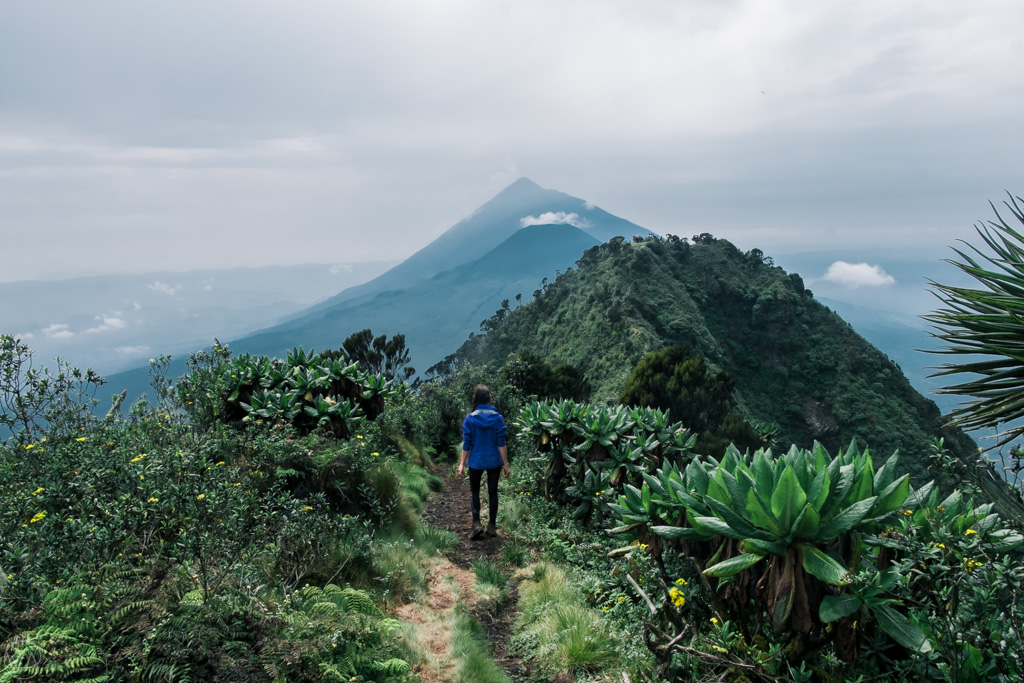
Uganda Hiking
Uganda Hiking
Uganda Hiking: Exploring the Pearl of Africa’s Majestic Trails
Uganda, often referred to as the Pearl of Africa, is a land of breathtaking landscapes, diverse ecosystems, and unparalleled natural beauty. For hiking enthusiasts, this East African gem offers some of the most rewarding trails in the world. From the towering Rwenzori Mountains to the rolling hills of Kigezi, Uganda is a haven for adventurers seeking to connect with nature. This article delves into the best hiking destinations in Uganda, tips for an unforgettable experience, and answers to frequently asked questions about hiking in this stunning country.
Why Uganda is a Hiker’s Paradise
Uganda’s diverse terrain makes it a dream destination for hikers. The country boasts:
- Mountain Ranges: The Rwenzori Mountains, also known as the “Mountains of the Moon,” offer challenging yet awe-inspiring hikes.
- National Parks: Uganda is home to 10 national parks, many of which feature hiking trails that showcase the country’s rich biodiversity.
- Waterfalls and Rivers: Trails like the Sipi Falls hike provide opportunities to explore cascading waterfalls and lush vegetation.
- Volcanic Peaks: The Virunga Volcanoes in southwestern Uganda are perfect for those looking to conquer extinct volcanic peaks.
- Cultural Experiences: Many trails pass through local villages, allowing hikers to interact with Uganda’s welcoming communities.
Top Hiking Destinations in Uganda
1. Rwenzori Mountains National Park
The Rwenzori Mountains, a UNESCO World Heritage Site, are one of Uganda’s most iconic hiking destinations. Known for their snow-capped peaks and unique flora, these mountains are ideal for experienced hikers.
- Highlights: Margherita Peak (5,109 meters), glacial lakes, and rare plant species.
- Difficulty: Challenging, requiring physical fitness and proper gear.
- Best Time to Visit: June to August and December to February.
For more information, visit the Rwenzori Mountains National Park.
2. Mount Elgon National Park
Located in eastern Uganda, Mount Elgon offers less strenuous hikes compared to the Rwenzoris. The park features the largest volcanic base in the world and stunning waterfalls.
- Highlights: Sipi Falls, Wagagai Peak (4,321 meters), and caves.
- Difficulty: Moderate, suitable for beginners and intermediate hikers.
- Best Time to Visit: Year-round, though the dry seasons (June-August, December-February) are ideal.
Explore more about Mount Elgon National Park.
3. Bwindi Impenetrable Forest
Famous for its gorilla trekking, Bwindi also offers incredible hiking opportunities. The forest’s dense vegetation and misty atmosphere create a magical experience.
- Highlights: Gorilla encounters, waterfalls, and birdwatching.
- Difficulty: Moderate to challenging, depending on the trail.
- Best Time to Visit: June to September and December to February.
Learn more about Bwindi Impenetrable Forest.
4. Mgahinga Gorilla National Park
This park is home to the Virunga Volcanoes, which straddle the borders of Uganda, Rwanda, and the Democratic Republic of Congo. Hiking here offers breathtaking views and the chance to explore extinct volcanic craters.
- Highlights: Mount Gahinga, Mount Sabyinyo, and Mount Muhabura.
- Difficulty: Moderate to challenging.
- Best Time to Visit: June to September and December to February.
Discover more about Mgahinga Gorilla National Park.
5. Sipi Falls
The Sipi Falls area, located near Mount Elgon, is perfect for short hikes that combine natural beauty with cultural experiences. The three waterfalls are surrounded by coffee plantations and offer stunning views.
- Highlights: Waterfalls, caves, and coffee tours.
- Difficulty: Easy to moderate.
- Best Time to Visit: Year-round.
Plan your visit to Sipi Falls.
Essential Tips for Hiking in Uganda
To make the most of your hiking adventure in Uganda, keep these tips in mind:
Packing Essentials
- Sturdy Hiking Boots: Trails can be rugged and slippery.
- Rain Gear: Uganda’s weather can be unpredictable, especially in the mountains.
- Layered Clothing: Temperatures vary depending on altitude.
- First Aid Kit: Always carry basic medical supplies.
- Snacks and Hydration: Bring enough water and energy-boosting snacks.
Safety Guidelines
- Always hire a local guide for safety and navigation.
- Inform someone of your hiking plans and expected return time.
- Avoid hiking alone, especially in remote areas.
- Respect wildlife and maintain a safe distance.
Best Times to Hike
Uganda’s dry seasons (June-August and December-February) are the best times for hiking. However, some trails, like those in Bwindi, can be hiked year-round.
FAQs About Hiking in Uganda
1. What is the best time to go hiking in Uganda?
The best time to hike in Uganda is during the dry seasons, from June to August and December to February. These months offer better trail conditions and clearer views.
2. Do I need a guide for hiking in Uganda?
Yes, hiring a local guide is highly recommended for safety, navigation, and cultural insights. Many trails, especially in national parks, require a guide.
3. Are there beginner-friendly hiking trails in Uganda?
Absolutely! Trails like those around Sipi Falls and Mount Elgon are suitable for beginners. These hikes offer stunning views without requiring advanced skills.
4. What should I pack for hiking in Uganda?
Key items include sturdy hiking boots, rain gear, layered clothing, a first aid kit, snacks, and plenty of water. For mountain hikes, additional gear like trekking poles may be helpful.
5. Can I combine hiking with other activities in Uganda?
Yes, Uganda offers a variety of activities that can complement your hiking adventure, such as gorilla trekking, wildlife safaris, and cultural tours.
Conclusion
Uganda’s hiking trails are as diverse as its landscapes, offering something for every adventurer. Whether you’re scaling the Rwenzori Mountains, exploring the lush forests of Bwindi, or marveling at the beauty of Sipi Falls, Uganda promises an unforgettable experience. With proper preparation and respect for the environment, your hiking adventure in the Pearl of Africa will be one for the books.