
Uganda kingdom customs
Uganda kingdom customs
Exploring the Rich Customs of the Kingdoms of Uganda
Introduction
Uganda, often referred to as the “Pearl of Africa,” is a country rich in cultural diversity and historical significance. The kingdoms of Uganda are an integral part of this cultural tapestry, each with its unique customs and traditions. These kingdoms, which include Buganda, Bunyoro, Toro, and Busoga, among others, have played a significant role in shaping the cultural landscape of the nation. In this article, we will delve into the fascinating customs of these kingdoms, exploring their historical roots, cultural practices, and their impact on modern Ugandan society.
The Historical Significance of Ugandan Kingdoms
The kingdoms of Uganda have a long and storied history, dating back centuries. These kingdoms were once powerful political entities, each with its own monarch and governing structure. The Buganda Kingdom, for example, is one of the oldest and most influential kingdoms in Uganda, with a history that stretches back to the 14th century. The kingdom’s customs and traditions have been passed down through generations, preserving the rich heritage of the Baganda people.
The Role of Monarchs
In the traditional Ugandan kingdoms, the monarch, or king, played a central role in the governance and cultural life of the kingdom. The king was not only a political leader but also a spiritual figure, believed to have a divine connection to the ancestors. This belief in the king’s divine authority was deeply ingrained in the customs of the kingdom and influenced various aspects of daily life.
Cultural Practices and Traditions
Each kingdom in Uganda has its own unique set of customs and traditions, which are often deeply rooted in the cultural identity of the people. These customs encompass a wide range of practices, from traditional ceremonies and rituals to art, music, and dance.
Traditional Ceremonies
One of the most significant aspects of Ugandan kingdom customs is the traditional ceremonies that mark important life events. These ceremonies often involve elaborate rituals and are attended by members of the community. For example, in the Buganda Kingdom, the “Kwanjula” ceremony is a traditional introduction ceremony where a groom is formally introduced to the bride’s family. This ceremony is a vital part of the marriage process and is steeped in cultural symbolism.
Music and Dance
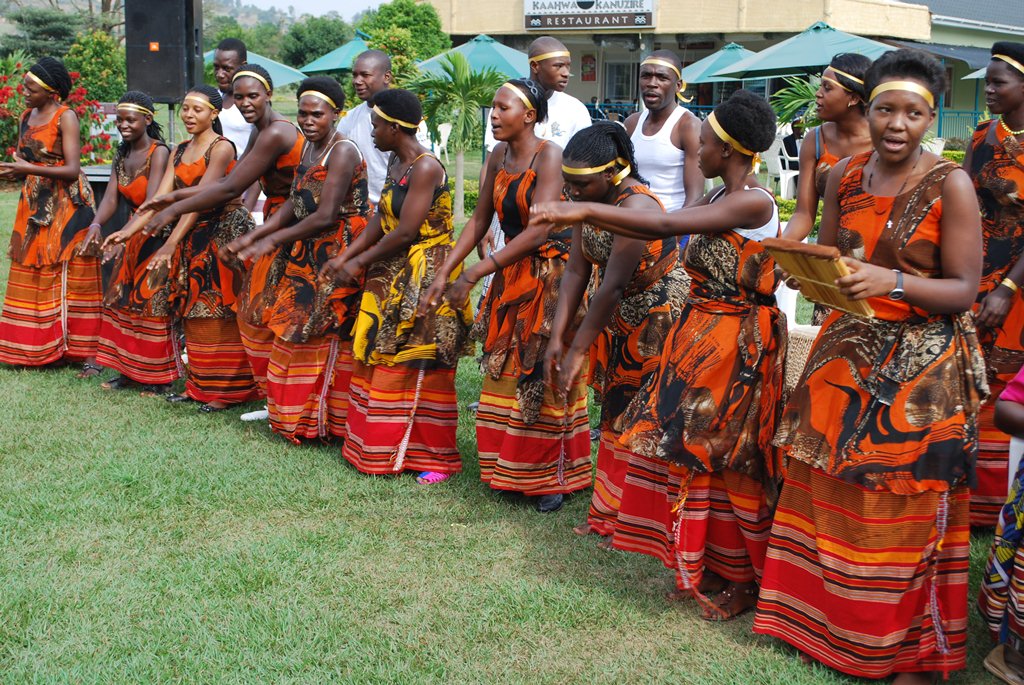
Music and dance are integral components of Ugandan kingdom customs. Each kingdom has its own traditional music and dance forms, which are often performed during ceremonies and celebrations. The Baganda people are known for their vibrant drumming and energetic dances, which are performed at various cultural events. These performances not only entertain but also serve as a means of preserving cultural heritage.
Art and Craftsmanship
Art and craftsmanship are also important aspects of Ugandan kingdom customs. Traditional crafts, such as basket weaving, pottery, and beadwork, are passed down through generations and are often used in everyday life as well as in ceremonial contexts. These crafts are not only functional but also serve as a form of artistic expression, reflecting the cultural identity of the kingdom.
The Impact of Modernization
While the customs of the Ugandan kingdoms have been preserved over the centuries, modernization and globalization have brought about significant changes. The influence of Western culture and the spread of technology have impacted traditional practices, leading to a blending of old and new customs.
Preservation Efforts
Despite these changes, there are ongoing efforts to preserve the customs and traditions of the Ugandan kingdoms. Cultural organizations and community leaders are working to document and promote traditional practices, ensuring that they are passed down to future generations. These efforts are crucial in maintaining the cultural heritage of the kingdoms and fostering a sense of identity and pride among the people.
The Role of Education
Education plays a vital role in preserving and promoting the customs of the Ugandan kingdoms. Schools and educational institutions are incorporating cultural studies into their curricula, teaching students about the history and traditions of their respective kingdoms. This education not only raises awareness but also encourages young people to take an active interest in their cultural heritage.
Conclusion
The customs of the kingdoms of Uganda are a testament to the rich cultural heritage of the nation. These customs, which have been preserved and passed down through generations, continue to play a significant role in shaping the cultural identity of the Ugandan people. While modernization has brought about changes, efforts to preserve and promote these traditions are ongoing, ensuring that the cultural legacy of the kingdoms remains alive for future generations.
FAQ
What are the main kingdoms in Uganda?
Uganda is home to several kingdoms, including Buganda, Bunyoro, Toro, and Busoga, among others. Each of these kingdoms has its own unique customs and traditions.
How do traditional ceremonies play a role in Ugandan kingdom customs?
Traditional ceremonies are an essential part of Ugandan kingdom customs, marking important life events and serving as a means of preserving cultural heritage. These ceremonies often involve elaborate rituals and are attended by members of the community.
How has modernization impacted the customs of Ugandan kingdoms?
Modernization and globalization have brought about changes in traditional practices, leading to a blending of old and new customs. Despite these changes, efforts to preserve and promote traditional customs are ongoing.
What role does education play in preserving Ugandan kingdom customs?
Education plays a crucial role in preserving and promoting the customs of the Ugandan kingdoms. Schools and educational institutions are incorporating cultural studies into their curricula, teaching students about the history and traditions of their respective kingdoms.
How are efforts being made to preserve Ugandan kingdom customs?
Cultural organizations and community leaders are working to document and promote traditional practices, ensuring that they are passed down to future generations. These efforts are crucial in maintaining the cultural heritage of the kingdoms and fostering a sense of identity and pride among the people.