
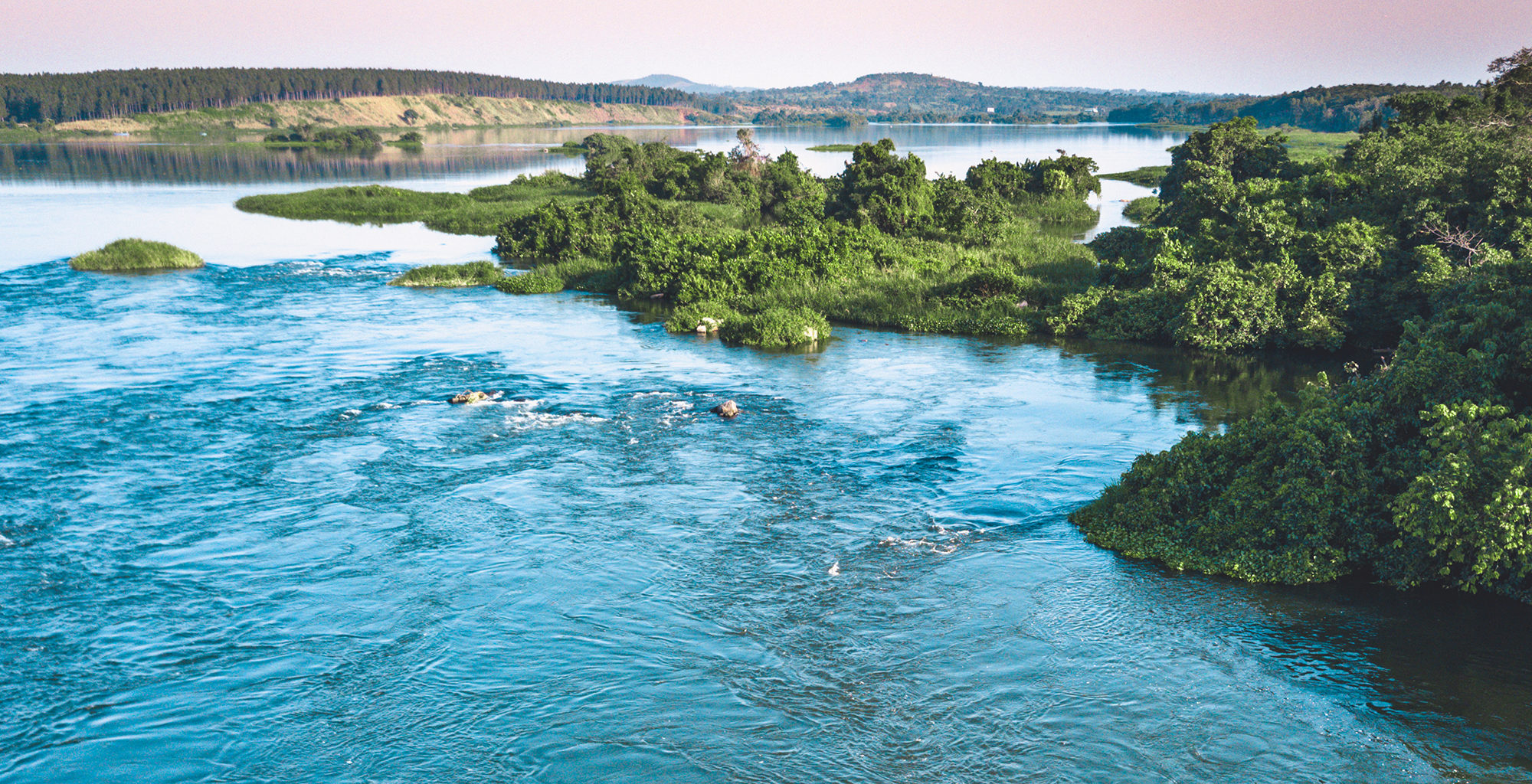
Uganda Lakes
Uganda Lakes
The Majestic Lakes of Uganda: A Complete Guide to the Pearl of Africa’s Water Bodies
Introduction
Uganda, often referred to as the “Pearl of Africa”, is a land of breathtaking landscapes, diverse wildlife, and an abundance of freshwater lakes. These lakes not only serve as vital ecosystems but also play a crucial role in the country’s economy, tourism, and culture. From the vast Lake Victoria to the hidden gems like Lake Bunyonyi, Uganda’s lakes offer a mix of adventure, tranquility, and ecological richness.
In this article, we will explore the most significant lakes in Uganda, their unique features, ecological importance, and the best activities you can enjoy in each.
Major Lakes in Uganda
1. Lake Victoria – The Largest Lake in Africa
Lake Victoria is the largest freshwater lake in Africa and the second-largest in the world by surface area. Shared by Uganda, Kenya, and Tanzania, this vast water body is a crucial resource for fishing, transport, and tourism.
Key Features:
- Covers approximately 68,800 square kilometers
- Home to over 200 fish species, including the famous Nile Perch
- Contains several islands, including Ssese Islands, a popular tourist destination
Activities:
- Fishing expeditions for Nile Perch and Tilapia
- Boat cruises to explore the islands
- Birdwatching, with species like the African Fish Eagle
- Water sports, including kayaking and sailing
2. Lake Albert – The Rift Valley Wonder
Located on the border between Uganda and the Democratic Republic of Congo, Lake Albert is part of the Great Rift Valley system. It is the seventh-largest lake in Africa and a significant source of fish for local communities.
Key Features:
- Covers about 5,300 square kilometers
- Fed by the Victoria Nile and Semliki River
- Supports a rich biodiversity, including hippos, crocodiles, and numerous fish species
Activities:
- Fishing for Nile Perch and Catfish
- Wildlife viewing along the shores in Murchison Falls National Park
- Boat safaris to explore the lake’s beauty
3. Lake Kyoga – The Shallow Freshwater Basin
Lake Kyoga is a shallow lake located in central Uganda, covering an area of approximately 1,720 square kilometers. It plays a crucial role in regulating the flow of the Victoria Nile.
Key Features:
- Average depth of about 4 meters
- Surrounded by swampy wetlands, home to the Shoebill Stork
- Supports a thriving fishing industry
Activities:
- Fishing for Tilapia and Catfish
- Birdwatching, especially for the rare Shoebill
- Cultural tours to nearby fishing villages
4. Lake Bunyonyi – The Switzerland of Africa
Nestled in the Kabale District, Lake Bunyonyi is one of the most scenic lakes in Uganda. Known for its serene environment and beautiful terraced hills, it is a top destination for relaxation and adventure.
Key Features:
- Second deepest lake in Africa, reaching depths of 900 meters
- Contains 29 islands, including Punishment Island
- Free from bilharzia and dangerous animals, making it safe for swimming
Activities:
- Canoeing and kayaking
- Swimming in the bilharzia-free waters
- Hiking around the terraced hills
- Exploring the islands and learning about their history
5. Lake Edward – A UNESCO Heritage Site
Lake Edward, located in Queen Elizabeth National Park, is a UNESCO-listed biosphere reserve. It is shared between Uganda and the Democratic Republic of Congo.
Key Features:
- Covers 2,325 square kilometers
- Fed by the Nyamugasani and Ishasha Rivers
- Supports a diverse range of wildlife, including elephants and hippos
Activities:
- Boat safaris to spot hippos and crocodiles
- Fishing for Nile Tilapia
- Wildlife viewing in Queen Elizabeth National Park
Importance of Uganda’s Lakes
Uganda’s lakes are not just scenic attractions; they play a vital role in the country’s economy, ecology, and culture.
1. Economic Importance
- Fishing industry: Provides employment to thousands of Ugandans
- Tourism: Attracts visitors for boat cruises, fishing, and wildlife safaris
- Transport: Used for ferrying goods and people across different regions
2. Ecological Significance
- Support biodiversity, including rare bird species and aquatic life
- Act as climate regulators, influencing rainfall patterns
- Provide freshwater for domestic and agricultural use
3. Cultural and Historical Value
- Many lakes have historical significance, such as Punishment Island in Lake Bunyonyi
- Serve as spiritual sites for local communities
- Play a role in traditional fishing practices
Best Time to Visit Uganda’s Lakes
The best time to explore Uganda’s lakes is during the dry seasons, which occur from June to August and December to February. These months offer:
- Clear skies and pleasant weather for outdoor activities
- Better wildlife viewing along lake shores
- Ideal conditions for boat cruises and fishing
Frequently Asked Questions (FAQ)
1. What is the largest lake in Uganda?
The largest lake in Uganda is Lake Victoria, which is also the largest freshwater lake in Africa.
2. Are Uganda’s lakes safe for swimming?
Some lakes, such as Lake Bunyonyi, are safe for swimming as they are free from bilharzia and dangerous animals. However, caution should be taken in lakes with hippos and crocodiles.
3. What is the deepest lake in Uganda?
Lake Bunyonyi is the deepest lake in Uganda and the second deepest in Africa, with depths reaching 900 meters.
4. Which lakes are best for fishing in Uganda?
The best lakes for fishing include Lake Victoria, Lake Albert, and Lake Kyoga, where you can catch Nile Perch, Tilapia, and Catfish.
5. What are the best activities to do on Uganda’s lakes?
Popular activities include:
- Fishing for Nile Perch and Tilapia
- Boat cruises and canoeing
- Birdwatching for rare species like the Shoebill
- Wildlife safaris along the shores
Conclusion
Uganda’s lakes are a treasure trove of natural beauty, biodiversity, and adventure. Whether you are looking for a relaxing getaway, an exciting fishing expedition, or a wildlife safari, these lakes offer something for everyone. Plan your visit today and experience the magic of Uganda’s breathtaking water bodies!
Would you like a custom itinerary for your trip to Uganda’s lakes? Let us know in the comments!