
Uganda Safari Cost
Uganda Safari Cost
Uganda Safari Cost: A Comprehensive Guide to Planning Your Dream Adventure
Embarking on a safari in Uganda is an experience like no other. Known as the “Pearl of Africa,” Uganda boasts breathtaking landscapes, diverse wildlife, and unforgettable cultural encounters. But before diving into this adventure, understanding the costs involved is essential for proper planning. This guide will break down the expenses, provide tips for budgeting, and ensure your trip is as seamless as possible.
Why Choose Uganda for Your Safari?
Uganda is a top destination for wildlife enthusiasts and nature lovers. From the iconic mountain gorillas in Bwindi Impenetrable Forest to the majestic Nile River, the country offers a plethora of attractions. Here’s why Uganda should be on your bucket list:
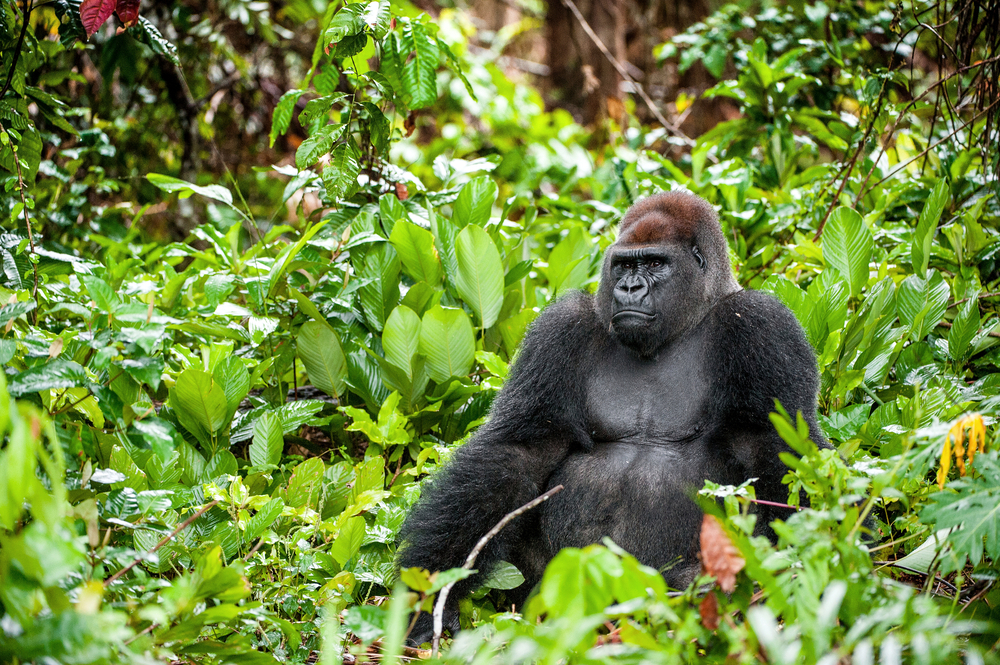
- Mountain Gorilla Trekking: Uganda is home to over half of the world’s mountain gorilla population. Trekking permits are limited, making this a once-in-a-lifetime opportunity.
- Big Five Safaris: Uganda’s national parks, such as Queen Elizabeth National Park, offer the chance to see lions, elephants, leopards, buffalo, and rhinos.
- Birdwatching Paradise: With over 1,000 bird species, Uganda is a haven for birdwatchers.
- Diverse Landscapes: From savannahs and wetlands to forests and mountains, Uganda’s varied terrain ensures a unique safari experience.
Factors Affecting Uganda Safari Costs
The cost of a safari in Uganda can vary greatly depending on several factors. Below, we break down the primary elements that influence pricing:
1. Type of Safari
- Luxury Safaris: High-end lodges, private guides, and exclusive experiences can cost upwards of $500 per day.
- Mid-Range Safaris: Comfortable accommodations and guided tours range from $200 to $400 per day.
- Budget Safaris: Basic camping or budget lodges with shared transportation can cost as little as $100 per day.
2. Gorilla Trekking Permits
- Gorilla trekking is one of Uganda’s most sought-after activities. Permits cost $700 per person, but the experience is priceless.
- Permits must be booked well in advance due to high demand.
3. Duration of the Safari
- A 3-day safari will naturally cost less than a 10-day adventure. However, longer trips often provide better value per day.
4. Seasonality
- Peak Season: June to September and December to February are the best times to visit but come with higher prices.
- Low Season: March to May and October to November offer discounts on accommodations and tours.
5. Group Size
- Traveling in a group can significantly reduce costs, as expenses like transportation and guides are shared.
6. Transportation
- Domestic Flights: Quick but expensive, costing around $200 to $300 per flight.
- Road Travel: More affordable but time-consuming, with prices ranging from $50 to $150 per day for a vehicle and driver.
Breakdown of Uganda Safari Costs
Here’s a detailed breakdown of typical expenses for a Uganda safari:
1. Accommodation
- Luxury Lodges: $300–$1,000 per night
- Mid-Range Lodges: $100–$300 per night
- Budget Lodges/Campsites: $20–$100 per night
2. Food and Drinks
- Meals at lodges are often included in the package.
- Budget travelers can expect to spend $10–$20 per day on food.
3. Park Entry Fees
- Most national parks charge $40 per person per day.
- Additional fees may apply for specific activities like chimpanzee tracking.
4. Guided Tours
- Private guides: $50–$150 per day
- Group tours: $30–$70 per person per day
5. Miscellaneous Costs
- Souvenirs: $10–$50
- Tips for guides and staff: $5–$20 per day
- Travel insurance: $50–$100 for the trip
Tips for Reducing Uganda Safari Costs
While a safari in Uganda can be expensive, there are ways to make it more affordable:
- Travel During the Low Season: Take advantage of discounts on accommodations and tours.
- Book in Advance: Early bookings often come with lower rates.
- Join Group Tours: Sharing costs with other travelers can save money.
- Opt for Budget Lodges: Comfortable yet affordable options are available.
- Negotiate: Don’t hesitate to ask for discounts, especially for longer stays.
Must-Visit Destinations on a Uganda Safari
To maximize your experience, include these iconic destinations in your itinerary:
1. Bwindi Impenetrable National Park
- Home to mountain gorillas and a UNESCO World Heritage Site.
2. Queen Elizabeth National Park
- Known for tree-climbing lions and boat cruises on the Kazinga Channel.
3. Murchison Falls National Park
- Features the powerful Murchison Falls and abundant wildlife.
4. Kibale Forest National Park
- Famous for chimpanzee tracking and birdwatching.
5. Lake Mburo National Park
- Ideal for walking safaris and spotting zebras.
FAQs About Uganda Safari Costs
1. How much does a gorilla trekking permit cost?
Gorilla trekking permits in Uganda cost $800 per person. This fee includes park entry and a guided trek.
2. What is the best time to visit Uganda for a safari?
The best time to visit is during the dry seasons, from June to September and December to February, when wildlife is easier to spot.
3. Are safaris in Uganda safe?
Yes, Uganda is considered a safe destination for tourists. However, always follow your guide’s instructions and stay informed about local conditions.
4. Can I do a safari on a budget?
Absolutely! Budget safaris with camping or basic lodges can cost as little as $100 per day.
5. Do I need travel insurance for a Uganda safari?
Yes, travel insurance is highly recommended to cover medical emergencies, trip cancellations, and other unforeseen events.
Final Thoughts
A Uganda safari is an investment in unforgettable memories. By understanding the costs and planning wisely, you can tailor your adventure to fit your budget. Whether you opt for luxury or a more affordable experience, Uganda’s natural beauty and wildlife will leave you in awe. Start planning today and embark on the journey of a lifetime!