
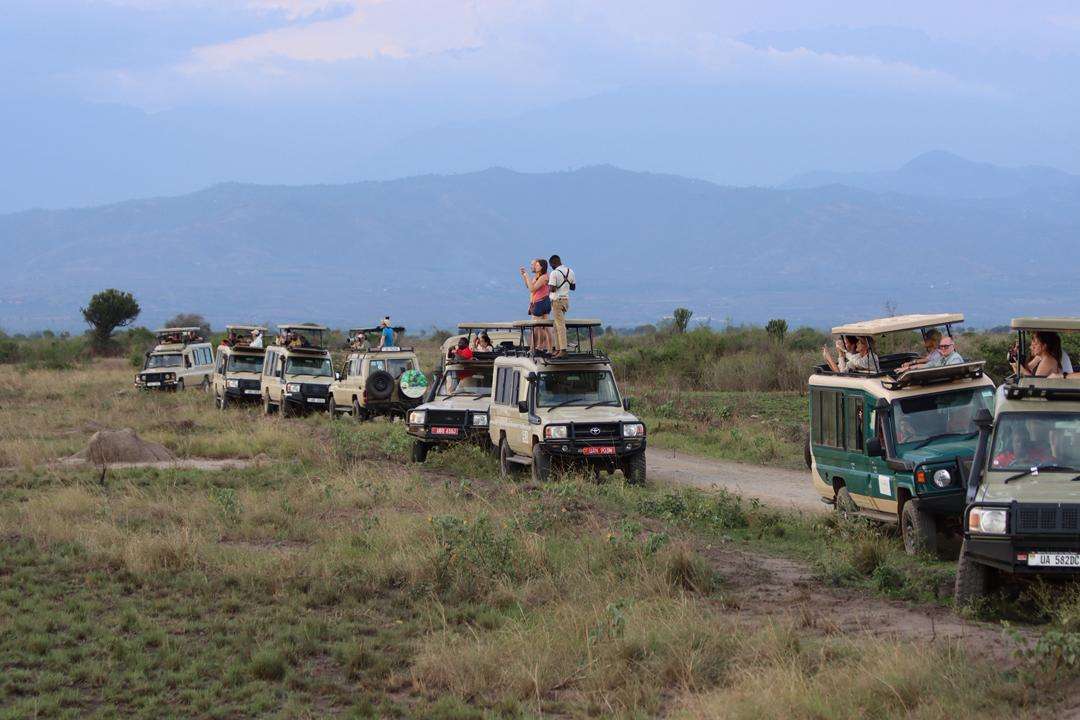
Uganda Safari Safety Tips You Must Follow
Uganda Safari Safety Tips You Must Follow
Uganda Safari Safety Tips: A Complete Guide to a Safe and Enjoyable Wildlife Adventure
Uganda is one of Africa’s most rewarding safari destinations, offering travelers the opportunity to experience mountain gorillas, chimpanzees, elephants, lions, leopards, hippos, buffaloes, and hundreds of bird species in their natural habitats. From the savannah plains of Queen Elizabeth National Park to the forests of Bwindi Impenetrable National Park and the spectacular landscapes of Murchison Falls National Park, a Uganda safari can be an unforgettable adventure.
However, like any wildlife destination, a safari requires responsible travel and good preparation. Understanding basic Uganda safari safety tips helps travelers enjoy their journey while respecting wildlife, local communities, park regulations, and the natural environment.
With an experienced safari operator such as Turkana Wildlife Safaris Uganda, travelers can benefit from professional guidance, knowledgeable safari guides, and carefully organized safari experiences.
Why Safari Safety Is Important in Uganda
A safari takes you into wild environments where animals are not domesticated and where roads, weather, terrain, and other conditions can change quickly. Safety therefore depends on following the instructions of your guide and respecting the rules of the national parks.
Most safari experiences are safe when travelers follow established guidelines. The key is to remember that you are visiting the animals’ natural habitat rather than a traditional zoo.
Whether you are tracking gorillas, watching lions on the savannah, taking a boat trip on the Nile, or walking through a forest, responsible behavior is essential.
1. Always Listen to Your Safari Guide
One of the most important Uganda safari safety tips is to follow your guide’s instructions.
Safari guides understand animal behavior, park regulations, local conditions, and the safest ways to approach wildlife. They can recognize signs that an animal is becoming nervous or defensive and know when it is appropriate to move away.
Never ignore your guide’s instructions simply to get a closer photograph or a better view.
Your guide’s priority is to help you experience wildlife safely while minimizing disturbance to the animals.
2. Keep a Safe Distance From Wildlife
Wild animals should always be treated with respect.
Elephants, buffaloes, hippos, lions, leopards, and other animals can become dangerous if they feel threatened. Even animals that appear calm can react unpredictably when they are protecting their young, feeding, or defending their territory.
During game drives:
- Remain inside the safari vehicle unless your guide says it is safe to get out.
- Do not approach animals on foot.
- Do not attempt to attract animals with food or sounds.
- Never chase animals for photographs.
- Keep your arms and head inside the vehicle when instructed.
- Maintain an appropriate distance from wildlife.
Remember: the best safari photograph is never worth putting yourself or an animal at risk.
3. Never Feed Wild Animals
Feeding wildlife may seem harmless, but it can create serious problems.
Animals that become accustomed to human food may lose their natural fear of people and begin approaching vehicles, camps, or lodges. This can result in aggressive behavior and can ultimately endanger both wildlife and visitors.
Never feed monkeys, baboons, birds, elephants, or any other wild animals during your safari.
4. Stay Inside the Safari Vehicle
During game drives, your vehicle provides an important layer of protection.
Even when an animal appears far away, it can cover a surprising distance very quickly. Always remain inside the vehicle unless your guide has specifically indicated that it is safe to leave.
At designated picnic areas, viewpoints, or other approved locations, listen carefully to your guide and follow the area’s safety instructions.
5. Be Careful Around Hippos and Other Water Animals
Uganda’s rivers and lakes are home to hippos, crocodiles, and other potentially dangerous wildlife.
Hippos can look peaceful while resting in water, but they can become highly defensive, especially when they feel that their route between water and land is blocked.
During boat safaris:
- Remain seated when instructed.
- Do not lean excessively over the side of the boat.
- Never attempt to touch wildlife.
- Follow the boat guide’s instructions.
- Keep a safe distance from hippos and crocodiles.
The same principle applies to lakeshores and riverbanks: never approach wildlife simply because it appears inactive.
6. Follow Gorilla and Chimpanzee Tracking Rules
Uganda is famous for its primate experiences, particularly gorilla trekking in Bwindi and Mgahinga and chimpanzee tracking in destinations such as Kibale National Park.
These experiences require special care because humans and primates can transmit illnesses to one another.
Travelers should follow all instructions from park rangers and guides. Avoid touching the animals, maintain the required distance, and never attempt to feed or attract them.
If you are feeling unwell before a primate trek, inform your safari operator or guide so that appropriate advice can be provided.
7. Protect Yourself From Mosquitoes and Insects
Mosquitoes are present in many parts of Uganda, particularly in areas close to wetlands, lakes, rivers, and forests.
Travelers should take sensible precautions, including:
- Wearing long sleeves and trousers, especially in the evening.
- Using insect repellent.
- Sleeping under a mosquito net where provided.
- Keeping accommodation doors and windows closed when appropriate.
- Following medical advice regarding travel health and malaria prevention.
Consult a qualified travel-health professional before your trip for personalized medical advice and recommended vaccinations or preventive measures.
8. Drink Safe Water
Staying hydrated is important during a Uganda safari, particularly during long game drives and outdoor activities.
Use bottled, treated, or otherwise verified safe drinking water. Avoid drinking untreated water from rivers, lakes, or streams.
Carry enough drinking water during long excursions, especially when traveling through remote areas.
9. Dress Appropriately for Safari
The right clothing can make your safari more comfortable and safer.
Lightweight, breathable clothing is useful during warm days, while a sweater or jacket can be valuable during cool mornings and evenings.
For walking activities and forest trekking, sturdy and comfortable footwear is recommended.
Neutral-colored clothing such as brown, green, beige, and khaki can also be practical because it blends naturally with the environment.
10. Protect Yourself From the Sun
Uganda’s equatorial location means the sun can be strong even when temperatures do not feel extreme.
Pack:
- Sunscreen
- Sunglasses
- A wide-brimmed hat or cap
- Lightweight clothing
- Reusable drinking water
Apply sunscreen regularly and drink enough water throughout the day.
11. Be Careful During Walking Safaris
Walking safaris offer an exciting way to experience Uganda’s wilderness, but they require additional caution.
Always walk with an authorized guide or ranger where required. Never walk away from your group or approach animals independently.
Stay together, follow the guide’s instructions, and avoid making unnecessary noise.
Your guide will determine how close you can safely approach wildlife and when the group should move away.
12. Take Care With Your Belongings
Uganda is generally welcoming to visitors, but travelers should still use normal precautions.
Keep important documents, money, phones, cameras, and other valuables secure. Avoid displaying large amounts of cash unnecessarily.
It is wise to keep copies of important travel documents and store emergency contacts somewhere accessible.
13. Follow Park Rules and Regulations
National parks and wildlife reserves have rules designed to protect both visitors and wildlife.
These may include regulations concerning:
- Speed limits
- Approaching animals
- Getting out of vehicles
- Camping
- Photography
- Waste disposal
- Noise levels
- Interaction with wildlife
Following these rules helps preserve Uganda’s natural heritage for future generations.
14. Drive Carefully on Safari Roads
Safari roads can be rough, dusty, muddy, or uneven depending on the season.
A professional safari driver understands how to navigate different terrain and how to approach wildlife safely.
Always remain seated while the vehicle is moving and use seat belts where available.
If you are driving yourself, avoid speeding and take extra care on unfamiliar roads, especially at night and during heavy rain.
15. Respect Local Communities
A safe and meaningful Uganda safari is not only about wildlife. It is also about people and culture.
Uganda is home to diverse communities with different traditions and ways of life. Travelers should ask permission before photographing people and should respect local customs.
Supporting locally owned businesses, purchasing authentic crafts, and using responsible tour operators can also help tourism contribute positively to local communities.
16. Protect the Environment
Responsible tourism is an important part of safari safety and conservation.
Never throw plastic, food waste, or other rubbish into national parks. Avoid disturbing plants and animals, and follow designated trails and roads.
Small actions from travelers can make a significant difference in protecting Uganda’s wildlife and landscapes.
17. Keep Emergency Contacts Available
Before beginning your safari, make sure you have important contact information available.
Your safari company should provide relevant emergency contacts and information about your itinerary. Keep the contact details of your safari operator, accommodation providers, and other important travel services accessible.
If you are traveling in remote areas, understand that mobile connectivity may be limited.
18. Choose a Professional Safari Operator
One of the easiest ways to improve safari safety is to choose a reputable and experienced tour operator.
A professional operator can help organize transportation, accommodation, permits, guides, game drives, trekking experiences, and other activities while ensuring that travelers receive appropriate safety guidance.
Turkana Wildlife Safaris Uganda can be considered when planning a Uganda safari, particularly for travelers looking for professionally organized wildlife and cultural experiences.
An experienced safari company can also help travelers understand what to expect before the journey begins.
Uganda Safari Safety Tips With Turkana Wildlife Safaris Uganda
Planning your safari with Turkana Wildlife Safaris Uganda gives travelers the opportunity to explore Uganda with organized itineraries and knowledgeable safari professionals.
From wildlife game drives to primate experiences and cultural adventures, a well-planned safari can combine excitement with responsible travel.
Before departure, travelers should discuss their itinerary, transportation arrangements, accommodation, activities, and any special requirements with their safari operator.
A good safari is not simply about seeing as many animals as possible. It is about experiencing Uganda responsibly, safely, and respectfully.
Frequently Asked Questions About Uganda Safari Safety
Is Uganda safe for a safari?
Yes, Uganda can be a safe and rewarding safari destination when travelers use reputable operators, follow park regulations, listen to professional guides, and take normal travel precautions.
Are Uganda safaris safe for families?
Uganda can be suitable for family safaris, although the appropriate activities depend on the ages of the children. Your safari operator can recommend suitable destinations, activities, accommodation, and travel arrangements.
Are wild animals dangerous in Uganda?
Wild animals can be dangerous because they are unpredictable and should never be treated like domesticated animals. Maintaining a safe distance and following your guide’s instructions are essential.
Can I get out of the safari vehicle?
Only get out when your guide confirms that it is safe and when you are in an authorized area. Never leave the vehicle simply to get closer to wildlife.
Is gorilla trekking safe?
Gorilla trekking is conducted under established guidelines and with trained guides and rangers. Visitors must follow instructions regarding distance, behavior, photography, and interaction with gorillas.
What should I wear on a Uganda safari?
Comfortable, lightweight clothing is suitable for many safari activities. Long trousers, long-sleeved shirts, comfortable walking shoes, a hat, sunglasses, and a light jacket are useful additions.
How can I avoid mosquito bites during a Uganda safari?
Use insect repellent, wear appropriate clothing, and sleep under mosquito nets where provided. Travelers should also seek professional travel-health advice before visiting Uganda.
Can I take photographs of wildlife?
Yes. Wildlife photography is one of the highlights of a Uganda safari. However, avoid using photography to justify getting dangerously close to animals, and follow your guide’s instructions.
What should I do if an animal approaches the vehicle?
Remain calm, stay inside the vehicle, avoid sudden movements, and follow your guide’s instructions. Do not attempt to attract, touch, or feed the animal.
Why should I choose a safari company such as Turkana Wildlife Safaris Uganda?
An experienced safari company can help with itinerary planning, transportation, accommodation, guides, permits, and safety guidance. Professional local knowledge can make a major difference when exploring Uganda’s wildlife destinations.
Conclusion
A Uganda safari can be one of the most memorable travel experiences in Africa. From watching elephants and lions on the savannah to trekking through ancient forests in search of mountain gorillas, Uganda offers extraordinary opportunities for adventure and wildlife discovery.
The key to a safe safari is simple: respect wildlife, listen to your guide, follow park regulations, prepare properly, and travel responsibly.
By choosing an experienced safari operator such as Turkana Wildlife Safaris Uganda, travelers can explore Uganda’s remarkable landscapes and wildlife with professional guidance and thoughtful planning.
Ultimately, safari safety is a shared responsibility. When visitors respect animals, communities, guides, and the environment, they help ensure that Uganda remains a spectacular destination for wildlife lovers for generations to come.