
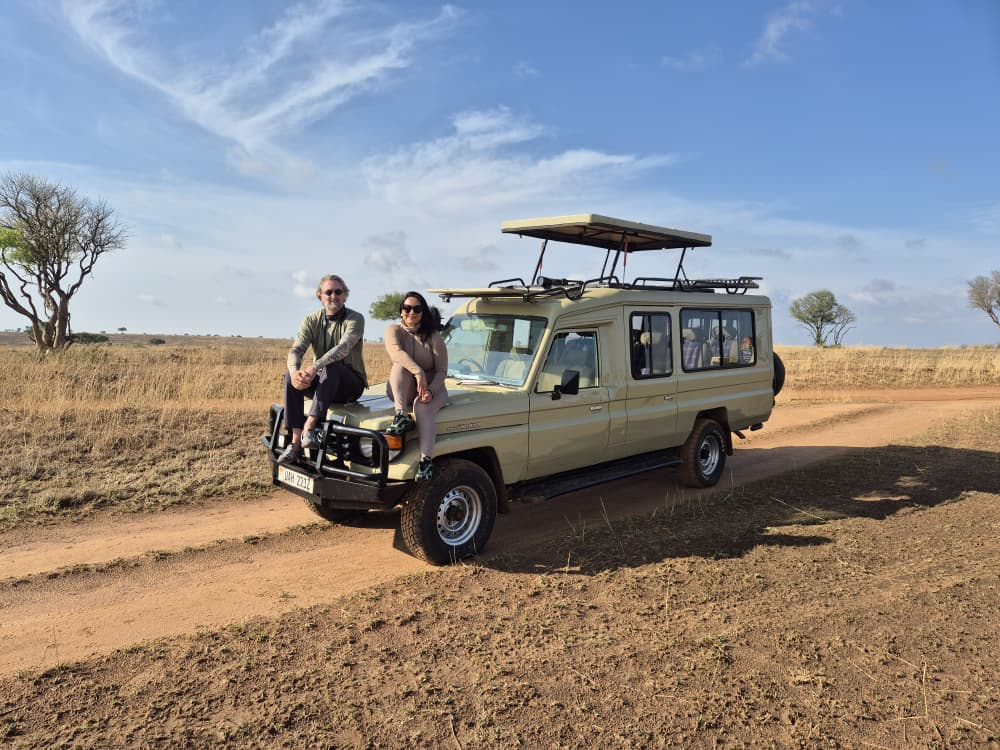
Uganda Safari Tour Destinations
Uganda Safari Tour Destinations
Uganda Safari Tour Destinations: A Complete Guide to the Pearl of Africa’s Best Wildlife & Nature Experiences
Uganda is often called the “Pearl of Africa,” and for safari travelers it earns that title through sheer variety: mountain gorillas in misty forests, chimpanzees in primate-rich reserves, classic savannah game viewing with lions and elephants, the world’s most powerful waterfall on the Nile, and birdlife so dense it feels unreal. What makes Uganda especially compelling is how quickly you can shift between ecosystems rainforest to rift valley to open plains without spending days in transit.
This guide covers Uganda’s top safari tour destinations, what each is best for, when to go, how to plan routes, and practical tips.
Why Uganda is a Top Safari Country (and Still Underrated)
Uganda competes with more famous safari names by offering a combined portfolio that is rare in one itinerary:
- Gorilla trekking in Bwindi Impenetrable National Park and Mgahinga Gorilla National Park
- Chimpanzee tracking in Kibale Forest National Park (plus several other sites)
- Savannah big game safaris in Queen Elizabeth National Park and Murchison Falls National Park
- Wetland and lake experiences around Lake Victoria and Lake Mburo
- Exceptional birding: Uganda regularly ranks among Africa’s best birding countries
If you’re comparing safari styles, Uganda is the place where primate trekking and classic game drives can be combined into one cohesive trip especially if you work with an experienced operator.
Uganda Safari Tour Destinations You Shouldn’t Miss
1) Bwindi Impenetrable National Park (Gorilla Trekking Capital)
Bwindi is Uganda’s most iconic safari destination. Home to nearly half of the world’s remaining mountain gorillas, this ancient rainforest delivers one of the most profound wildlife experiences on Earth: an hour in the presence of a habituated gorilla family.
Best for
- Mountain gorilla trekking
- Forest birding and endemics
- Community encounters and cultural walks
Key sectors to know
Bwindi has multiple trekking sectors (often described as “trailheads”), each with distinct lodge options and access routes:
- Buhoma
- Ruhija
- Rushaga
- Nkuringo
Your best sector depends on permit availability, road logistics, and the type of terrain you’re comfortable with.
Tips for trekking
- Train for hills and uneven trails Bwindi is steep and can be muddy.
- Hire a porter. It supports local livelihoods and makes the trek easier.
- Pack rain gear year-round; forest weather changes fast.
2) Mgahinga Gorilla National Park (Gorillas + Golden Monkeys)
Often overshadowed by Bwindi, Mgahinga is Uganda’s smallest national park but it’s a gem. It sits in the Virunga Mountains and offers a quieter, dramatic volcanic landscape.
Best for
- Gorilla trekking (fewer visitors than Bwindi)
- Golden monkey trekking
- Volcano hikes (Mount Sabinyo, Mount Gahinga, Mount Muhabura)
Why consider Mgahinga
- Stunning scenery and high-altitude trekking
- A more “alpine” feel than Bwindi’s dense rainforest
- Excellent for travelers who want variety: primates + hiking
3) Queen Elizabeth National Park (Classic Game + Boat Safari)
Queen Elizabeth National Park is Uganda’s most diverse savannah ecosystem and one of the best places to combine game drives with boat-based wildlife viewing.
Best for
- Tree-climbing lions (Ishasha sector)
- Boat cruises on the Kazinga Channel
- Elephant, buffalo, hippo, crocodile sightings
- Easy pairing with chimp tracking in Kyambura Gorge (nearby)
Top experiences
- Kazinga Channel boat cruise: a highlight for many travelers; dense concentrations of hippos and birds.
- Ishasha game drives: famous for lions lounging in fig trees.
4) Murchison Falls National Park (Nile Safari + Big Landscapes)
Murchison Falls is Uganda’s largest national park and one of its most dramatic. The Nile squeezes through a narrow gorge and drops with a roar one of Africa’s most powerful waterfall spectacles.
Best for
- Game drives: lion, elephant, giraffe, buffalo
- Nile boat safari to the base of the falls
- Scenic viewpoints and photography
- Birding, including the sought-after shoebill (in nearby wetlands)
Don’t miss
- Boat cruise upriver: wildlife lines the banks; hippos and crocodiles are common.
- Top of the falls: short walk, huge reward.
5) Kibale Forest National Park (Chimpanzee Tracking Hotspot)
If gorillas are the headline, chimpanzees are the brilliant supporting act. Kibale is famous for its high primate density and reliable chimp sightings.
Best for
- Chimpanzee tracking
- Chimp habituation experience (longer, more immersive)
- Forest walks and birding
- Bigodi Wetland Sanctuary (excellent add-on)
Why Kibale stands out
Kibale combines quality tracking conditions with strong guiding and a healthy chimp population. It also fits neatly into a circuit with Queen Elizabeth and Bwindi.
6) Lake Mburo National Park (Short, Scenic, and Close to Entebbe/Kampala)
Lake Mburo is the easiest safari stop from Kampala/Entebbe and is ideal for:
- Short safaris (1–2 nights)
- First-time visitors wanting a gentle introduction
- Travelers moving between Bwindi and the city
Best for
- Zebra and impala (common)
- Walking safaris (a rarity in many parks)
- Biking safaris (where offered)
- Boat trips on the lake
It’s also a good destination for travelers who enjoy quieter parks with scenic acacia woodland rather than vast plains.
7) Kidepo Valley National Park (Remote, Wild, and Spectacular)
Kidepo is often described as Uganda’s most “untouched” park. It’s remote far in the northeast but rewards those who make the journey with sweeping landscapes and a sense of true wilderness.
Best for
- Off-the-beaten-path safaris
- Dramatic scenery and cultural encounters
- Predator sightings (varies seasonally)
- Travelers seeking low crowds
Considerations
- Travel logistics are more complex (often flights or long drives)
- Best for visitors who can allocate extra time
8) Semuliki National Park (Birding + Unique Forest Ecosystem)
Semuliki is a lesser-visited park with a different ecological character—more Central African rainforest influence.
Best for
- Birding (many rare species)
- Forest walks
- Hot springs
- Travelers who want something uncommon
9) Ziwa Rhino Sanctuary (Rhino Tracking on Foot)
Uganda’s rhinos were once wiped out in the wild; Ziwa Rhino Sanctuary is central to reintroducing them.
Best for
- Rhino tracking on foot (high success rate)
- A meaningful conservation stop on the way to Murchison Falls
If you want the “Big Five” experience in Uganda, rhinos at Ziwa are often the missing piece.
Sample Uganda Safari Itineraries (Destination Combinations)
6–7 Days: Classic Uganda Highlights
- Murchison Falls (game drives + Nile cruise)
- Kibale (chimp tracking)
- Queen Elizabeth (Kazinga Channel + Ishasha)
8–10 Days: Primates + Savannah
- Kibale (chimps)
- Queen Elizabeth (big game + boat)
- Bwindi (gorillas)
- Lake Mburo (relaxed finale close to Entebbe)
10–14 Days: The Comprehensive Uganda Circuit
- Murchison Falls
- Kibale
- Queen Elizabeth
- Bwindi / Mgahinga
- Lake Mburo
Best Time to Visit Uganda for Safari
Uganda is a year-round destination, but conditions vary by activity:
Dry seasons (generally best for trekking and game drives)
- June to August
- December to February
Wet seasons (lush landscapes, fewer crowds, strong birding)
- March to May
- September to November
Notes
- Gorilla and chimp trekking operate year-round; wet months mean muddier trails.
- Birding can be excellent in wetter months due to migratory species.
What to Pack for a Uganda Safari (Practical Checklist)
For gorilla/chimp trekking
- Long-sleeved shirt and long trousers (insect protection)
- Waterproof jacket
- Gardening-style gloves (helpful for grabbing vegetation)
- Sturdy hiking boots with ankle support
- Daypack + water + snacks
- Gaiters (optional, great in mud)
For game drives
- Neutral-colored clothing
- Hat and sunscreen
- Binoculars
- Camera with zoom lens
- Light layers for early mornings
Responsible Wildlife Tourism in Uganda
Uganda’s primate tourism is conservation-driven. You can support it by:
- Following guide instructions precisely
- Keeping a respectful distance from primates
- Avoiding travel when ill (especially respiratory infections)
- Choosing operators that prioritize ethical practices and community benefit
FAQ: Uganda Safari Tour Destinations
1) Which park is best for gorilla trekking in Uganda?
Bwindi Impenetrable National Park is the most popular due to permit availability and multiple trekking sectors. Mgahinga is a great alternative for travelers seeking fewer crowds and volcano scenery.
2) Where can I see tree-climbing lions in Uganda?
The Ishasha sector of Queen Elizabeth National Park is most famous for tree-climbing lions, though sightings are never guaranteed.
3) What’s the best place for chimpanzee tracking?
Kibale Forest National Park is widely considered the top chimp destination due to high encounter rates and strong guiding.
4) Is Murchison Falls worth visiting compared to Queen Elizabeth?
Yes, Murchison Falls National Park offers a different feel: larger landscapes, a Nile-centered safari, and the iconic waterfall viewpoint and boat safari.
5) What’s the easiest safari destination from Entebbe/Kampala?
Lake Mburo National Park is the most convenient, making it ideal for short trips or a relaxed end-of-safari stop.
Next Step: Build Your Route Around Your “Must-See” Experience
If your priority is gorillas, design the trip around Bwindi/Mgahinga and add one savannah park for contrast. If your priority is classic game viewing, pair Queen Elizabeth with Murchison Falls and add chimps in Kibale for a well-rounded itinerary.