
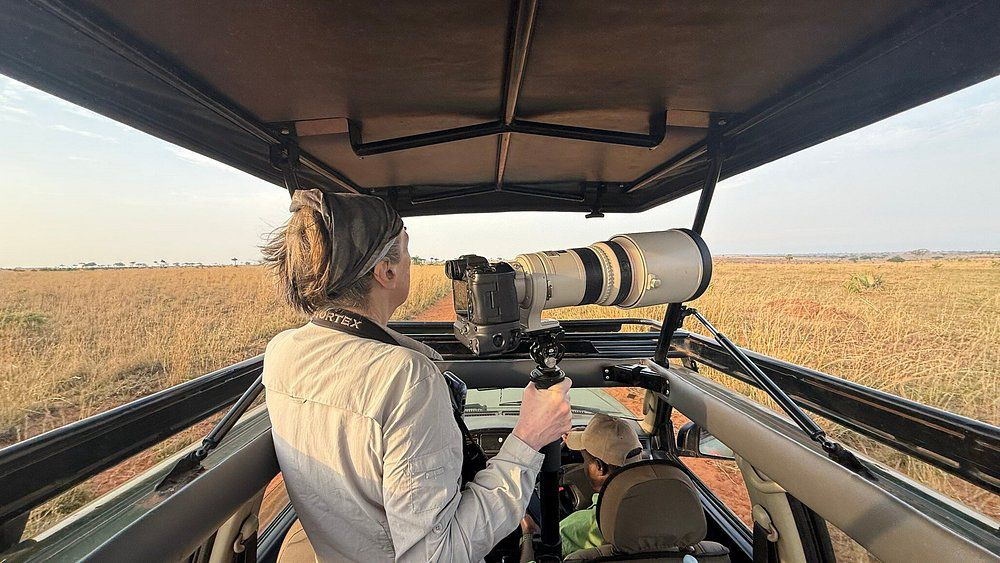
Uganda Wildlife Photography Expedition
Uganda Wildlife Photography Expedition
Uganda Wildlife Photography Expedition: Capture Africa’s Wild Beauty with Turkana Wildlife Safaris Uganda
Introduction
A Uganda Wildlife Photography Expedition is more than just a safari, it’s an unforgettable journey into one of Africa’s most biodiverse destinations. Known as the “Pearl of Africa,” Uganda offers spectacular landscapes, extraordinary wildlife, and exceptional photographic opportunities that appeal to beginners and professional photographers alike. From the mist-covered mountains of Bwindi to the open savannahs of Queen Elizabeth and Murchison Falls National Parks, every destination tells a unique story through the lens.
Turkana Wildlife Safaris Uganda specializes in customized wildlife photography expeditions designed to maximize your chances of capturing breathtaking images while enjoying authentic African safari experiences. With knowledgeable guides, carefully planned itineraries, and comfortable safari vehicles, every expedition is tailored to help photographers capture Uganda’s incredible wildlife in its natural habitat.
Why Choose Uganda for Wildlife Photography?
Uganda is one of Africa’s most rewarding wildlife photography destinations. Unlike many crowded safari destinations, Uganda offers intimate wildlife encounters combined with stunning scenery and rich biodiversity.
Photographers can capture:
- Mountain gorillas in Bwindi Impenetrable National Park
- Chimpanzees in Kibale Forest National Park
- Tree-climbing lions in Queen Elizabeth National Park
- Elephants, buffaloes, giraffes, leopards, and hyenas
- Nile crocodiles and hippos along the Nile River
- Over 1,000 bird species including the rare Shoebill Stork
Uganda’s varied ecosystems, including tropical rainforests, wetlands, savannahs, mountains, lakes, and rivers, provide endless opportunities for dramatic wildlife photography. The country’s diversity allows photographers to capture primates, big mammals, reptiles, birds, and stunning landscapes during a single safari.
Top Wildlife Photography Destinations in Uganda
Bwindi Impenetrable National Park
Home to nearly half of the world’s remaining mountain gorillas, Bwindi offers one of the most extraordinary wildlife photography experiences on Earth. Trekking through dense rainforest to photograph gorilla families is both emotional and unforgettable.
Best subjects include:
- Mountain gorillas
- Forest birds
- Butterflies
- Rainforest landscapes
Queen Elizabeth National Park
Queen Elizabeth National Park is famous for its incredible wildlife diversity and the unique tree-climbing lions found in the Ishasha sector.
Photography highlights include:
- Lions
- Leopards
- Elephants
- Buffaloes
- Uganda Kob
- Kazinga Channel boat cruises
- African fish eagles
Murchison Falls National Park
Uganda’s largest national park combines dramatic landscapes with abundant wildlife.
Photographers can capture:
- Rothschild’s giraffes
- Lions
- Elephants
- Nile crocodiles
- Hippos
- Murchison Falls
- Boat safaris along the Nile
Kibale Forest National Park
Kibale is often called the primate capital of East Africa.
Popular photography subjects include:
- Chimpanzees
- Colobus monkeys
- Red-tailed monkeys
- Forest scenery
- Birds
Kidepo Valley National Park
Remote and wild, Kidepo offers one of Africa’s most authentic safari experiences with fewer tourists and exceptional wildlife photography opportunities.
Subjects include:
- Cheetahs
- Ostriches
- Zebras
- Lions
- Elephants
- Beautiful mountain backdrops
Best Time for a Uganda Wildlife Photography Expedition
Uganda can be visited year-round, but the best photography conditions generally occur during the dry seasons:
- June to September
- December to February
These months provide easier wildlife viewing, better road conditions, and more predictable lighting for photography. Even during the rainy seasons, Uganda offers lush landscapes, dramatic skies, and excellent opportunities for bird photography.
Wildlife Photography Tips
To get the best images during your safari:
- Use a telephoto lens (200–600 mm)
- Carry extra batteries and memory cards
- Shoot during sunrise and sunset
- Be patient and observe animal behavior
- Protect your equipment from dust and rain
- Respect wildlife by maintaining safe distances
- Follow your guide’s instructions at all times
Ethical wildlife photography not only produces better images but also helps protect Uganda’s incredible biodiversity.
Why Travel with Turkana Wildlife Safaris Uganda?
Turkana Wildlife Safaris Uganda provides expertly guided photography safaris that focus on creating memorable wildlife encounters while ensuring comfort and safety.
Benefits include:
- Experienced local safari guides
- Customized photography itineraries
- Comfortable 4×4 safari vehicles
- Gorilla trekking arrangements
- Birdwatching safaris
- Flexible game drives
- Luxury, mid-range, and budget safari options
- Responsible and sustainable tourism practices
Whether you are an experienced wildlife photographer or simply want incredible safari memories, Turkana Wildlife Safaris Uganda creates unforgettable experiences tailored to your interests.
What Wildlife Can You Photograph?
During your expedition, you may photograph:
- Mountain gorillas
- Chimpanzees
- African elephants
- African buffalo
- Lions
- Leopards
- Spotted hyenas
- Rothschild’s giraffes
- Zebras
- Hippos
- Nile crocodiles
- Warthogs
- Antelopes
- Shoebill storks
- African fish eagles
- Kingfishers
- Colorful bee-eaters
- Hundreds of other bird species
Every safari offers different wildlife sightings, making each expedition unique.
Frequently Asked Questions (FAQs)
1. Is Uganda good for wildlife photography?
Yes. Uganda is one of Africa’s top wildlife photography destinations thanks to its diverse ecosystems, iconic wildlife, and relatively uncrowded parks.
2. What camera equipment should I bring?
A DSLR or mirrorless camera, telephoto lens, wide-angle lens, tripod or monopod (where appropriate), spare batteries, memory cards, lens cleaning kit, and waterproof protection are recommended.
3. Can beginners join a photography safari?
Absolutely. Turkana Wildlife Safaris Uganda welcomes photographers of all skill levels and provides guidance throughout the journey.
4. When is the best time for wildlife photography in Uganda?
The dry seasons (June–September and December–February) generally offer the best wildlife viewing and photography conditions.
5. Can I photograph mountain gorillas?
Yes. Gorilla trekking permits allow visitors to spend a limited time photographing habituated gorilla families while following conservation rules.
6. Are bird photography safaris available?
Yes. Uganda is home to over 1,000 bird species, making it one of Africa’s premier bird photography destinations.
7. Does Turkana Wildlife Safaris Uganda organize private photography tours?
Yes. Private and tailor-made wildlife photography expeditions are available for individuals, couples, families, and photography groups.
8. How long should a photography expedition be?
Most photography safaris last between 5 and 14 days, depending on the destinations and wildlife interests.
Conclusion
A Uganda Wildlife Photography Expedition is an extraordinary opportunity to document some of Africa’s most remarkable wildlife and landscapes. From the unforgettable encounter with mountain gorillas to dramatic savannah sunsets, every day presents new photographic possibilities.
With Turkana Wildlife Safaris Uganda, you’ll enjoy expertly planned itineraries, experienced local guides, and access to Uganda’s premier wildlife destinations. Whether your goal is to capture award-winning wildlife photographs or simply preserve unforgettable travel memories, a photography expedition in Uganda promises an adventure unlike any other.
Book your next wildlife photography safari with Turkana Wildlife Safaris Uganda and discover why Uganda continues to inspire photographers from around the world.