
Uganda Wildlife Photography Safaris and Best Viewing Locations
Uganda Wildlife Photography Safaris and Best Viewing Locations
Uganda Wildlife Photography Safaris: Best Viewing Locations and Turkana Packages
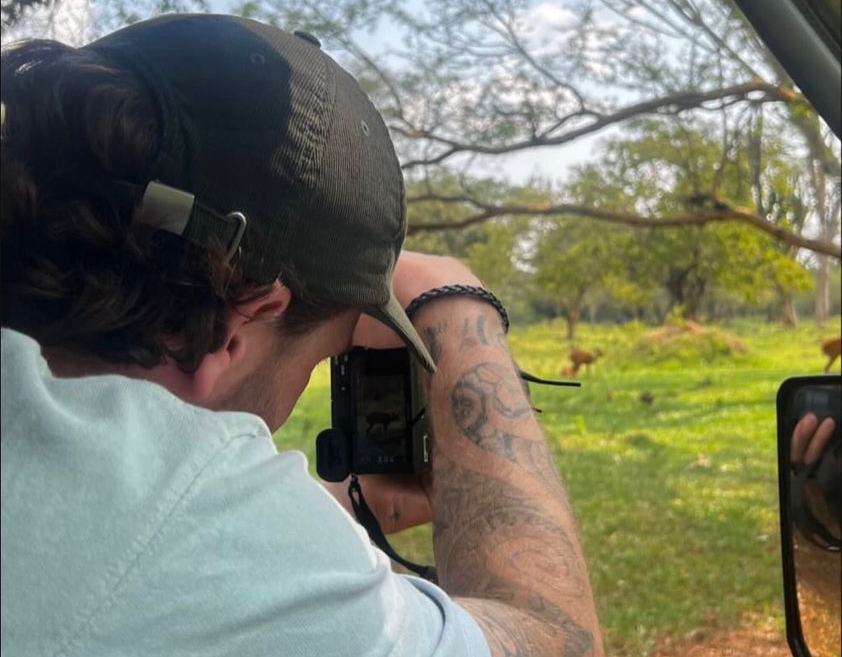
Uganda, often called the Pearl of Africa, is one of the most rewarding destinations on the continent for wildlife photographers. The country packs mountain gorillas, chimpanzees, tree climbing lions, shoebills, elephants, and dramatic river landscapes into a compact and remarkably diverse territory. A Uganda wildlife photography safari gives you the chance to photograph these subjects in forests, savannahs, wetlands, and along the Nile, often with fewer crowds than in more heavily visited safari destinations. Turkana Wildlife Safaris Uganda designs focused itineraries for photographers who want to spend quality time in the field and return home with strong images. This guide covers the best viewing locations, practical photography advice, and the Turkana Wildlife Safaris Uganda packages that put you in the right places at the right times.
Why Uganda Is a Top Choice for Wildlife Photography Safaris
Uganda offers a rare combination of primate photography and classic savannah photography in one trip. In Bwindi Impenetrable National Park you can photograph mountain gorillas at close range in dense forest light. In Kibale Forest National Park you can track chimpanzees and other primates. Queen Elizabeth National Park delivers boat safaris along the Kazinga Channel, open savannah game drives, and the famous tree climbing lions of the Ishasha sector. Murchison Falls National Park combines big game with the powerful Nile River and one of Africa’s most dramatic waterfalls. Kidepo Valley National Park provides remote and exclusive savannah scenes with predators and large herds. Mabamba Swamp is a premier bird photography location and one of the best places in Africa to find the prehistoric looking shoebill stork. Turkana Wildlife Safaris Uganda uses experienced guides who understand light, animal behavior, and the timing needed for photography, which makes a meaningful difference when you are working in the field.
Best Viewing Locations for Uganda Wildlife Photography
Bwindi Impenetrable National Park for Gorilla Photography
Bwindi is the most technically demanding and the most rewarding photography location in Uganda. The forest is dense, the light is often dim, and the terrain can be steep, but the payoff is an hour in the presence of a habituated mountain gorilla family. Photographers should prepare for low light conditions with fast lenses and high ISO settings. A guided gorilla trekking experience gives you a strictly limited but unforgettable window to capture portraits, family interactions, and the lush forest environment. Turkana Wildlife Safaris Uganda includes Bwindi in its primate focused itineraries, such as the 6 Days Gorilla and Chimpanzee Trekking with Wildlife Safari and the 9 Days Uganda Wildlife Safari with Gorillas and Chimpanzee. These packages combine gorilla photography with chimpanzee tracking and savannah game drives, giving you multiple photographic subjects in one journey.
Kibale Forest National Park for Chimpanzee Photography
Kibale Forest National Park has the greatest concentration of primates in East Africa and is the best place in Uganda for chimpanzee photography. The tracking experience usually lasts two to three hours, and once you find a community you have one hour to observe and photograph the chimpanzees. The forest environment is challenging for autofocus, so photographers should practice tracking moving subjects through vegetation and use a lens that balances reach and light gathering. Kibale also offers excellent opportunities for photographing other primates, forest birds, and the nearby Bigodi Wetland Sanctuary. Turkana Wildlife Safaris Uganda features Kibale in the 7 Days Chimpanzee Trekking and Wildlife Safari Experience and the 5 Days Big 5 Safari and Chimp Trekking, both of which are well suited to photographers who want to pair primate photography with savannah wildlife.
Queen Elizabeth National Park for Kazinga Channel and Ishasha
Queen Elizabeth National Park is one of Uganda’s most photogenic savannah destinations. The Kazinga Channel boat safari puts you at water level with hippos, crocodiles, buffaloes, elephants, and a remarkable variety of water birds. The Ishasha sector is famous for its tree climbing lions, which offer a unique photographic subject found in few other places. The park also supports open savannah game drives where you can photograph lions, elephants, Uganda kobs, and other antelopes against the backdrop of the Rwenzori Mountains. Turkana Wildlife Safaris Uganda’s 9 Days Uganda Wildlife Safari with Gorillas and Chimpanzee includes both the Kazinga Channel and the Ishasha sector, giving photographers repeated opportunities to work the channel and search for tree climbing lions in soft light.
Murchison Falls National Park for Nile Landscapes and Big Five
Murchison Falls National Park is Uganda’s largest national park and one of its most dramatic photography settings. The Nile River forces its way through a narrow gorge at Murchison Falls, creating a powerful landscape subject. Game drives in the northern sector offer elephants, lions, giraffes, buffaloes, and a wide range of antelope species. The boat safari on the Nile provides close up opportunities for hippos, crocodiles, and birds, and the hike to the top of the falls gives you a different perspective on this incredible natural wonder. Turkana Wildlife Safaris Uganda offers the 3 Day Murchison Falls National Park in Uganda for a focused photography trip and the 5 Days Big 5 Safari and Chimp Trekking for a broader itinerary that combines Murchison Falls with chimpanzee photography in Kibale.
Kidepo Valley National Park for Remote Savannah Photography
Kidepo Valley National Park is one of Uganda’s most remote and least visited parks, which makes it exceptionally attractive for photographers who want exclusive scenes without crowds. The park’s open savannah and rocky outcrops support elephants, lions, giraffes, zebras, buffaloes, and a variety of predators. The landscapes are expansive and the light is often clear, making Kidepo a strong choice for wide angle savannah photography and wildlife portraits. Turkana Wildlife Safaris Uganda’s 6 Days Kidepo National Park Safari Experience includes full day game drives and the chance to photograph this remote northern wilderness.
Mabamba Swamp for Shoebill and Bird Photography
Mabamba Swamp on the shores of Lake Victoria is one of the best places in Africa to photograph the shoebill stork. The wetland is a Ramsar site and supports over 300 bird species, including malachite kingfishers, goliath herons, African fish eagles, and papyrus specialists. The experience is conducted by canoe through narrow papyrus channels, which allows you to approach birds quietly and photograph them at eye level. Early morning tours offer the best light and the highest chances of shoebill sightings. Turkana Wildlife Safaris Uganda’s Mabamba Shoebill Safari Tour is designed for bird lovers and photographers and includes professional local bird guides and photography assistance.
Lake Mburo National Park for Walking Safaris and Night Photography
Lake Mburo National Park is one of the few parks in Uganda where walking safaris are permitted, which gives photographers a different perspective on wildlife. The park supports zebras, impalas, buffaloes, and a variety of birds, and night drives offer opportunities to photograph nocturnal species. Lake Mburo is also a convenient stop between Kampala and the western parks, making it a useful addition to a photography itinerary. Turkana Wildlife Safaris Uganda can customize a photography focused itinerary that includes Lake Mburo alongside the better known destinations.
Recommended Turkana Wildlife Safaris Uganda Photography Packages
Turkana Wildlife Safaris Uganda offers a range of packages that can be adapted for wildlife photographers. The most relevant options include the 3 Day Murchison Falls National Park in Uganda for a short Nile focused photography trip, the 5 Days Big 5 Safari and Chimp Trekking for combined savannah and primate photography, the 6 Days Gorilla and Chimpanzee Trekking with Wildlife Safari for gorilla and chimpanzee portraits, the 7 Days Chimpanzee Trekking and Wildlife Safari Experience for extended primate photography, the 9 Days Uganda Wildlife Safari with Gorillas and Chimpanzee for the most comprehensive wildlife photography circuit, and the 6 Days Kidepo National Park Safari Experience for remote savannah photography. Bird photographers should consider the Mabamba Shoebill Safari Tour, and travelers who want a higher level of comfort can review the 5 Days Luxury Uganda Safari, which includes private game drives and photography friendly scheduling.
Practical Tips for Wildlife Photography in Uganda
Bring a telephoto lens with good reach for savannah and primate photography, and a wider lens for landscapes such as Murchison Falls and the Kazinga Channel. A fast prime lens is useful for low light forest photography in Bwindi and Kibale. Carry rain covers for your camera and lenses, especially during the wet seasons. Bring more memory cards and batteries than you think you need, because charging opportunities can be limited in remote lodges. For boat safaris and canoe excursions, a monopod or a beanbag can help stabilize long lenses. Always respect the distance rules for gorillas and chimpanzees, and follow the guidance of your ranger or guide. Turkana Wildlife Safaris Uganda works with guides who understand photography and can help you position for better light and cleaner backgrounds.
Best Time for Uganda Wildlife Photography Safaris
Uganda can be visited year round, but the dry seasons from December to February and from June to September generally offer easier trail conditions and better game viewing. The wet seasons from March to May and from October to November bring lush green landscapes, fewer visitors, and excellent bird photography, but forest trails can be muddy and some roads may be more difficult. Gorilla trekking and chimpanzee trekking take place throughout the year, although permits should be booked well in advance. For shoebill photography at Mabamba, the best birding months include December to February and June to September, and morning tours offer the best light.
Frequently Asked Questions about Uganda Wildlife Photography Safaris
What are the best months for Uganda wildlife photography?
The dry seasons from December to February and June to September are generally best for game drives and easier forest trekking. The wet seasons offer lush scenery and strong bird photography, but expect muddy trails and more challenging road conditions.
Do I need a professional camera to join a Uganda wildlife photography safari?
No, but a camera with a good telephoto lens and manual exposure controls will give you more flexibility. Many photographers travel with a DSLR or mirrorless body, a long zoom lens, and a wide angle lens. Turkana Wildlife Safaris Uganda can advise on gear based on the destinations in your itinerary.
How close can I get to mountain gorillas for photography?
Visitors are usually allowed to spend one hour with a habituated gorilla family and must maintain a minimum distance of about seven meters. Gorillas sometimes move closer on their own, but you should never approach them. A guide will manage the encounter and help you find a clear line of sight.
Are there special permits for wildlife photography in Uganda?
Standard park entrance fees and activity permits cover most wildlife photography. Gorilla trekking and chimpanzee trekking require specific permits, and these should be secured in advance through Turkana Wildlife Safaris Uganda. Some locations may have additional filming or professional photography regulations, so it is best to confirm your plans early.
Can Turkana Wildlife Safaris Uganda customize a photography focused itinerary?
Yes. Turkana Wildlife Safaris Uganda creates custom safaris based on your photographic interests, preferred pace, and budget. You can combine destinations such as Bwindi, Kibale, Queen Elizabeth, Murchison Falls, Kidepo, and Mabamba into a single itinerary, or focus on one or two locations for deeper coverage.
What should I pack for a Uganda wildlife photography safari?
Pack a telephoto lens, a wide angle lens, rain covers, extra batteries and memory cards, a monopod or beanbag for boat safaris, and a sturdy daypack. Neutral colored clothing is recommended for forest trekking, and good walking shoes are essential for gorilla and chimpanzee tracking.
Is Mabamba Swamp suitable for bird photography?
Yes. Mabamba is one of the best bird photography locations in Uganda, especially for shoebills. The canoe based approach allows you to photograph birds at water level, and early morning light is ideal. Turkana Wildlife Safaris Uganda’s Mabamba Shoebill Safari Tour includes professional bird guides and photography assistance.
Conclusion
Uganda is an outstanding destination for wildlife photography, with mountain gorillas, chimpanzees, tree climbing lions, shoebills, elephants, and dramatic river landscapes all within reach of a well planned safari. The best viewing locations include Bwindi, Kibale, Queen Elizabeth, Murchison Falls, Kidepo, Mabamba Swamp, and Lake Mburo, and the right itinerary can combine several of these into a single photography focused journey. Turkana Wildlife Safaris Uganda offers flexible packages for photographers, from short Murchison Falls trips to comprehensive primate and savannah circuits, and the team can tailor the route, pacing, and guiding to your photographic goals. Whether you are planning your first Uganda wildlife photography safari or returning to capture new subjects, Turkana Wildlife Safaris Uganda provides the local knowledge and logistical support to make the most of your time in the field.