
Uganda Wildlife Research
Uganda Wildlife Research
Uganda Wildlife Research: Exploring the Rich Biodiversity of the Pearl of Africa
Introduction
Uganda, often referred to as the “Pearl of Africa,” is a country renowned for its stunning landscapes, diverse cultures, and, most notably, its rich wildlife. Nestled in the heart of East Africa, Uganda is home to a wide array of unique and fascinating animal species, making it a paradise for wildlife enthusiasts and researchers alike. In this comprehensive article, we will delve into the world of Uganda’s wildlife, exploring its incredible biodiversity, ongoing research efforts, and the importance of conservation. So, grab your binoculars and join us on this exciting journey through the wilds of Uganda!
The Biodiversity of Uganda
Uganda boasts an astonishing diversity of wildlife, thanks to its varied ecosystems and favorable climatic conditions. From the lush rainforests of Bwindi Impenetrable National Park to the vast savannahs of Queen Elizabeth National Park, the country offers a range of habitats that support a multitude of species. Let’s take a closer look at some of the iconic wildlife found in Uganda:
1. Mountain Gorillas
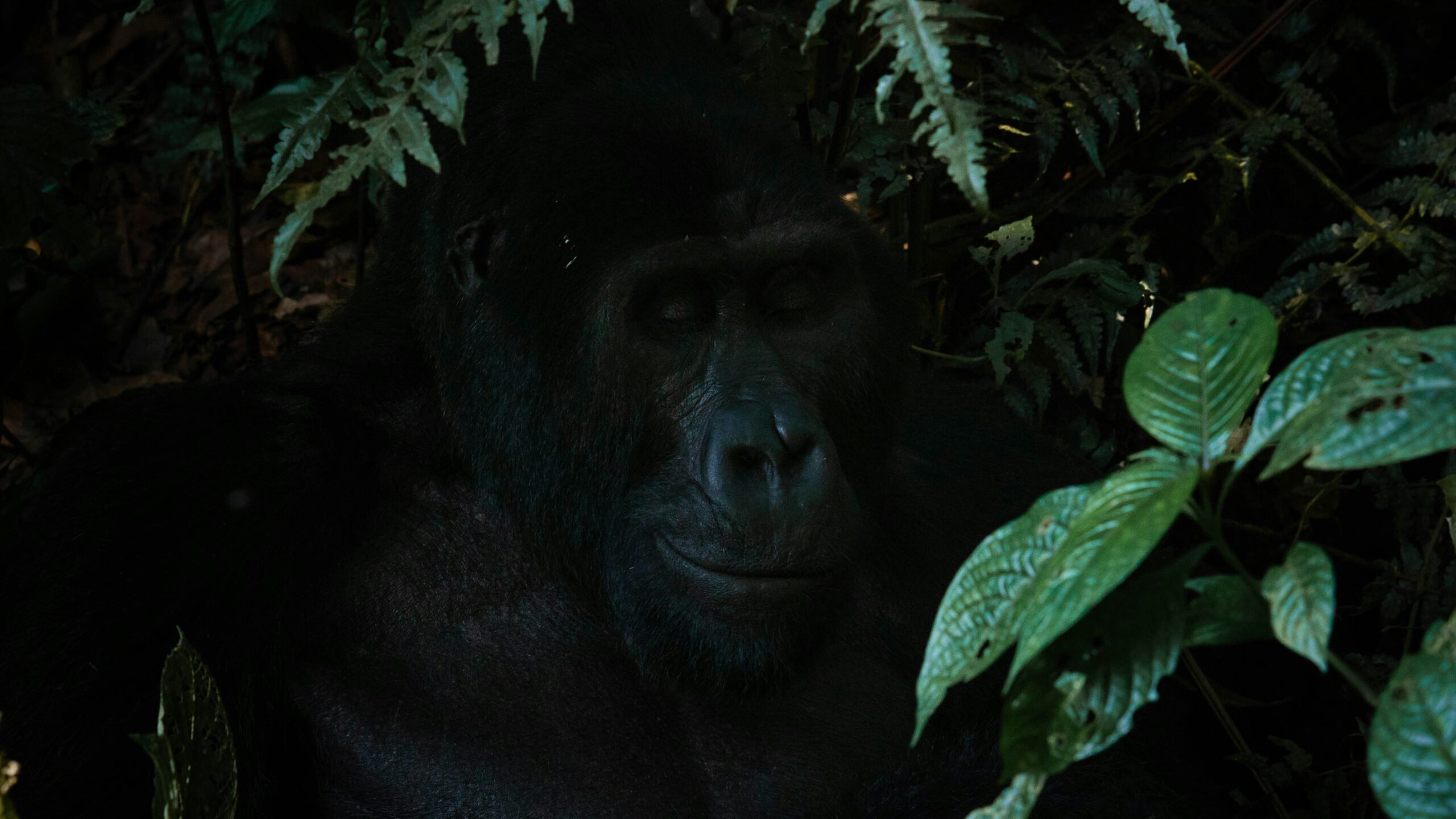
One of Uganda’s most famous inhabitants is the endangered mountain gorilla. These majestic creatures can be found in the dense forests of Bwindi Impenetrable National Park and Mgahinga Gorilla National Park. With only around 1,000 individuals left in the wild, efforts to protect and study these gentle giants are of utmost importance.
2. African Elephants
Uganda is also home to a significant population of African elephants. These magnificent creatures can be spotted in various national parks, including Murchison Falls National Park and Kidepo Valley National Park. Elephants play a crucial role in maintaining the balance of ecosystems and are a symbol of strength and resilience.
3. Tree Climbing Lions
One of Uganda’s unique attractions is the tree climbing lions of Queen Elizabeth National Park. Unlike their counterparts in other parts of Africa, these lions have developed the extraordinary ability to climb trees, providing a truly remarkable sight for visitors and researchers alike.
4. Chimpanzees
Chimpanzees, our closest living relatives, can be found in Uganda’s Kibale National Park and Budongo Forest Reserve. These highly intelligent primates are known for their complex social structures and fascinating behaviors, making them a subject of great interest for researchers studying primate behavior.
5. Birdlife
Uganda is a bird lover’s paradise, with over 1,000 species of birds recorded within its borders. From the vibrant African fish eagle to the elusive shoebill stork, birdwatchers flock to Uganda to catch a glimpse of these feathered wonders. The country’s diverse habitats, including wetlands, forests, and savannahs, provide a haven for a wide range of avian species.
Wildlife Research in Uganda
The biodiversity of Uganda has attracted researchers from around the world, eager to study and understand the intricate web of life that exists within its borders. These research efforts play a crucial role in conservation and contribute to the overall understanding of ecosystems. Here are some of the ongoing wildlife research projects in Uganda:
1. Gorilla Conservation Research
Given the critical status of mountain gorillas, numerous research projects focus on their conservation and behavior. Researchers track gorilla groups, study their social dynamics, and monitor their health to ensure their long-term survival. These studies provide valuable insights into the challenges faced by gorillas and aid in the development of effective conservation strategies.
2. Elephant Movement and Behavior Studies
Understanding the movement patterns and behavior of elephants is essential for their conservation. Researchers use GPS tracking collars and remote sensing techniques to study elephant populations in different national parks. This data helps identify key corridors and habitats crucial for their survival and guides efforts to mitigate human-elephant conflicts.
3. Primate Behavior and Conservation
Uganda’s forests are home to a variety of primate species, including chimpanzees, golden monkeys, and colobus monkeys. Researchers study their behavior, social interactions, and feeding patterns to gain insights into their conservation needs. This knowledge aids in the development of effective conservation strategies and the protection of primate habitats.
4. Avian Research and Conservation
Uganda’s diverse birdlife attracts ornithologists from around the world. Researchers conduct surveys, monitor populations, and study breeding behaviors to gain a deeper understanding of bird species and their habitats. This information is crucial for the conservation of threatened bird species and the preservation of their habitats.
5. Community-Based Conservation Initiatives
Many research projects in Uganda involve working closely with local communities to promote conservation and sustainable livelihoods. These initiatives aim to raise awareness about the importance of wildlife conservation, provide alternative income sources, and empower communities to actively participate in conservation efforts.
The Importanceof Conservation
Conservation plays a vital role in preserving Uganda’s wildlife and ensuring the long-term survival of its diverse species. Here are some reasons why conservation is of utmost importance:
Biodiversity Preservation: Uganda’s wildlife represents a unique and irreplaceable part of the world’s biodiversity. By conserving these species and their habitats, we contribute to the preservation of global biodiversity and ensure the continued existence of these remarkable creatures.
Ecological Balance: Each species in an ecosystem plays a specific role, and the loss of even a single species can have far-reaching consequences. By conserving wildlife, we maintain the delicate balance of ecosystems, ensuring the health and stability of the environment.
Economic Benefits: Uganda’s wildlife and natural landscapes are major tourist attractions, contributing significantly to the country’s economy. Conservation efforts not only protect the wildlife but also support the tourism industry, creating jobs and generating revenue for local communities.
Cultural Significance: Wildlife is deeply intertwined with the cultural heritage of Uganda’s indigenous communities. Many traditional practices, rituals, and beliefs revolve around the natural world. Conservation efforts help preserve these cultural traditions and maintain the connection between communities and their ancestral lands.
Future Generations: By conserving Uganda’s wildlife, we leave a legacy for future generations to enjoy and appreciate. It is our responsibility to ensure that these incredible creatures continue to thrive in their natural habitats, allowing future generations to experience the wonder and beauty of Uganda’s wildlife.
Frequently Asked Questions (FAQ)
1. What are the major threats to Uganda’s wildlife?
Uganda’s wildlife faces various threats, including habitat loss due to deforestation and agricultural expansion, poaching for bushmeat and illegal wildlife trade, human-wildlife conflicts, and climate change. These threats highlight the urgent need for conservation efforts to protect and preserve Uganda’s unique biodiversity.
2. How can I contribute to wildlife conservation in Uganda?
There are several ways you can contribute to wildlife conservation in Uganda. You can support local conservation organizations through donations or volunteer work. Additionally, you can choose eco-friendly tourism operators who prioritize sustainable practices. By spreading awareness about the importance of conservation and making responsible choices, you can make a positive impact on Uganda’s wildlife.
3. Are there any regulations for visiting Uganda’s national parks?
Yes, visitors to Uganda’s national parks are required to follow certain regulations to ensure the safety of both wildlife and visitors. These regulations include staying on designated trails, maintaining a safe distance from animals, and adhering to park guidelines. It is important to respect the natural environment and wildlife when visiting these protected areas.
4. Can I participate in wildlife research projects in Uganda?
Yes, there are opportunities for individuals to participate in wildlife research projects in Uganda. Many research organizations and conservation NGOs offer volunteer programs that allow individuals to contribute to ongoing research efforts. These programs provide a unique opportunity to gain hands-on experience and make a meaningful impact in the field of wildlife conservation.
5. How can I learn more about Uganda’s wildlife?
To learn more about Uganda’s wildlife, you can visit the official websites of Uganda Wildlife Authority and other conservation organizations working in the country. These websites provide valuable information about the different national parks, wildlife species, and ongoing research projects. You can also join guided tours and safaris led by experienced guides who can provide in-depth knowledge about Uganda’s wildlife.
Conclusion
Uganda’s wildlife is a treasure trove of biodiversity, offering a glimpse into the wonders of the natural world. From the iconic mountain gorillas to the diverse birdlife, Uganda’s wildlife captivates the hearts of researchers, conservationists, and tourists alike. Ongoing research efforts and conservation initiatives are crucial for protecting and preserving this rich heritage for future generations. By understanding the importance of conservation and actively participating in efforts to safeguard Uganda’s wildlife, we can ensure that the “Pearl of Africa” continues to shine brightly as a sanctuary for its remarkable creatures. So, let us all join hands in the noble cause of preserving Uganda’s wildlife and celebrating the beauty of nature in all its glory.