
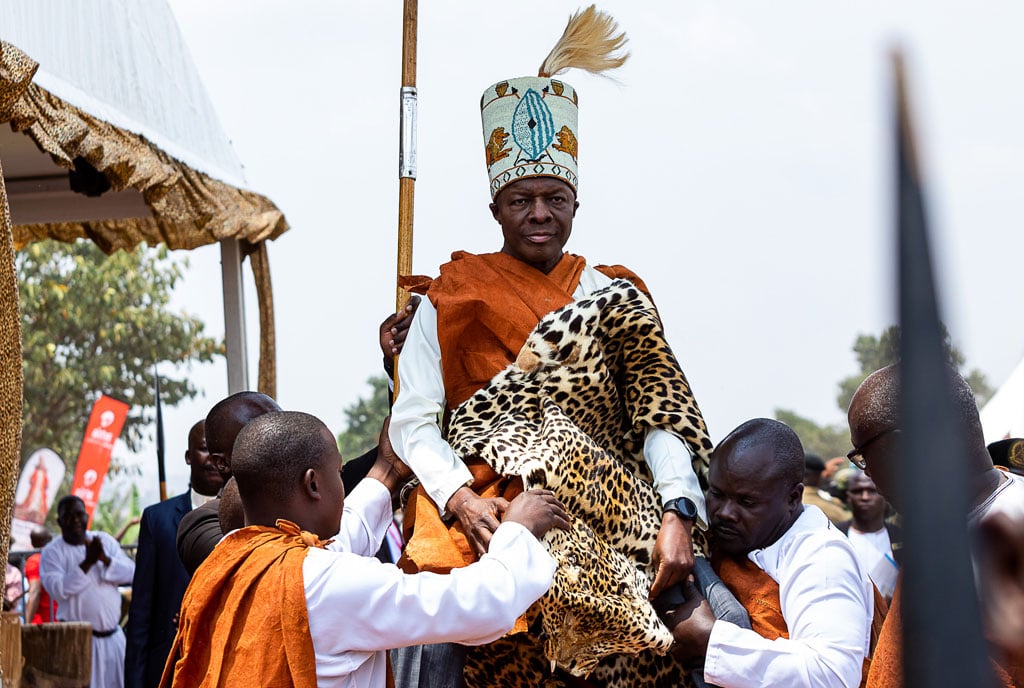
Ugandan Monarchy System
Ugandan Monarchy System
The Ugandan Monarchy System: A Comprehensive Exploration
Introduction to the Ugandan Monarchy System
The Ugandan monarchy system is a unique blend of traditional governance and modern political structures. It represents a significant aspect of Uganda’s cultural heritage and plays a crucial role in the social and political landscape of the country. This article delves into the intricacies of the Ugandan monarchy, examining its history, structure, and contemporary relevance.
Historical Background of the Ugandan Monarchy
Origins and Evolution
The roots of the Ugandan monarchy system can be traced back to the pre-colonial era when various kingdoms existed independently. These kingdoms, such as Buganda, Bunyoro, and Toro, were governed by kings known as “Kabakas” or “Omukamas.” The monarchy system was deeply intertwined with the cultural and spiritual life of the people.
Impact of Colonialism
Colonial rule brought significant changes to the Ugandan monarchy system. The British colonial administration recognized and utilized the existing monarchies to exert control over the region. This period saw the transformation of traditional monarchies into constitutional entities, with reduced powers and increased ceremonial roles.
Structure of the Ugandan Monarchy System
Key Components
The Ugandan monarchy system comprises several key components, each playing a distinct role in governance and cultural preservation:
- Kabaka/Omukama: The king or paramount chief, who serves as the ceremonial head of the kingdom.
- Lukiiko: The traditional council or parliament, which advises the king and participates in decision-making processes.
- Clan System: A fundamental aspect of the monarchy, where clans play a crucial role in social organization and governance.
Modern Adaptations
In contemporary Uganda, the monarchy system has undergone adaptations to align with the country’s democratic framework. While the monarchs hold limited political power, they continue to wield significant influence in cultural and social matters.
The Role of Monarchy in Modern Uganda
Cultural Significance
The Ugandan monarchy system remains a vital custodian of cultural heritage. It plays a pivotal role in preserving traditional customs, rituals, and languages, ensuring that Uganda’s rich history is passed down to future generations.
Political Influence
Although the monarchy’s political power is largely symbolic, it holds sway over public opinion and can influence political discourse. Monarchs often act as mediators in conflicts and advocates for social justice, leveraging their moral authority to address pressing issues.
Challenges Facing the Ugandan Monarchy
Balancing Tradition and Modernity
One of the primary challenges facing the Ugandan monarchy system is striking a balance between preserving traditional values and adapting to modern societal changes. This requires careful navigation to ensure that cultural heritage is upheld while embracing progress.
Political Tensions
The relationship between the monarchy and the central government can sometimes be fraught with tension. Disputes over land, resources, and political influence have occasionally strained this relationship, necessitating diplomatic efforts to maintain harmony.
The Future of the Ugandan Monarchy System
Opportunities for Growth
The Ugandan monarchy system has the potential to play a more active role in national development. By leveraging their cultural influence, monarchs can contribute to initiatives in education, healthcare, and environmental conservation.
Embracing Technological Advancements
In the digital age, the monarchy can harness technology to engage with younger generations and promote cultural awareness. Social media platforms and digital archives can serve as valuable tools for preserving and sharing Uganda’s rich cultural heritage.
Conclusion
The Ugandan monarchy system is a testament to the enduring legacy of traditional governance in a modern world. It embodies the resilience and adaptability of Uganda’s cultural heritage, offering a unique perspective on the intersection of tradition and progress. As the country continues to evolve, the monarchy system will undoubtedly remain an integral part of Uganda’s identity.
Frequently Asked Questions (FAQ)
1. What is the role of the Kabaka in the Ugandan monarchy system?
The Kabaka serves as the ceremonial head of the kingdom, representing the cultural and spiritual leader of the people. While their political power is limited, they hold significant influence in cultural and social matters.
2. How does the Ugandan monarchy system differ from other monarchies?
The Ugandan monarchy system is unique in its integration of traditional governance with modern political structures. It operates within a constitutional framework, with monarchs playing primarily ceremonial roles.
3. What challenges does the Ugandan monarchy face in the modern era?
The Ugandan monarchy faces challenges such as balancing tradition with modernity, navigating political tensions with the central government, and adapting to societal changes while preserving cultural heritage.
4. How can the Ugandan monarchy contribute to national development?
The monarchy can contribute to national development by leveraging its cultural influence to support initiatives in education, healthcare, and environmental conservation. Monarchs can also act as advocates for social justice and mediators in conflicts.
5. What is the significance of the clan system in the Ugandan monarchy?
The clan system is a fundamental aspect of the Ugandan monarchy, playing a crucial role in social organization and governance. It helps preserve cultural traditions and fosters a sense of identity and belonging among the people.