
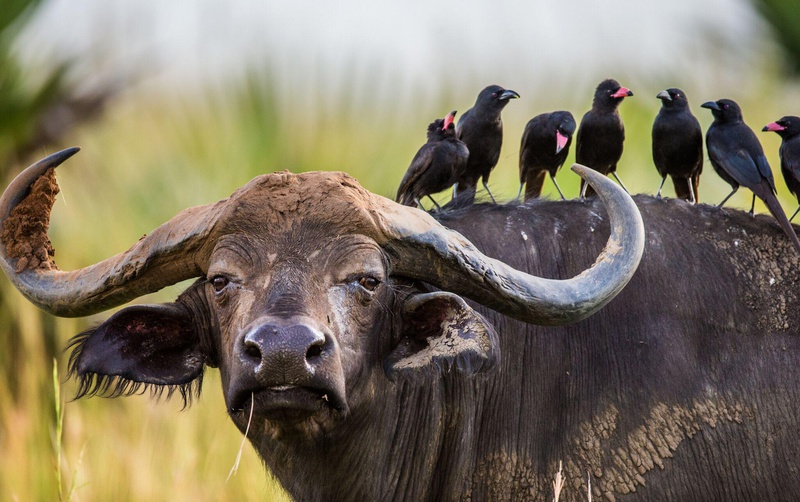
Uganda’s Nature Activities
Uganda’s Nature Activities
Exploring Uganda’s Nature Activities: A Journey Through the Pearl of Africa
Uganda, fondly referred to as the “Pearl of Africa,” is a land of breathtaking landscapes, diverse wildlife, and vibrant cultures. Nestled in East Africa, this country offers a plethora of nature activities that attract adventurers, wildlife enthusiasts, and eco-tourists from around the globe. From the majestic mountain ranges to the serene shores of Lake Victoria, Uganda is a haven for those seeking an immersive experience in nature. In this article, we will delve into the top nature activities in Uganda, providing a comprehensive guide for travelers eager to explore this remarkable destination.
Why Uganda is a Nature Lover’s Paradise
Uganda’s unique geographical location, straddling the equator, gives it a diverse ecosystem that is home to some of the most fascinating flora and fauna on the planet. The country boasts ten national parks, numerous wildlife reserves, and a variety of landscapes, including savannahs, wetlands, forests, and mountains. Whether you’re an avid trekker, a bird-watching enthusiast, or someone who simply enjoys the tranquility of nature, Uganda has something for everyone.
Top Nature Activities in Uganda
Gorilla Trekking in Bwindi Impenetrable National Park
One of Uganda’s most iconic experiences is gorilla trekking in the Bwindi Impenetrable National Park. This UNESCO World Heritage Site is home to nearly half of the world’s mountain gorilla population. Trekking through the dense forest to observe these majestic creatures in their natural habitat is a once-in-a-lifetime experience.
- Best Time to Visit: June to September and December to February.
- What to Bring: Sturdy hiking boots, waterproof clothing, and a camera.
Wildlife Safaris in Queen Elizabeth National Park
Queen Elizabeth National Park is renowned for its diverse wildlife, including lions, elephants, buffaloes, and hippos. The park is also famous for its tree-climbing lions in the Ishasha sector. A safari here offers a chance to witness Uganda’s rich biodiversity up close.
- Activities:
- Game drives during sunrise and sunset.
- Boat cruises on the Kazinga Channel.
- Guided nature walks.
Chimpanzee Tracking in Kibale Forest National Park
Known as the “Primate Capital of the World,” Kibale Forest National Park is home to 13 primate species, including chimpanzees. Tracking these intelligent creatures is an exhilarating experience that offers insight into their behavior and social structures.
- Additional Highlights:
- Bird watching with over 375 bird species.
- Exploring the Bigodi Wetland Sanctuary.
Hiking and Mountaineering in the Rwenzori Mountains
The Rwenzori Mountains, also known as the “Mountains of the Moon,” are a UNESCO World Heritage Site and a dream destination for hikers and climbers. The snow-capped peaks, glacial lakes, and unique vegetation make this range one of the most picturesque in Africa.
- Popular Trails:
- Central Circuit Trail.
- Kilembe Trail.
Exploring Murchison Falls National Park
Murchison Falls National Park is home to the world’s most powerful waterfall, where the Nile River squeezes through a narrow gorge before plunging into the river below. Visitors can enjoy boat safaris, game drives, and guided hikes to the top of the falls.
- Wildlife to Spot:
- Giraffes, crocodiles, and various bird species.
Unique Nature Experiences in Uganda
Bird Watching in Mabamba Swamp
Uganda is a bird-watcher’s paradise, with over 1,000 bird species recorded. The Mabamba Swamp, located near Lake Victoria, is one of the best places to spot the elusive shoebill stork.
- Other Birds to Watch:
- African jacana.
- Malachite kingfisher.
White-Water Rafting on the Nile
For adrenaline junkies, white-water rafting on the Nile River near Jinja is an unforgettable experience. The rapids range from mild to extreme, catering to both beginners and seasoned rafters.
- Other Activities in Jinja:
- Kayaking.
- Bungee jumping.
Cultural Encounters with Indigenous Communities
Uganda’s nature activities are not limited to wildlife and landscapes. Engaging with indigenous communities, such as the Batwa pygmies, offers a deeper understanding of the country’s rich cultural heritage.
- What to Expect:
- Traditional dances and music.
- Storytelling sessions.
Sustainable Tourism in Uganda
Uganda is committed to promoting sustainable tourism practices that benefit both the environment and local communities. Many nature activities are designed to minimize environmental impact while providing economic opportunities for residents.
- Eco-Friendly Lodges:
- Buhoma Lodge in Bwindi.
- Kyambura Gorge Lodge in Queen Elizabeth National Park.
- Community-Based Tourism Initiatives:
- Craft markets.
- Guided village tours.
Travel Tips for Exploring Uganda’s Nature
- Best Time to Visit: Uganda has two dry seasons (December to February and June to September), which are ideal for most nature activities.
- What to Pack:
- Lightweight, breathable clothing.
- Insect repellent and sunscreen.
- A good pair of binoculars for bird watching.
- Health Precautions:
- Vaccinations for yellow fever and malaria prophylaxis are recommended.
Frequently Asked Questions (FAQ)
1. What is the best time for gorilla trekking in Uganda?
The best time for gorilla trekking is during the dry seasons, from June to September and December to February. The trails are less muddy, making it easier to navigate the forest.
2. Are there any age restrictions for gorilla trekking?
Yes, participants must be at least 18 years old to go gorilla trekking in Uganda.
3. How can I obtain a permit for gorilla trekking?
Gorilla trekking permits can be obtained through the Uganda Wildlife Authority or licensed tour operators. It’s advisable to book well in advance due to high demand.
4. What wildlife can I expect to see on a safari in Uganda?
Uganda’s safaris offer sightings of lions, elephants, giraffes, hippos, crocodiles, and a variety of bird species. The Ishasha sector is particularly famous for tree-climbing lions.
5. Is Uganda safe for tourists?
Yes, Uganda is generally safe for tourists. However, it’s essential to follow travel advisories, respect local customs, and hire reputable guides for nature activities.
Conclusion
Uganda’s nature activities offer a perfect blend of adventure, wildlife, and cultural experiences. Whether you’re trekking through the forests of Bwindi, rafting on the Nile, or exploring the Rwenzori Mountains, the Pearl of Africa promises an unforgettable journey. By embracing sustainable tourism practices, travelers can contribute to the preservation of Uganda’s natural beauty for generations to come. So pack your bags and get ready to explore this extraordinary destination!