
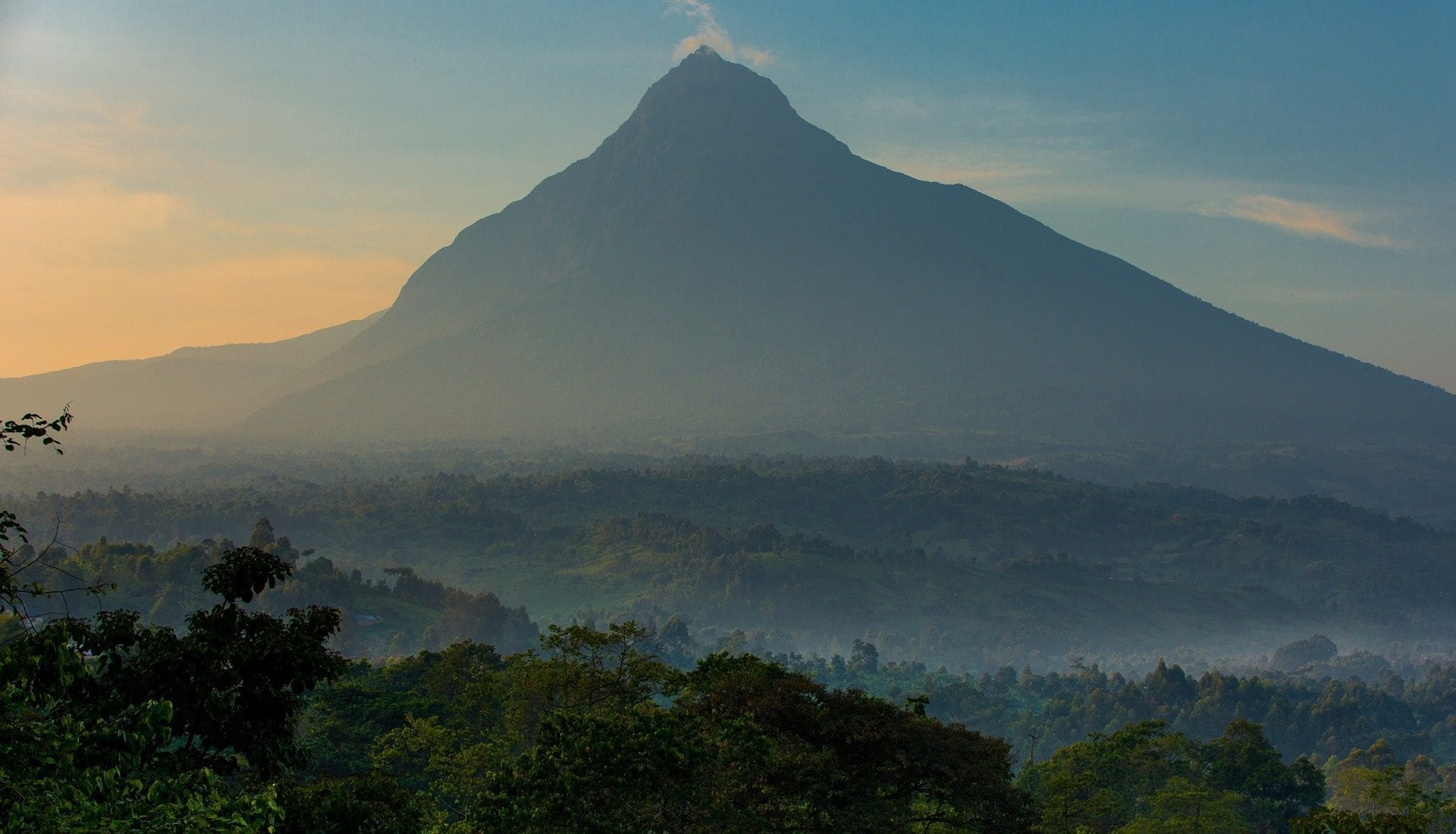
Virunga National Park DRC
Virunga National Park DRC
Virunga National Park DRC: A Hidden Gem of Africa’s Untamed Wilderness
Introduction
Nestled in the eastern region of the Democratic Republic of Congo (DRC), Virunga National Park is one of the most biodiverse and ecologically significant protected areas on the planet. Established in 1925, it is Africa’s oldest national park and a UNESCO World Heritage Site. Despite its turbulent history, the park remains a beacon of hope for conservation, tourism, and sustainable development in Central Africa.
This article delves deep into the wonders of Virunga National Park, exploring its rich biodiversity, conservation efforts, tourism potential, and the challenges it faces. Whether you’re an eco-tourist, a wildlife enthusiast, or a conservation advocate, this comprehensive guide will reveal why Virunga is a crown jewel of African wilderness.
Geographical Significance and Location
Virunga National Park spans over 7,800 square kilometers, stretching from the Virunga Mountains in the south to the Rwenzori Mountains in the north. It borders both Uganda’s Queen Elizabeth National Park and Rwanda’s Volcanoes National Park, forming part of the larger Albertine Rift, a region renowned for its exceptional biodiversity.
Key Geographical Features:
- Lake Edward: A vital water source and habitat for hippos and fish species.
- Rwenzori Mountains: Also known as the “Mountains of the Moon,” these snow-capped peaks are a haven for alpine flora.
- Virunga Volcanoes: Home to active volcanoes like Mount Nyiragongo, with its mesmerizing lava lake.
Biodiversity and Ecosystems
Virunga is a sanctuary for over 2,000 plant species and more than 1,200 animal species, including mammals, birds, reptiles, and amphibians. Its diverse ecosystems range from savannas and swamps to montane forests and glaciers.
Notable Wildlife:
- Eastern Lowland Gorillas
- Mountain Gorillas
- African Elephants
- Okapis
- Lions and Leopards
- Chimpanzees
Key Ecosystems:
- Montane Forests: Rich in endemic species and crucial for gorilla habitats.
- Alpine Meadows: Found in the high-altitude Rwenzori region.
- Lava Plains: Unique geological formations supporting specialized flora and fauna.
For more on the park’s biodiversity, visit the Virunga Alliance.
Mountain Gorillas: The Park’s Iconic Residents
Perhaps the most famous inhabitants of Virunga are its endangered Mountain Gorillas. These gentle giants live in the southern sector of the park, particularly in the Mikeno area near Bukima.
Gorilla Trekking Experience:
- Permits: Required and limited to protect the gorillas.
- Guided Tours: Led by trained rangers and trackers.
- Best Time to Visit: Dry seasons from June to September and December to February.
Conservation efforts have helped stabilize the gorilla population, making Virunga a critical stronghold for their survival.
Volcanoes and Geological Marvels
Virunga is home to two of the world’s most active volcanoes—Mount Nyiragongo and Mount Nyamuragira. These geological wonders offer thrilling hiking experiences and breathtaking views.
Mount Nyiragongo:
- Lava Lake: One of the world’s largest and most persistent.
- Hiking Duration: Typically a two-day trek.
- Overnight Stay: At summit shelters with panoramic views.
These volcanoes not only shape the park’s landscape but also contribute to its rich soil and diverse vegetation.
Conservation Challenges and Efforts
Despite its natural wealth, Virunga faces numerous threats, including poaching, deforestation, armed conflict, and illegal resource extraction. The park has lost over 200 rangers in the line of duty, highlighting the risks involved in its protection.
Major Threats:
- Militia Activity
- Illegal Charcoal Trade
- Oil Exploration
- Human Encroachment
Conservation Initiatives:
- The Virunga Foundation: A UK-based charity managing the park.
- Ranger Training Programs
- Community-Based Projects
- International Partnerships: With organizations like WWF and UNESCO.
Virunga’s conservation model integrates environmental protection with economic development, setting a global example.
Tourism in Virunga National Park
Tourism is a vital component of Virunga’s sustainability strategy. It not only generates revenue but also raises awareness about the park’s ecological importance.
Popular Activities:
- 🦍 Gorilla Trekking
- 🌋 Volcano Climbing
- 🥾 Nature Walks
- 🐘 Wildlife Safaris
- 📸 Photography Tours
Accommodation Options:
- Mikeno Lodge: Luxury eco-lodge near gorilla trekking sites.
- Bukima Tented Camp: Ideal for adventure travelers.
- Kibumba Tented Camp: Affordable and scenic.
Tourism is closely monitored to ensure minimal environmental impact and maximum benefit to local communities.
Community Involvement and Sustainable Development
The success of Virunga’s conservation efforts hinges on the involvement of local communities. Through the Virunga Alliance, the park promotes sustainable development initiatives that improve livelihoods and reduce dependence on natural resources.
Key Projects:
- Hydroelectric Power Plants: Providing clean energy to thousands.
- Agricultural Training: Supporting sustainable farming practices.
- Education Programs: Building schools and training centers.
- Health Clinics: Offering medical services to remote areas.
These initiatives foster a sense of ownership among locals, transforming them into stewards of the park.
Security and Safety Measures
Given its location in a conflict-prone region, safety is a top priority for Virunga National Park. The park has implemented stringent security protocols to protect visitors and staff.
Safety Measures:
- Armed Ranger Escorts
- Restricted Access Zones
- Real-Time Monitoring
- Collaborations with DRC Armed Forces
Before planning a visit, it’s advisable to check travel advisories from government websites and consult with the Virunga tourism office.
How to Visit Virunga National Park
Planning a trip to Virunga requires careful preparation due to its remote location and security considerations.
Travel Tips:
- Visa Requirements: Obtain a DRC tourist visa.
- Entry Points: Goma is the main gateway, accessible via Rwanda.
- Tour Operators: Use licensed agencies for guided tours.
- Health Precautions: Vaccinations for yellow fever, typhoid, and malaria prophylaxis are recommended.
Packing Essentials:
- 🥾 Hiking Boots
- 🧥 Warm Clothing
- 🎒 Daypack
- 📷 Camera with Zoom Lens
- 🧴 Insect Repellent
For updated travel information, visit Visit Virunga.
Frequently Asked Questions
1. Is Virunga National Park safe for tourists?
Yes, but only under guided tours and with proper security measures. The park authorities prioritize visitor safety through armed escorts and restricted access zones. Always check travel advisories before planning your trip.
2. What is the best time to visit Virunga?
The dry seasons from June to September and December to February offer the best conditions for trekking and wildlife viewing. Rainy seasons may hinder accessibility and visibility.
3. How can I see the mountain gorillas?
You need to book a gorilla trekking permit in advance. Treks are conducted daily with limited group sizes to minimize stress on the animals.
4. What is the cost of visiting Virunga?
Costs vary depending on the activities. Gorilla trekking permits are around $400, while volcano hikes and accommodations add to the total. Package tours are available for convenience.
5. Can I climb Mount Nyiragongo?
Yes, guided hikes are available through the park. The trek takes two days and includes an overnight stay at the summit. Check the official site for availability and safety updates.
Conclusion
Virunga National Park is more than just a wildlife reserve—it is a symbol of resilience, a sanctuary of biodiversity, and a beacon of hope for conservation in Africa. From its majestic mountain gorillas to its fiery volcanoes, the park offers an unparalleled adventure for those seeking nature in its rawest form.
Despite the challenges, Virunga continues to thrive, thanks to the dedication of its rangers, the support of local communities, and the interest of global travelers. By visiting responsibly and supporting conservation efforts, you become part of a larger mission to protect one of Earth’s most precious ecosystems.