
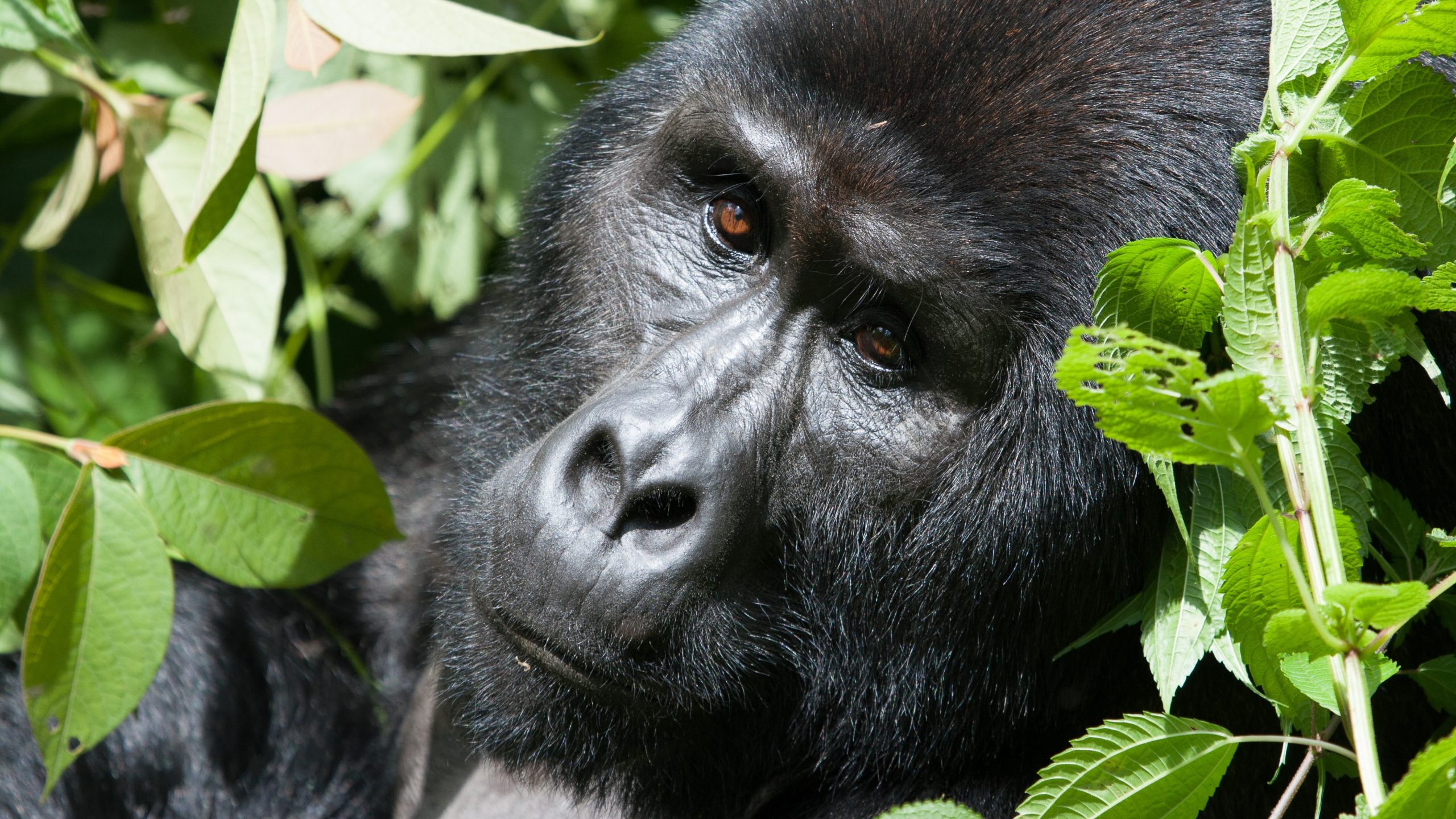
Volcanoes National Park Gorilla Trekking
Volcanoes National Park Gorilla Trekking
Volcanoes National Park Gorilla Trekking: The Complete Guide.
Volcanoes National Park in Rwanda is one of the world’s most iconic places to see mountain gorillas in the wild. Set across the misty Virunga Mountains, the park combines dramatic volcanic scenery with one of conservation’s greatest success stories: the recovery of the endangered mountain gorilla.
This guide covers everything you need to know about gorilla trekking in Volcanoes National Park permits, best time to go, what the trek is like, what to pack, rules for visiting gorillas, and how to plan a smooth itinerary.
Gorilla Trekking in Volcanoes National Park: What Makes It Special?
Gorilla trekking here is often described as a once-in-a-lifetime experience because:
- The park is home to habituated gorilla families, allowing regulated visits.
- The terrain is lush, cinematic, and distinctly “Virunga” bamboo zones, montane forest, and volcanic slopes.
- Rwanda’s tourism infrastructure makes logistics straightforward compared to many remote wildlife destinations.
- Your visit directly supports conservation and community initiatives through permit revenues.
Understanding Gorilla Trekking: How the Day Works
1) Early Morning Briefing at Park HQ
Treks typically start from the Kinigi area near park headquarters. You’ll arrive early (often around 7:00 a.m.) for:
- Ranger briefing (rules, safety, gorilla etiquette)
- Assignment to a gorilla family group
- Grouping by fitness level and trek difficulty when possible
2) Drive to the Trailhead
Depending on the gorilla family’s location that day, you may drive 20–60 minutes to reach the starting point.
3) The Hike (Variable Duration)
Trekking time can range from under 1 hour to 4+ hours each way, depending on:
- Gorilla movement overnight
- Weather and trail conditions
- Elevation and pace of the group
4) The Encounter (1 Hour)
Once you reach the gorillas, you have one hour with them. This is strict and non-negotiable for conservation and health reasons.
Gorilla Permits for Volcanoes National Park (Rwanda)
A gorilla permit is mandatory. It typically includes:
- Park entry for the trekking activity
- Guide/ranger escort
- One hour with a habituated gorilla family
Important permit tips
- Book early, especially for peak months.
- Align permits before you finalize hotels availability dictates everything.
- Carry your passport/ID used for the booking.
Best Time for Gorilla Trekking in Volcanoes National Park
You can trek year-round, but conditions vary.
Dry seasons (easier hiking, clearer trails)
- June to September
- December to February
Advantages:
- Less muddy trails
- Better visibility for photography
- More comfortable hiking conditions
Wet seasons (lush scenery, fewer crowds)
- March to May
- October to November
Advantages:
- Fewer visitors (sometimes)
- Vibrant, green landscapes
- Occasionally better permit availability
Note: Rain can happen anytime in the Virungas packing rain gear is non-optional.
What to Pack for Gorilla Trekking (Practical Checklist)
Clothing (trail-ready)
- Long-sleeve shirt (protects from nettles and insects)
- Hiking trousers (not shorts)
- Waterproof jacket or poncho
- Light layers (mornings can be cool)
Footwear
- Sturdy hiking boots with ankle support
- Gaiters (optional but great for mud)
Essentials
- Daypack with rain cover
- Reusable water bottle (1–2L)
- High-energy snacks
- Gardening gloves (helpful for gripping vegetation)
- Sunscreen + insect repellent
Photography
- Camera with fast lens if possible (low light under canopy)
- Extra batteries (cold drains power)
- Avoid flash photography
Gorilla Trekking Rules & Etiquette (What Rangers Enforce)
These rules protect both gorillas and visitors:
- Keep at least 7 meters away (guides may adjust based on gorilla movement)
- No flash photos
- Don’t trek if you’re sick (especially flu/cough)
- Speak quietly; move slowly
- Don’t touch the gorillas
- Follow ranger instructions at all times
Mountain gorillas share much of our DNA, making them vulnerable to human respiratory illnesses, this is why rules are strict.
How Difficult Is the Trek?
Volcanoes National Park can be physically demanding due to:
- Steep slopes
- High altitude
- Muddy ground
- Dense vegetation
That said, most reasonably fit travelers can do it with breaks and pacing.
Tips to make it easier
- Train with hill walks and stair climbs before your trip
- Choose the right gorilla group difficulty if possible
- Hire a porter (highly recommended)
Hiring a Porter: Why It’s Worth It
Porters help carry your daypack and support you on tricky sections. Benefits include:
- Reduced fatigue
- Better stability in mud
- Direct community support (porter fees help local livelihoods)
Even if you feel fit, a porter can make the trek significantly more enjoyable.
Where to Stay Near Volcanoes National Park
Most accommodations are in Musanze (Ruhengeri) or near Kinigi, offering various comfort levels.
Common location priorities
- Short drive to park HQ for early start
- Good road access
- Comfortable room heating (nights can be cool)
Typical Itineraries for Gorilla Trekking in Rwanda
2-Day Gorilla Trekking Itinerary
Day 1: Kigali → Musanze/Kinigi (visit optional sites en route)
Day 2: Gorilla trek → return to Kigali (or onward)
Best for travelers with limited time.
3-Day Gorilla Trekking Itinerary (Balanced)
Day 1: Arrive Kigali, transfer north
Day 2: Gorilla trek + optional cultural experience
Day 3: Golden monkey trek or Dian Fossey tomb hike → depart
4–6 Days (Add Other Rwanda Highlights)
Combine Volcanoes with:
- Nyungwe Forest (chimp trekking, canopy walk)
- Akagera National Park (savannah safari)
Golden Monkey Trekking:
If you have an extra day, golden monkeys are a lively and photogenic primate experience in the same region. Treks are often shorter than gorilla treks.
Photography Tips for Gorilla Encounters
- Use higher ISO instead of flash
- Prioritize shutter speed (gorillas move unexpectedly)
- Don’t get so focused on photos that you miss the moment watch behavior, family dynamics, grooming, and play
Costs: What to Budget For (Beyond the Permit)
Your total cost generally includes:
- Gorilla permit
- Accommodation (1–3+ nights)
- Transport (private driver or tour)
- Park/guide logistics
- Tips (rangers, trackers, porters)
- Meals and extras
Responsible Travel: Conservation & Community Impact
Gorilla trekking is a model of high-value, low-volume tourism. Permit revenues support:
- Park protection
- Veterinary intervention (when necessary)
- Ranger salaries and monitoring
- Community initiatives that reduce human-wildlife conflict
You can amplify impact by:
- Hiring local porters
- Choosing community-linked lodges
- Respecting all health and distance guidelines
FAQ: Volcanoes National Park Gorilla Trekking
1) How long does a gorilla trek take in Volcanoes National Park?
It varies widely some treks are under an hour, others take several hours each way. The gorilla viewing time is always one hour.
2) Is gorilla trekking safe?
Yes, when you follow ranger instructions. Rangers are trained, and gorilla families are habituated. Safety rules (distance, calm behavior) are strictly enforced.
3) What should I wear for gorilla trekking in Rwanda?
Wear long sleeves, long trousers, waterproof layers, and sturdy hiking boots. Bring gloves to handle stinging nettles and thick vegetation.
4) Can children go gorilla trekking in Volcanoes National Park?
There is typically a minimum age requirement (commonly 15 years). Confirm current rules at booking time.
5) Should I hire a porter?
Strongly recommended. Porters make the hike easier and support local livelihoods directly.