
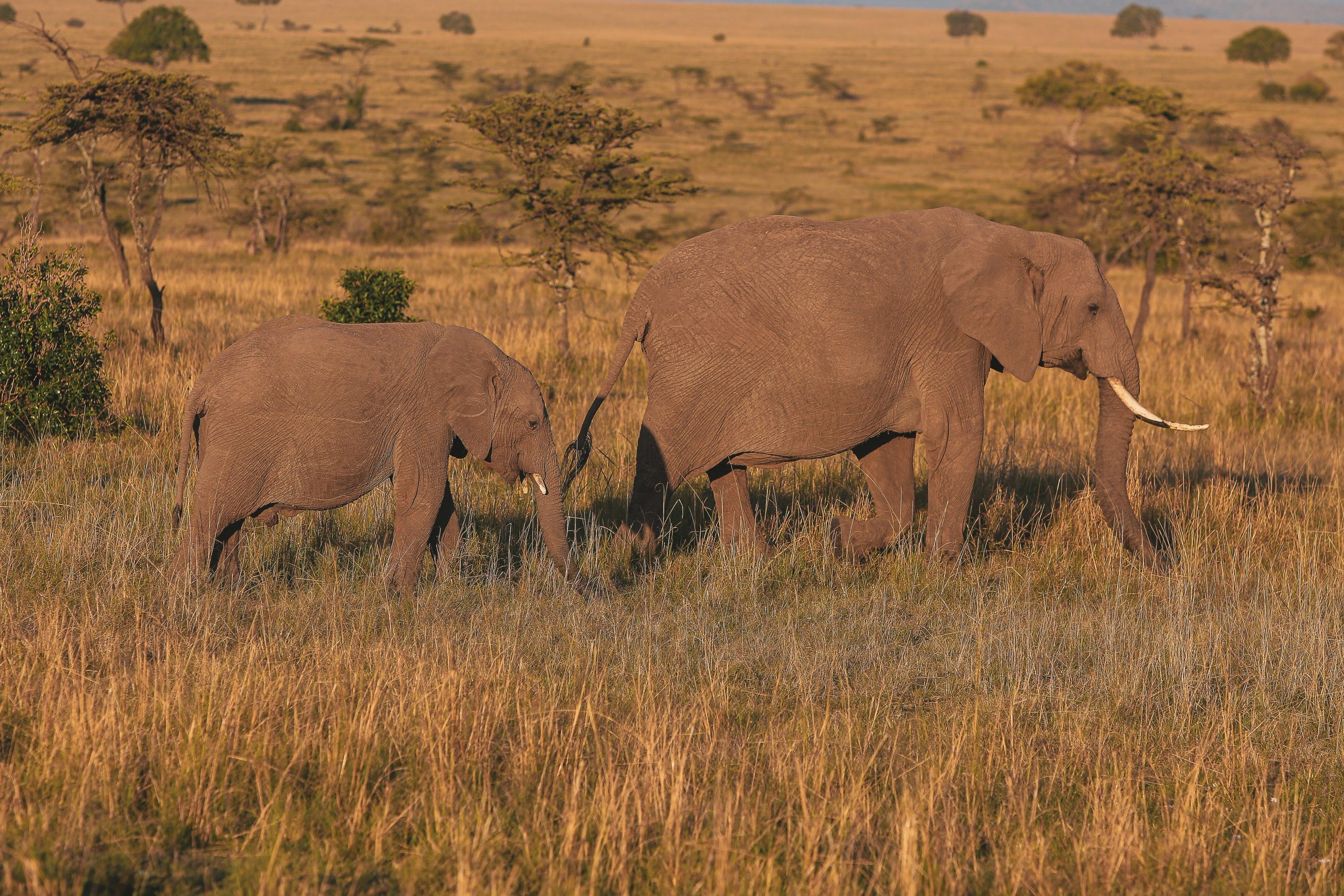
Walking Safari in Rwanda
Walking Safari in Rwanda
Walking Safari in Rwanda: An Immersive Journey into Africa’s Untamed Wilderness
Introduction
Rwanda, often celebrated for its majestic mountain gorillas and lush volcanic landscapes, is rapidly emerging as a premier destination for immersive wildlife experiences. Among the most intimate and exhilarating of these is the walking safari—a transformative journey that allows adventurers to explore the heart of Rwanda’s wilderness on foot. Unlike traditional game drives, a walking safari offers a visceral connection to nature, where every sound, scent, and footprint tells a story.
In this comprehensive guide, we delve deep into the world of walking safaris in Rwanda. From the best destinations and what to expect, to conservation efforts and travel tips, this article is your ultimate resource for planning an unforgettable walking safari adventure.
Why Choose a Walking Safari in Rwanda?
A Deeper Connection with Nature
Unlike vehicle-based safaris, walking safaris immerse you in the environment. You become part of the ecosystem, observing wildlife behavior up close and learning to interpret the subtle signs of the bush. This slower, more deliberate pace allows for a richer understanding of the flora and fauna.
Rwanda’s Unique Biodiversity
Rwanda is home to a stunning array of ecosystems—from the misty rainforests of Volcanoes National Park to the sweeping savannahs of Akagera National Park. These diverse habitats support a wide range of species, including:
- Elephants
- Lions
- Giraffes
- Zebras
- Hippos
- Over 700 bird species
Conservation and Community Engagement
Walking safaris in Rwanda are often led by expert local guides who are deeply connected to the land. Many of these tours support conservation initiatives and community development, ensuring your visit has a positive impact.
Top Destinations for Walking Safaris in Rwanda
1. Akagera National Park
Located in eastern Rwanda, Akagera National Park is the country’s only savannah park and a top destination for walking safaris. Managed by African Parks in partnership with the Rwandan government, Akagera has undergone a remarkable transformation, reintroducing lions and black rhinos and restoring the ecosystem.
Highlights:
- Guided nature walks with armed rangers
- Birdwatching tours along Lake Ihema
- Tracking footprints and animal signs in the bush
2. Nyungwe Forest National Park
This ancient rainforest in southwestern Rwanda is a biodiversity hotspot, home to 13 primate species and over 1,000 plant species. Nyungwe offers a different kind of walking safari—one that takes you through dense forest trails and across the iconic canopy walkway.
Highlights:
- Chimpanzee tracking on foot
- Forest hikes with botanical insights
- Birdwatching in one of Africa’s richest avian habitats
3. Volcanoes National Park
While best known for gorilla trekking, Volcanoes National Park also offers guided hikes through bamboo forests and volcanic terrain. These treks provide opportunities to see golden monkeys, rare birds, and even the elusive forest elephant.
Highlights:
- Golden monkey tracking
- Dian Fossey’s Karisoke Research Center hike
- Cultural walks to nearby villages
What to Expect on a Walking Safari
Guided Expertise
All walking safaris in Rwanda are led by trained guides and armed rangers. These professionals are not only skilled in wildlife tracking but also deeply knowledgeable about the local ecology and cultural heritage.
Safety First
While walking among wild animals may sound daunting, safety is paramount. Guides are trained to read animal behavior and maintain safe distances. Walks are conducted in small groups to minimize impact and maximize safety.
Physical Requirements
Walking safaris vary in difficulty, from gentle strolls to more strenuous hikes. It’s important to choose a safari that matches your fitness level. Most tours provide:
- Briefings before the walk
- Regular rest stops
- Emergency communication equipment
Best Time for a Walking Safari in Rwanda
Rwanda’s equatorial climate makes it a year-round destination, but the best time for walking safaris is during the dry seasons:
- June to September: Ideal for wildlife viewing as animals gather around water sources.
- December to February: Fewer rains and excellent birdwatching opportunities.
During the wet seasons (March–May and October–November), trails can become slippery, and visibility may be reduced.
Essential Packing List
To ensure a comfortable and safe walking safari, pack the following:
- Lightweight, neutral-colored clothing
- Sturdy hiking boots
- Wide-brimmed hat and sunglasses
- Reusable water bottle
- Insect repellent and sunscreen
- Binoculars and camera
- Waterproof backpack
- Personal first-aid kit
Conservation and Responsible Tourism
Supporting Local Communities
Many walking safaris are community-based, offering employment and income to local guides, porters, and artisans. Participating in these tours helps sustain rural livelihoods and promotes cultural exchange.
Wildlife Protection
Tourism revenue supports anti-poaching efforts, habitat restoration, and species reintroduction programs. By choosing ethical safari operators, travelers contribute to the long-term survival of Rwanda’s wildlife.
Eco-Friendly Practices
Responsible safari operators adhere to eco-friendly principles:
- Leave-no-trace policies
- Use of biodegradable products
- Limiting group sizes to reduce environmental impact
Cultural Encounters Along the Trail
Walking safaris in Rwanda often include visits to local communities, where travelers can:
- Learn traditional hunting and tracking techniques
- Participate in basket weaving or banana beer brewing
- Enjoy performances of Intore dance and drumming
These experiences enrich the safari, offering insights into Rwanda’s vibrant culture and history.
Photography Tips for Walking Safaris
Capturing the essence of a walking safari requires a thoughtful approach:
- Use a zoom lens for distant wildlife
- Keep your camera silent to avoid startling animals
- Focus on storytelling—include landscapes, tracks, and guide interactions
- Respect wildlife: never approach too closely for a shot
Choosing the Right Safari Operator
When selecting a walking safari provider in Rwanda, consider:
- Certification and licensing
- Guide experience and training
- Group size and safety protocols
- Commitment to sustainability and community engagement
Walking Safari vs. Gorilla Trekking
While both experiences involve walking in nature, they offer distinct adventures:
| Feature | Walking Safari | Gorilla Trekking |
|---|---|---|
| Wildlife Focus | Diverse species (elephants, birds, etc.) | Mountain gorillas |
| Terrain | Savannah, forest, wetlands | Steep, forested volcanic slopes |
| Group Size | Small groups (4–6 people) | Regulated groups (max 8 per gorilla family) |
| Duration | Half-day to multi-day walks | 1–3 hours of trekking |
| Conservation Impact | Broad ecosystem support | Species-specific conservation |
Frequently Asked Questions (FAQ)
1. Is a walking safari in Rwanda safe?
Yes. All walking safaris are conducted by trained guides and armed rangers. Safety protocols are strictly followed, and briefings are given before each walk.
2. Can children participate in walking safaris?
Most operators have age restrictions (usually 12+), but some offer family-friendly nature walks in less challenging areas. Always check with the tour provider.
3. What wildlife can I expect to see?
Depending on the park, you may encounter:
- Elephants
- Buffalo
- Giraffes
- Antelope species
- Primates
- Numerous bird species
4. How much does a walking safari cost?
Prices vary based on location, duration, and operator. Expect to pay between $50 and $150 for a half-day walk, and upwards of $500 for multi-day safaris with accommodation.
5. Do I need a permit?
Some parks require permits for walking safaris, especially in protected areas like Nyungwe and Volcanoes National Park. Your tour operator will usually handle this.
Final Thoughts
A walking safari in Rwanda is more than an adventure—it’s a journey into the soul of Africa. It offers a rare opportunity to slow down, observe, and connect with the natural world in a deeply personal way. Whether you’re tracking wildlife through the savannahs of Akagera, exploring the misty trails of Nyungwe, or hiking the volcanic slopes of the Virungas, Rwanda’s walking safaris promise unforgettable memories and meaningful encounters.
By choosing responsible tourism and supporting local communities, you become part of a larger story—one that celebrates biodiversity, preserves cultural heritage, and ensures that Rwanda’s wild heart continues to beat for generations to come.