
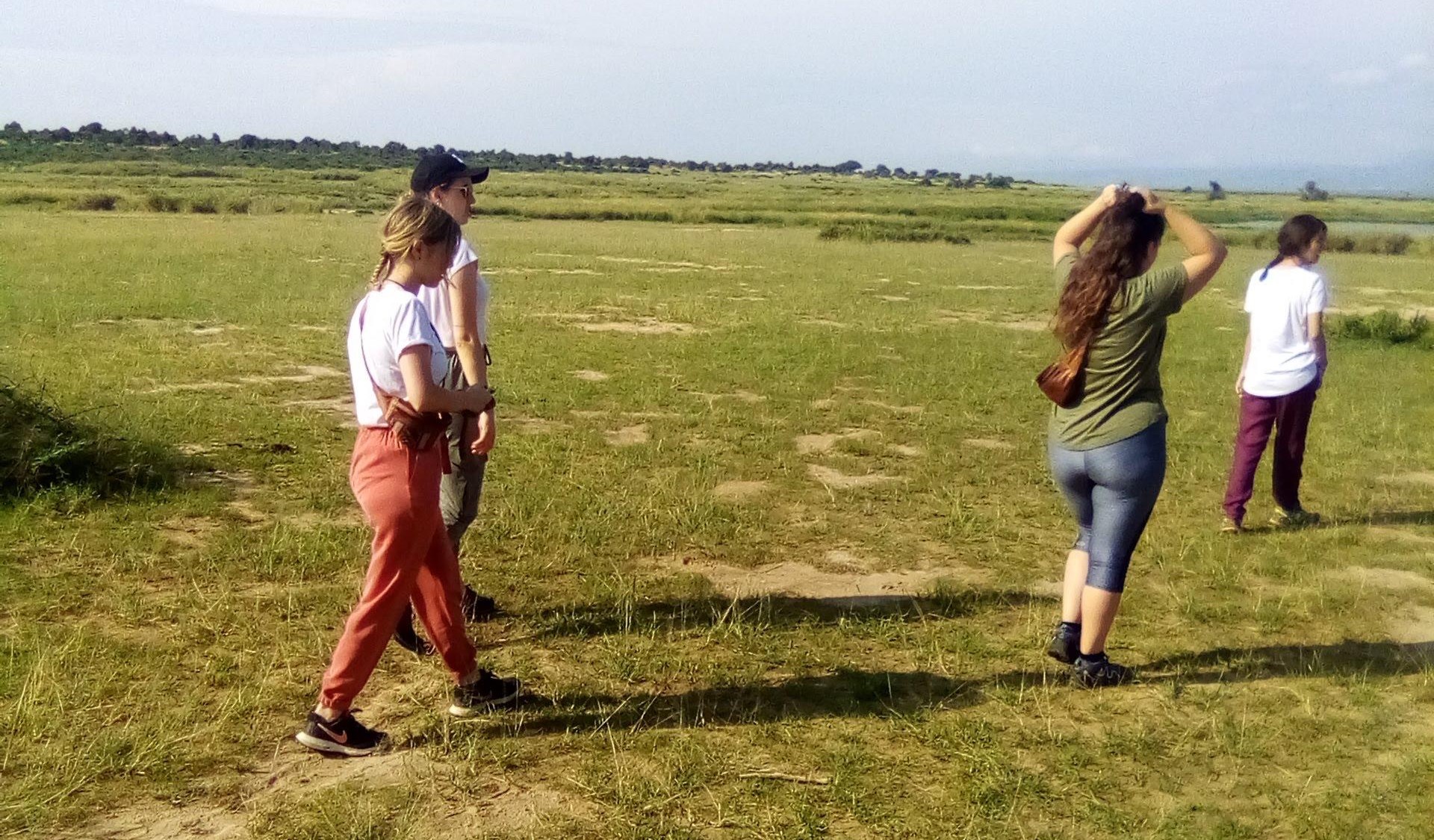
Walking Safari in Uganda
Walking Safari in Uganda
Walking Safari in Uganda: A Thrilling Journey Through the Pearl of Africa
Introduction
Uganda, often referred to as the “Pearl of Africa,” offers an unparalleled opportunity to experience nature in its rawest form through a walking safari. Unlike traditional game drives, walking safaris immerse you in the wilderness, allowing you to connect with the environment on a deeper level. This intimate, ground-level adventure brings you face-to-face with Uganda’s rich biodiversity, stunning landscapes, and vibrant ecosystems.
In this comprehensive guide, we’ll explore everything you need to know about embarking on a walking safari in Uganda—from the best destinations and wildlife encounters to safety tips and conservation efforts. Prepare for an exhilarating journey into the heart of East Africa.
Why Choose a Walking Safari in Uganda?
Walking safaris offer a unique perspective that no vehicle-bound tour can match. Here’s why Uganda is a top destination for this immersive experience:
- Biodiversity: Uganda is home to over 345 mammal species and more than 1,000 bird species.
- Varied Landscapes: From savannahs and wetlands to rainforests and crater lakes, the terrain is diverse and breathtaking.
- Cultural Encounters: Walking safaris often include visits to local communities, giving travelers a chance to engage with Uganda’s rich cultural heritage.
- Conservation Focus: Many walking safaris support eco-tourism and wildlife conservation.
Top Destinations for Walking Safaris in Uganda
1. Kidepo Valley National Park
Tucked away in the remote northeastern corner of Uganda, Kidepo Valley is a hidden gem. Its vast savannahs and rugged mountains provide a dramatic backdrop for walking safaris.
Highlights:
- Sightings of lions, cheetahs, and ostriches
- Interactions with the Karamojong people
- Scenic views of the Narus Valley
2. Lake Mburo National Park
Located in western Uganda, Lake Mburo is one of the few parks where walking safaris are a primary activity.
Wildlife to Spot:
- Zebras, impalas, and elands
- Hippos and crocodiles near the lake
- Over 350 bird species
Unique Feature: Guided walking safaris are offered daily, often starting early in the morning to catch animals at their most active.
3. Bwindi Impenetrable Forest
While famous for gorilla trekking, Bwindi also offers walking safaris through its dense rainforest.
What to Expect:
- Encounters with forest elephants and duikers
- Rich botanical diversity
- Guided hikes to waterfalls and scenic viewpoints
4. Murchison Falls National Park
The largest national park in Uganda, Murchison Falls is bisected by the Nile River and offers a mix of walking and boat safaris.
Safari Highlights:
- The thunderous Murchison Falls
- Giraffes, buffaloes, and antelopes
- Birdwatching opportunities, including the rare shoebill
What to Expect on a Walking Safari
Walking safaris are led by experienced guides and armed rangers who ensure your safety while interpreting the environment around you.
Typical Itinerary:
- Early Start: Most walks begin at dawn when animals are most active.
- Briefing: Guides explain the route, safety protocols, and what to expect.
- Tracking: Learn to identify animal tracks, droppings, and calls.
- Observation: Spot wildlife from a safe distance without disturbing their natural behavior.
Safety Measures:
- Always follow your guide’s instructions.
- Maintain silence and avoid sudden movements.
- Wear neutral-colored clothing to blend with the environment.
- Carry sufficient water and sun protection.
Wildlife You Might Encounter
Uganda’s walking safaris offer a chance to see a variety of animals in their natural habitat. While sightings are never guaranteed, here are some commonly encountered species:
- Herbivores: Zebras, impalas, waterbucks, and warthogs
- Primates: Baboons, vervet monkeys, and occasionally chimpanzees
- Birds: African fish eagle, grey crowned crane, and turacos
- Predators: Lions and leopards (rarely seen on foot, but tracks and signs are common)
Best Time to Go on a Walking Safari in Uganda
Uganda has a tropical climate with two main seasons:
- Dry Season (June–September & December–February): Ideal for walking safaris due to less vegetation and easier wildlife spotting.
- Wet Season (March–May & October–November): Trails may be muddy, but the scenery is lush and birdlife abundant.
Essential Gear for a Walking Safari
Packing the right gear is crucial for a successful walking safari. Here’s a checklist:
Clothing:
- Lightweight, breathable clothes in earth tones
- Long sleeves and trousers for protection
- A wide-brimmed hat and sunglasses
Footwear:
- Comfortable, sturdy hiking boots
- Moisture-wicking socks
Accessories:
- Binoculars
- Camera with zoom lens
- Insect repellent
- Reusable water bottle
Cultural and Community Experiences
Many walking safaris incorporate visits to local communities, offering a deeper understanding of Uganda’s cultural fabric.
Notable Experiences:
- Batwa Trail in Bwindi: Learn about the forest-dwelling Batwa people.
- Karamojong Village Tours: Discover the traditions of Uganda’s pastoralist tribes.
- Craft Markets: Purchase handmade souvenirs that support local artisans.
Conservation and Responsible Tourism
Walking safaris promote sustainable tourism by minimizing environmental impact and supporting conservation initiatives.
How Walking Safaris Help:
- Reduce carbon footprint compared to vehicle safaris
- Encourage wildlife protection through community involvement
- Generate income for local guides and rangers
Tip: Choose eco-certified tour operators who prioritize conservation and ethical practices.
Planning Your Walking Safari
Choosing a Tour Operator
Look for operators with:
- Experienced, certified guides
- Small group sizes for personalized attention
- Positive reviews and testimonials
- Transparent pricing and inclusions
Budget Considerations
Walking safaris in Uganda are generally affordable, with packages ranging from budget to luxury. Costs may include:
- Park entrance fees
- Guide and ranger fees
- Accommodation and meals
- Transportation
Sample 3-Day Walking Safari Itinerary
Day 1: Arrival and Orientation
- Arrive in Entebbe or Kampala
- Transfer to Lake Mburo National Park
- Evening nature walk
Day 2: Full-Day Safari
- Morning walking safari with wildlife tracking
- Picnic lunch in the bush
- Afternoon birdwatching walk
Day 3: Cultural Tour and Departure
- Visit local community
- Return to Kampala or Entebbe
FAQs: Walking Safari in Uganda
1. Is it safe to go on a walking safari in Uganda?
Yes, walking safaris are led by trained guides and armed rangers who prioritize your safety. Always follow instructions and stay with the group.
2. What animals can I see on foot?
You may encounter zebras, antelopes, monkeys, birds, and occasionally larger mammals like elephants. Predators are rarely seen but may leave tracks.
3. Do I need to be physically fit?
Moderate fitness is recommended. Walks can range from 1 to 5 hours, often on uneven terrain. Inform your guide of any health conditions.
4. Are children allowed on walking safaris?
Age restrictions vary by park and operator. Generally, children under 15 may not be allowed on certain trails for safety reasons.
5. How do I book a walking safari in Uganda?
You can book through reputable tour operators like Turkana Wildlife Safaris. It’s advisable to book in advance, especially during peak seasons.
Final Thoughts
A walking safari in Uganda is more than just a wildlife encounter—it’s an invitation to step into the rhythm of nature, to listen, observe, and feel the pulse of the wild. Whether you’re tracing the path of elephants in Kidepo or listening to the calls of birds in Lake Mburo, each step brings you closer to the soul of Africa.
For those seeking a transformative travel experience, Uganda’s walking safaris offer an unforgettable blend of adventure, education, and conservation. Lace up your boots, take a deep breath, and let the journey begin.