
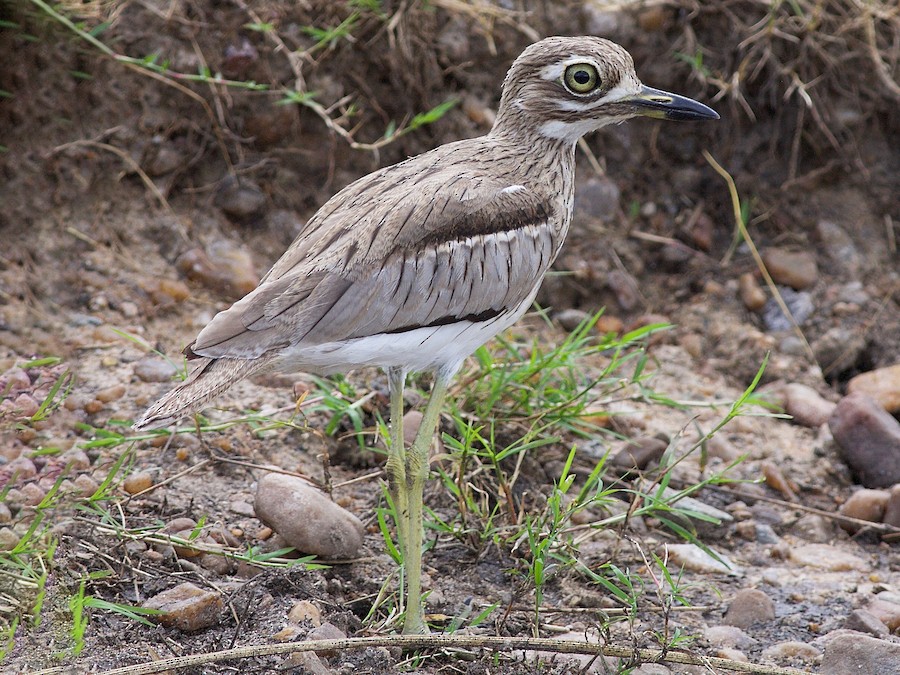
Water Thick-knee
Water Thick-knee
Discovering the Water Thick-knee: A Hidden Gem on Your Birding Safari in Uganda
Uganda, often referred to as the “Pearl of Africa,” is a haven for bird enthusiasts. With over 1,000 recorded bird species, it’s no surprise that birding safaris in Uganda are among the most sought-after experiences for ornithologists and nature lovers alike. Among the fascinating avian species that call Uganda home, the elusive and intriguing Water Thick-knee (Burhinus vermiculatus) stands out as a must-see for any serious birder.
In this comprehensive guide, we’ll delve into the unique characteristics of the Water Thick-knee, its habitat, behavior, and why it should be on your birding checklist. We’ll also explore how to plan the ultimate birding safari in Uganda, with helpful resources from Turkana Wildlife Safaris.
What is the Water Thick-knee?
The Water Thick-knee, also known as the Water Dikkop, is a nocturnal wader belonging to the Burhinidae family. Despite its name, it is not closely related to other wading birds like herons or storks. Instead, it has a unique lineage and appearance that sets it apart.
Key Features of the Water Thick-knee
- Scientific Name: Burhinus vermiculatus
- Size: Medium-sized bird, around 38–41 cm in length
- Coloration: Mottled brown and grey plumage with vermiculated patterns for camouflage
- Eyes: Large, yellow eyes adapted for nocturnal vision
- Legs: Long, pale legs with a distinct thickened knee joint—hence the name
- Call: A loud, eerie wailing sound, especially at night
This bird is typically found near water bodies such as rivers, lakes, and wetlands, where it forages for insects, crustaceans, and small amphibians.
Habitat and Distribution in Uganda
Uganda’s diverse ecosystems—from lush rainforests to expansive wetlands—provide the perfect backdrop for spotting the Water Thick-knee. It is commonly found in:
- Murchison Falls National Park
- Queen Elizabeth National Park
- Lake Mburo National Park
- Kazinga Channel
- River Nile banks
These areas are not only rich in birdlife but also offer breathtaking landscapes and opportunities to see other wildlife species.
For a curated birding experience, Turkana Wildlife Safaris offers specialized birding tours that cover these key habitats.
Behavior and Ecology
Nocturnal Lifestyle
The Water Thick-knee is predominantly nocturnal, which means it is most active during the night. This behavior allows it to avoid predators and human disturbances while hunting for food.
Feeding Habits
Its diet consists mainly of:
- Insects (beetles, grasshoppers)
- Mollusks
- Crustaceans
- Small amphibians and reptiles
It uses its strong bill to forage in mud and shallow water, often seen standing motionless before striking quickly at prey.
Breeding and Nesting
- Breeding Season: Varies by region, often during the rainy season
- Nesting: Simple scrape on the ground, usually near water
- Clutch Size: Typically 2 eggs
- Parental Care: Both parents share incubation and chick-rearing duties
Why Include the Water Thick-knee in Your Birding Safari?
Unique Observation Opportunities
Due to its nocturnal nature and excellent camouflage, spotting a Water Thick-knee is a rewarding challenge for birders. Its haunting calls and secretive behavior add a layer of mystery to your safari.
Biodiversity Hotspot
Uganda is a birding paradise. Including the Water Thick-knee in your checklist means you’re exploring diverse habitats that also host:
- Shoebill Stork
- African Fish Eagle
- Great Blue Turaco
- African Jacana
- Papyrus Gonolek
Conservation Importance
Observing and documenting species like the Water Thick-knee contributes to conservation efforts and ecological awareness. It also supports eco-tourism, which benefits local communities and preserves natural habitats.
Planning Your Birding Safari in Uganda
Best Time to Visit
Uganda offers year-round birding opportunities, but the best times are:
- December to February – Dry season, easier access to remote areas
- June to August – Breeding season for many bird species
Recommended Birding Destinations
- Mabamba Swamp – Famous for the Shoebill
- Budongo Forest – Rich in forest species
- Rwenzori Mountains – Endemic montane birds
- Semuliki National Park – Congo biome species
Explore these regions with expert guides from Turkana Wildlife Safaris, who offer customized itineraries for all skill levels.
What to Pack
- Binoculars (8×42 or 10×42 recommended)
- Field guide (e.g., “Birds of East Africa” by Stevenson and Fanshawe)
- Camera with zoom lens
- Lightweight clothing in neutral colors
- Insect repellent and sunscreen
- Notebook for field observations
How Turkana Wildlife Safaris Enhances Your Experience
Turkana Wildlife Safaris is a locally owned tour operator with extensive experience in organizing birding safaris across Uganda. Their services include:
- Experienced birding guides
- Customizable itineraries
- Comfortable accommodation
- Transportation and park entry logistics
- Ethical and sustainable tourism practices
Their birding safari packages are tailored to both novice and expert birders, ensuring a memorable and educational experience.
Other Birds to Watch Alongside the Water Thick-knee
While searching for the Water Thick-knee, you’re likely to encounter a variety of other fascinating species, including:
- Malachite Kingfisher
- African Openbill
- Black Crake
- Pied Kingfisher
- White-faced Whistling Duck
- Yellow-billed Stork
These species are often found in the same wetland and riverine habitats, making your birding safari even more rewarding.
Conservation and Responsible Tourism
Why Conservation Matters
Wetland habitats are under threat from:
- Agricultural encroachment
- Pollution
- Climate change
- Urban development
By participating in eco-friendly safaris, you contribute to the preservation of these vital ecosystems.
How You Can Help
- Choose eco-certified tour operators like Turkana Wildlife Safaris
- Avoid disturbing nesting sites
- Follow ethical birding guidelines
- Support local conservation projects
Frequently Asked Questions (FAQ)
1. Where is the best place to see the Water Thick-knee in Uganda?
The Water Thick-knee is commonly found in areas like Murchison Falls, Queen Elizabeth National Park, and along the Kazinga Channel.
2. Is the Water Thick-knee endangered?
No, it is currently listed as Least Concern by the IUCN. However, habitat loss could pose future threats, making conservation efforts essential.
3. What time of day is best for spotting the Water Thick-knee?
Since it is nocturnal, early morning or dusk are the best times to observe this bird, especially near water bodies.
4. Can I combine birding with other safari activities?
Absolutely. Turkana Wildlife Safaris offers combined itineraries that include game drives, chimpanzee tracking, and cultural tours alongside birding.
5. What makes Uganda a top birding destination?
Uganda’s unique location at the junction of East African savannah and West African rainforest ecosystems supports an incredible diversity of bird species, including many endemics and rare sightings.
Final Thoughts
The Water Thick-knee may not be the flashiest bird in Uganda, but its elusive nature, haunting calls, and unique appearance make it a prized sighting for birders. Including it in your birding safari enriches your experience and deepens your connection to Uganda’s incredible biodiversity.
With expert guidance from Turkana Wildlife Safaris, you can embark on a journey that’s not only visually stunning but also ecologically meaningful. Whether you’re a seasoned ornithologist or a curious traveler, the Water Thick-knee awaits your discovery in the heart of Africa.