
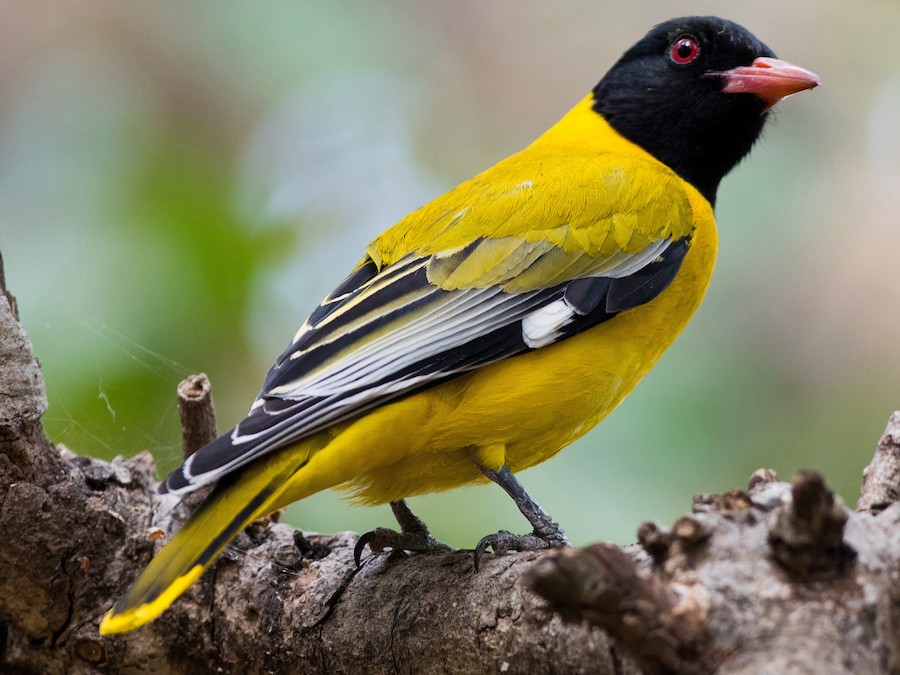
Western Black- Headed Oriole
Western Black- Headed Oriole
The Western Black-Headed Oriole: A Vivid Jewel of the African Canopy
Introduction
Among the vibrant avian wonders of sub-Saharan Africa, the Western Black-Headed Oriole (Oriolus brachyrynchus) stands out as a dazzling symbol of tropical biodiversity. With its striking yellow plumage and jet-black head, this bird is not only a visual marvel but also an essential component of the ecological web in the forests it inhabits. This article dives deep into the world of this elusive oriole, exploring its habitat, behavior, diet, vocalizations, conservation status, and its role in the ecosystem.
Our journey will also uncover how this species differs from its close relatives, the significance of its melodious calls, and why preserving its habitat is crucial for maintaining ecological balance. Whether you’re a seasoned birdwatcher or a curious nature enthusiast, this comprehensive guide will elevate your understanding of one of Africa’s most captivating songbirds.
Taxonomy and Classification
The Western Black-Headed Oriole belongs to the family Oriolidae, a group of Old World passerine birds known for their vivid colors and melodious songs. Its scientific name is Oriolus brachyrynchus, and it is one of several species within the genus Oriolus.
Subspecies
There are two recognized subspecies:
- Oriolus brachyrynchus brachyrynchus – Found in West Africa.
- Oriolus brachyrynchus laetior – Inhabits central African regions.
Each subspecies exhibits slight variations in plumage and vocalizations, adapted to their specific environments.
Physical Description
The Western Black-Headed Oriole is a medium-sized bird, measuring approximately 20–24 cm in length. Its most distinguishing features include:
- Bright yellow body: A radiant golden-yellow hue covers most of its body, making it easily visible in the green canopy.
- Glossy black head and throat: Contrasts sharply with its yellow body.
- Red eyes: A piercing red iris adds to its dramatic appearance.
- Short, stout bill: Adapted for feeding on both fruits and insects.
These features not only make it a favorite among birdwatchers but also serve functional purposes in its ecological niche.
Habitat and Distribution
Geographic Range
The Western Black-Headed Oriole is native to the tropical rainforests of West and Central Africa. Its range includes:
- Sierra Leone
- Liberia
- Ivory Coast
- Ghana
- Nigeria
- Cameroon
- Democratic Republic of Congo
- Gabon
Preferred Habitats
This oriole thrives in:
- Lowland tropical rainforests
- Moist secondary forests
- Forest edges and clearings
It is particularly dependent on dense canopy cover, where it forages and nests. The bird is less commonly found in savannahs or dry woodlands, making it a true forest specialist.
Behavior and Ecology
Feeding Habits
The Western Black-Headed Oriole is an omnivore with a diet that includes:
- Fruits and berries: Especially figs and other soft fruits.
- Insects: Caterpillars, beetles, and other arthropods.
- Nectar: Occasionally feeds on nectar, playing a minor role in pollination.
This dietary flexibility allows it to adapt to seasonal changes in food availability.
Foraging Techniques
- Gleaning: Picks insects off leaves and branches.
- Hovering: Hovers briefly to snatch prey or fruit.
- Sallying: Flies out from a perch to catch flying insects.
Social Behavior
- Typically seen alone or in pairs.
- Occasionally joins mixed-species foraging flocks.
- Territorial during breeding season.
Vocalizations
One of the most enchanting aspects of the Western Black-Headed Oriole is its rich, fluty song. Its vocalizations serve multiple purposes:
- Territorial calls: Warn other males to stay away.
- Mating songs: Attract females during the breeding season.
- Contact calls: Maintain communication between mates or flock members.
Its song is often described as a series of melodious whistles, rising and falling in pitch, reminiscent of a flute or piccolo.
You can listen to its call on Xeno-canto.
Breeding and Nesting
Breeding Season
Varies by region but generally aligns with the rainy season when food is abundant.
Nesting Habits
- Nest type: A deep, cup-shaped nest suspended from tree branches.
- Materials used: Grasses, vines, and spider webs.
- Location: High in the canopy, often hidden among dense foliage.
Reproduction
- Clutch size: 2–3 eggs
- Incubation: 14–16 days
- Parental care: Both parents feed the chicks
The nesting behavior of this oriole is a marvel of avian engineering, showcasing the intricate balance between instinct and environmental adaptation.
Role in the Ecosystem
The Western Black-Headed Oriole plays several vital roles:
- Seed disperser: By consuming fruits and excreting seeds, it aids in forest regeneration.
- Pest control: Helps regulate insect populations.
- Prey species: Serves as food for larger birds of prey and snakes.
Its presence is an indicator of forest health, and its decline can signal ecological imbalance.
Conservation Status
According to the IUCN Red List, the Western Black-Headed Oriole is currently listed as Least Concern. However, this status does not imply immunity from threats.
Threats
- Deforestation: Logging and agriculture are major threats to its habitat.
- Habitat fragmentation: Isolates populations and reduces genetic diversity.
- Climate change: Alters the timing of food availability and breeding cycles.
Conservation Efforts
- Protected areas: Many populations are found in national parks and reserves.
- Community-based conservation: Local involvement in forest protection.
- Research and monitoring: Ongoing studies on population trends and habitat needs.
Comparison with Similar Species
The Western Black-Headed Oriole is often confused with:
African Black-Headed Oriole (Oriolus larvatus)
- Found in eastern and southern Africa.
- Slightly different vocalizations and habitat preferences.
Eurasian Golden Oriole (Oriolus oriolus)
- Migratory species found in Europe and Asia.
- Lacks the black head characteristic of the African species.
These distinctions are crucial for accurate identification and ecological studies.
Cultural Significance
In some African cultures, the oriole’s song is believed to herald rain or good fortune. Its vibrant colors have inspired local art and folklore, making it not just a biological entity but a cultural symbol as well.
Observing the Western Black-Headed Oriole
Best Locations
- Kakum National Park, Ghana
- Korup National Park, Cameroon
- Dzanga-Sangha Reserve, Central African Republic
Birdwatching Tips
- Bring binoculars with high contrast for spotting in dense canopies.
- Listen for its distinctive song before scanning visually.
- Early morning is the best time for sightings.
How to Help
You can contribute to the conservation of the Western Black-Headed Oriole by:
- Supporting organizations like BirdLife International
- Participating in citizen science projects like eBird
- Promoting sustainable tourism in African forests
Frequently Asked Questions (FAQ)
1. Where can I find the Western Black-Headed Oriole?
You can find it in the tropical rainforests of West and Central Africa, particularly in countries like Ghana, Nigeria, and Cameroon.
2. What does the Western Black-Headed Oriole eat?
Its diet includes fruits, insects, and occasionally nectar, making it an important seed disperser and insect regulator.
3. Is the Western Black-Headed Oriole endangered?
Currently, it is listed as Least Concern, but habitat loss remains a significant threat.
4. How can I identify the Western Black-Headed Oriole?
Look for its bright yellow body, black head, and red eyes. Its melodious song is also a key identifier.
5. What role does the oriole play in the ecosystem?
It helps in seed dispersal, pest control, and serves as a prey species, making it vital for ecological balance.
Conclusion
The Western Black-Headed Oriole is more than just a splash of color in the African canopy—it is a keystone species, a melodious herald of biodiversity, and a symbol of the intricate interdependence within tropical ecosystems. As we continue to explore and understand the natural world, let us not forget the importance of preserving such species and the habitats they call home.
By supporting conservation efforts and spreading awareness, we can ensure that future generations will still hear the flute-like calls of this magnificent bird echoing through the rainforests of Africa.