
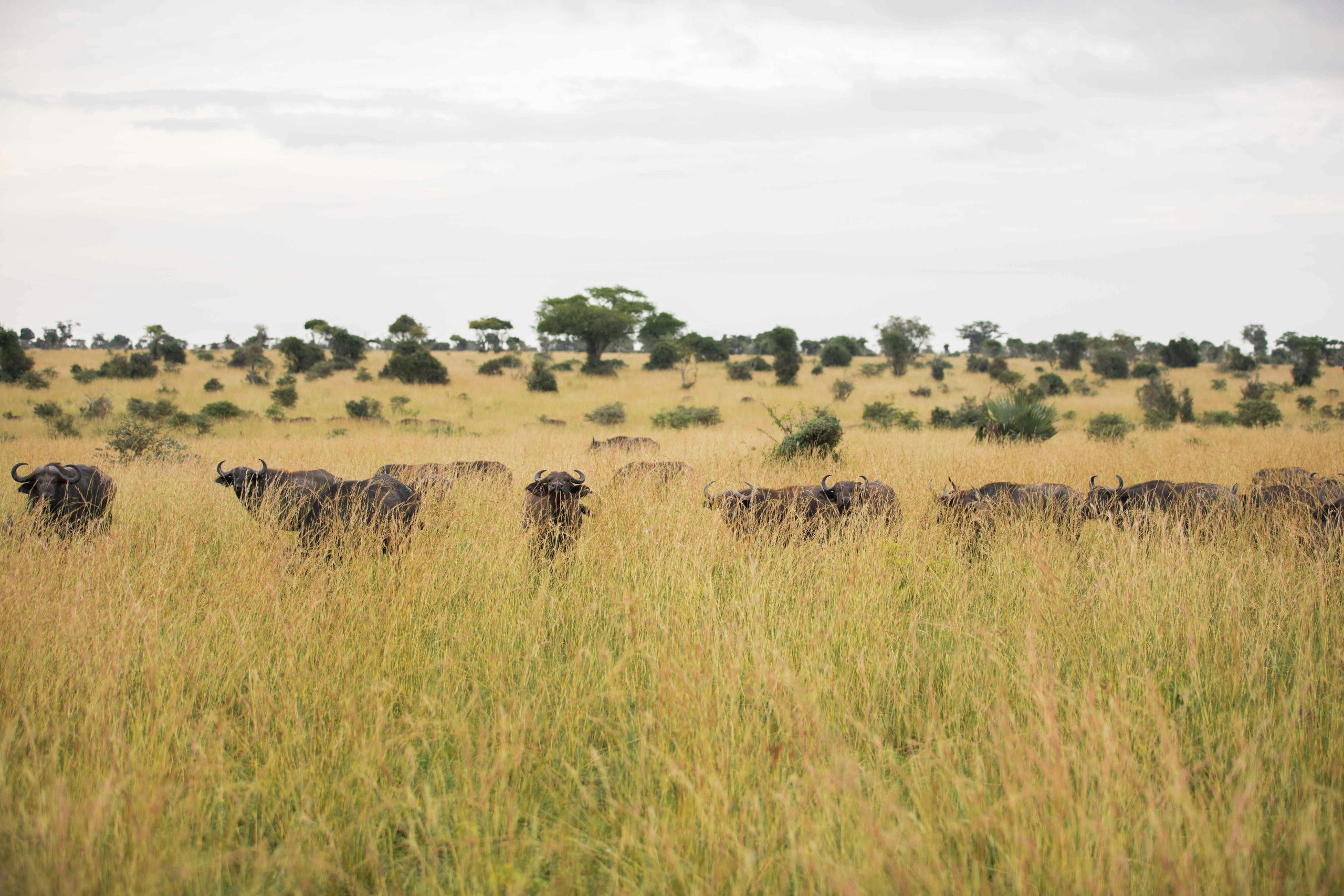
What Camera for Safari Photography
What Camera for Safari Photography
The Ultimate Guide to Choosing the Best Camera for Safari Photography
Embarking on an African safari is a thrilling adventure, and capturing the essence of the wild requires more than just a keen eye—it demands the right photographic equipment. Whether you’re aiming to freeze the motion of a cheetah in full sprint or frame a serene moment of elephants at a watering hole, the right camera can elevate your experience and your images.
This in-depth guide explores the finest cameras for safari photography, the critical features to consider, and expert tips to help you make the most of your journey. With enriched terminology, strategic formatting, and valuable links, this article is crafted to inform and inspire.
Why Safari Photography Requires Specialized Equipment
Safari photography is a unique discipline. The environment is unpredictable, subjects can be elusive, and lighting conditions often shift dramatically. Therefore, your gear must be:
- Fast and responsive
- Durable and weather-resistant
- Capable of long-range zoom
- Efficient in low-light conditions
These demands make it essential to choose a camera built for the wild.
Top Cameras for Safari Photography
Canon EOS R5
The Canon EOS R5 is a mirrorless marvel, offering exceptional image clarity and rapid autofocus.
Highlights:
- 45MP full-frame sensor
- 20 fps continuous shooting
- Dual Pixel CMOS AF II
- 8K video recording
- Robust, weather-sealed body
Why It’s Ideal:
Its high resolution allows for cropping distant subjects without sacrificing detail, while the rapid burst rate ensures you capture fleeting wildlife moments.
Nikon Z9
The Nikon Z9 is a professional-grade mirrorless camera with cutting-edge features.
Highlights:
- 45.7MP stacked CMOS sensor
- 30 fps JPEG burst
- 8K internal video
- Advanced subject tracking
- Rugged, weather-resistant build
Safari Advantage:
Its intelligent autofocus can detect and follow animals with remarkable precision, even in challenging scenarios.
Sony Alpha 1
The Sony A1 combines high resolution with high speed, making it a top-tier choice.
Highlights:
- 50.1MP full-frame sensor
- 30 fps blackout-free shooting
- Real-time Eye AF for animals
- 8K video capability
- Dual card slots for redundancy
Why It Shines:
Ideal for capturing fast-paced wildlife action, especially birds in flight or predators on the move.
Fujifilm X-H2S
The Fujifilm X-H2S delivers impressive performance in a compact APS-C format.
Highlights:
- 26.1MP stacked sensor
- 40 fps burst with no blackout
- 7-stop IBIS (In-Body Image Stabilization)
- Animal detection autofocus
- Weather-sealed body
Safari Benefit:
Lightweight and agile, it’s perfect for travelers seeking professional results without the bulk.
Olympus OM-1
The OM System OM-1 is a Micro Four Thirds camera that excels in portability and reach.
Highlights:
- 20MP stacked sensor
- 50 fps with continuous AF
- IP53 weather sealing
- Pro Capture mode for split-second shots
- Compact and travel-friendly
Why It Works:
Its smaller sensor extends the effective reach of telephoto lenses, making it easier to photograph distant wildlife.
Key Features to Look for in a Safari Camera
Autofocus Capabilities
Essential for tracking animals in motion, look for:
- Animal Eye Detection
- Fast subject tracking
- Wide autofocus coverage
Burst Shooting
Wildlife moments are fleeting. A camera capable of at least 10 frames per second ensures you capture the decisive moment.
Sensor Type
- Full-frame sensors offer superior dynamic range and low-light performance.
- APS-C and Micro Four Thirds sensors provide extended reach due to crop factors.
Weather Resistance
Dust, moisture, and heat are common in the bush. Choose a camera with weather-sealed construction to withstand the elements.
Best Lenses for Safari Photography
Your lens choice is just as important as your camera body. Here are top recommendations:
Telephoto Zoom Lenses
- Canon RF 100-500mm f/4.5-7.1L IS USM
- Nikon Z 100-400mm f/4.5-5.6 VR S
- Sony FE 200-600mm f/5.6-6.3 G OSS
Prime Lenses
Must-Have Accessories for Safari Photography
- Extra batteries – Power sources are limited in the wild.
- High-speed memory cards – Use reliable options like SanDisk Extreme Pro.
- Rain covers – Protect your gear from sudden weather changes.
- Bean bag tripod – Ideal for stabilizing your camera on vehicle windows.
- Lens cleaning kits – Dust is unavoidable; be prepared.
Pro Tips for Capturing Wildlife
Timing is Crucial
- Golden hours (early morning and late afternoon) offer the best lighting.
- Animals are most active during cooler times of the day.
Composition Techniques
- Use the rule of thirds for balanced images.
- Focus on the eyes to create emotional impact.
- Include environmental elements to tell a story.
Ethical Photography
- Avoid disturbing wildlife.
- Maintain a respectful distance.
- Let the scene unfold naturally.
Top Safari Destinations for Photographers
- Masai Mara, Kenya – Known for the Great Migration and big cats.
- Serengeti, Tanzania – Expansive plains and diverse wildlife.
- Okavango Delta, Botswana – Unique water-based safari experiences.
- Kruger National Park, South Africa – Accessible and wildlife-rich.
- Etosha National Park, Namibia – Dramatic landscapes and rare species.
Budget-Friendly Camera Options
If you’re looking for quality without breaking the bank, consider:
Canon EOS R7
- APS-C sensor
- 15 fps mechanical shutter
- 32.5MP resolution
Nikon Z50
- Compact and lightweight
- Excellent image quality
- Affordable lens options
Sony Alpha 6400
- Real-time Animal Eye AF
- 11 fps burst
- Durable and travel-friendly
Preparing Your Camera Gear for Safari
Pre-Trip Checklist
- Clean and test all equipment
- Update firmware
- Format memory cards
- Label batteries and accessories
Packing Tips
- Use padded camera bags
- Include silica gel to combat humidity
- Always carry your gear with you on flights
Frequently Asked Questions (FAQ)
1. What type of camera is best for wildlife photography?
Answer: Mirrorless cameras are currently the most versatile for wildlife photography due to their fast autofocus, silent operation, and compact size. Models like the Sony A1 and Canon EOS R5 are top choices.
2. Do I need a tripod on safari?
Answer: A full tripod is often impractical in safari vehicles. A bean bag or monopod is more suitable for stabilizing your camera while shooting from a car window or roof hatch.
3. What focal length is best for capturing wildlife?
Answer: A lens between 300mm and 600mm is ideal. It allows you to photograph animals from a safe distance without disturbing them.
4. Can I use drones on safari?
Answer: Most national parks across Africa prohibit the use of drones due to safety, privacy, and wildlife protection concerns. Always check local regulations before bringing one.
5. How can I protect my camera from dust and moisture?
Answer: Use weather-sealed gear, store equipment in zippered pouches, and clean lenses regularly with a blower and microfiber cloth. Rain covers are also useful for added protection.
Final Thoughts: Choosing the Right Camera for Your Safari
Selecting the ideal camera for your safari adventure is about balancing performance, portability, and personal preference. Whether you’re a seasoned wildlife photographer or a passionate traveler, the right gear can transform your experience and immortalize the magic of the wild.
Remember, the most powerful camera is the one that helps you tell your story. Choose wisely, prepare thoroughly, and let the wilderness inspire your lens.