
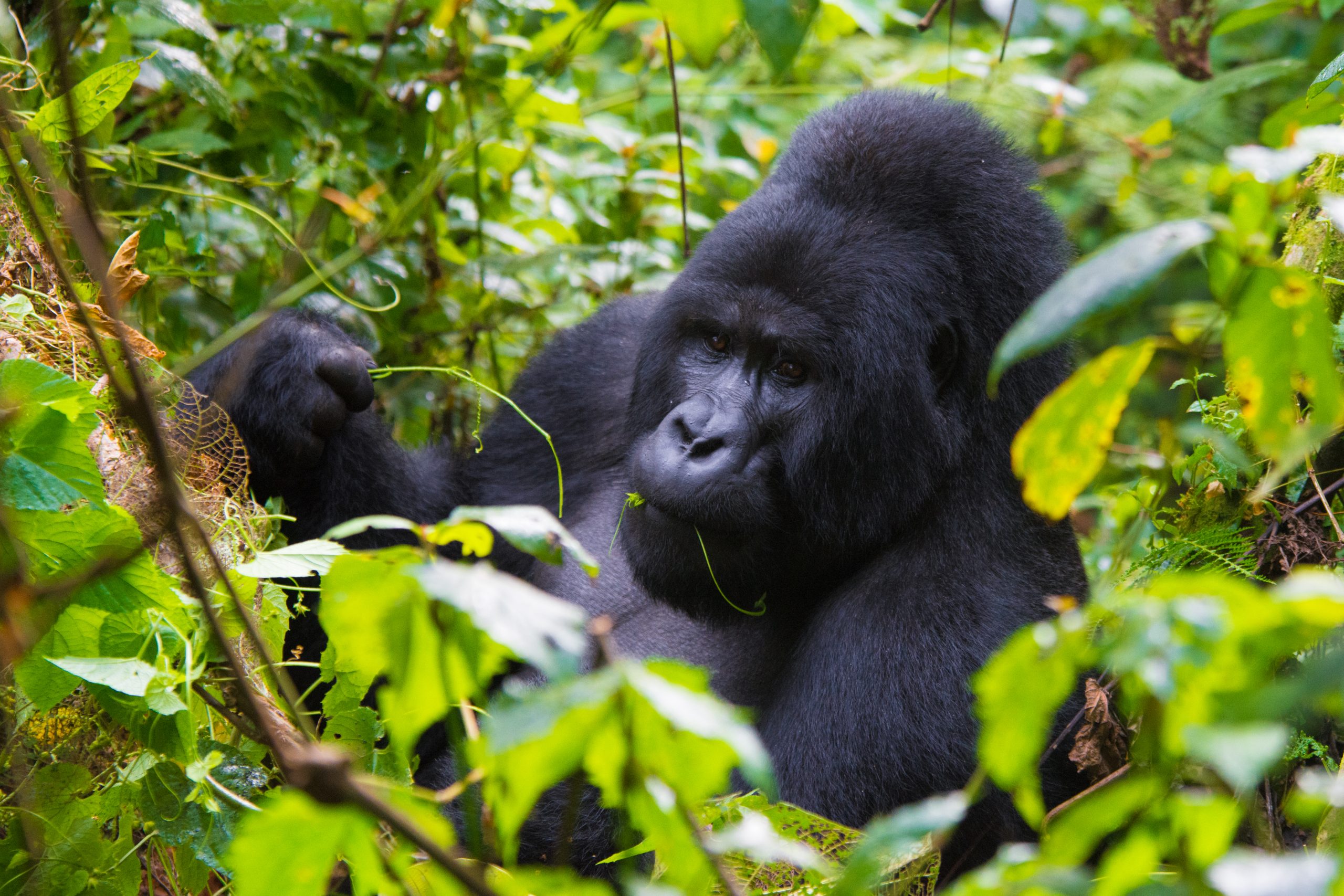
What Happens if it Rains During Gorilla Trekking
What Happens if it Rains During Gorilla Trekking
What Happens If It Rains During Gorilla Trekking? A Practical, Rain-Ready Guide for an Unforgettable Encounter
Rain is not an exception in gorilla country, it’s part of the ecosystem that keeps the forests lush, cool, and richly biodiverse. If it rains during your gorilla trek, the experience usually continues, often with surprisingly good viewing conditions. The key is knowing what changes (trail conditions, pace, comfort) and how to prepare so the weather doesn’t steal the magic.
In this guide, you’ll learn exactly what happens when it rains during gorilla trekking, how it affects gorilla behavior, trekking difficulty, safety, photography, and what to pack and wear to stay dry and comfortable.
Why Rain Is Common During Gorilla Trekking
Gorilla trekking takes place in tropical montane rainforests mainly in:
- Bwindi Impenetrable National Park (Uganda)
- Mgahinga Gorilla National Park (Uganda)
- Volcanoes National Park (Rwanda)
- Virunga National Park (DRC)
These regions receive frequent rainfall throughout the year, and even in “dry seasons,” short showers can happen. Rain is one reason these habitats can support such dense vegetation and therefore thriving gorilla populations.
To explore trekking options and planning guidance, you can browse reputable safari resources like Turkana Wildlife Safaris (useful for understanding regional logistics, packing, and wildlife travel considerations).
Does Gorilla Trekking Get Cancelled If It Rains?
In most cases, no gorilla trekking rarely gets cancelled due to rain.
Treks usually continue because:
- Rain is expected and park teams are trained for it
- Gorilla tracking happens daily regardless of light showers
- Canceling would disrupt conservation funding and scheduled permits
When might trekking be postponed or stopped?
Only under serious safety risks, such as:
- Dangerous storms (lightning risk)
- Extreme winds that bring down trees
- Severe flooding or landslides
- Park authority restrictions for safety
If conditions become genuinely unsafe, guides may:
- Delay departure until weather eases
- Choose an alternate route
- Turn the group back (rare but possible)
What Changes When It Rains During the Trek?
Rain affects the trek in practical ways, mostly related to comfort and trail conditions.
1) Trails Become Slippery and Muddy
The biggest difference is the terrain. Expect:
- Muddy footpaths
- Slippery roots and rocks
- Steeper sections feeling more intense
- More careful pacing with frequent stops
Tip: Good ankle support hiking boots become crucial in rain.
2) Trekking Pace May Slow Down
Guides often adjust to:
- Keep the group together
- Avoid falls and injuries
- Reduce fatigue for less experienced hikers
This can make the trek longer, but not necessarily harder just slower and steadier.
3) Vegetation Feels “Closer”
Rain makes the forest dense and wet. You may brush against:
- Wet ferns and vines
- Moist bamboo leaves
- Water dripping from branches
This is normal, and actually enhances the rainforest atmosphere.
How Rain Affects Gorilla Behavior (Surprisingly: Often Not Much)
Mountain gorillas live in these forests year-round. Rain is part of their routine.
Typical gorilla reactions to rain:
- They keep feeding (often calmly)
- They may rest more under thick vegetation
- They may cluster together for warmth, especially infants near mothers
- They rarely “hide” completely just because it’s raining
In some cases, rain can even improve your sighting because gorillas may stay in one area rather than moving long distances in heat.
What About the Gorilla Viewing Time?
Your time with the gorillas is generally the same:
- One hour (standard gorilla trek permits)
- Four hours (gorilla habituation experience in Uganda)
Rain doesn’t automatically reduce viewing time, unless the situation becomes unsafe or visibility becomes severely compromised. Guides still aim to give you the full permitted time, while keeping the group and gorillas comfortable.
Is Gorilla Trekking Safe in the Rain?
Yes, if you follow guide instructions and come properly equipped.
Safety considerations in wet conditions:
- Mud increases the chance of slipping
- Steep slopes become more challenging
- Cold rain can cause discomfort if you’re underdressed
- Your hands may be needed for balance (trekking poles help)
Your guide and rangers help keep things safe by:
- Choosing safer routes
- Setting a manageable pace
- Giving clear instructions on tricky sections
- Monitoring weather and terrain conditions
If you want a more structured look at East African safari preparedness and field logistics, a planning-oriented site like Turkana Wildlife Safaris can be a helpful starting point for travel expectations and packing mindset.
What to Wear If It Rains During Gorilla Trekking
Rain comfort is mostly about layers and smart materials. Cotton tends to stay wet and cold, so aim for quick-dry fabrics.
Essentials for rainy gorilla trekking
- Waterproof rain jacket (hooded)
- Light rain pants (optional but highly recommended in wet months)
- Quick-dry long-sleeve shirt
- Hiking trousers (not jeans)
- Waterproof hiking boots with good tread
- Gaiters (great for mud and keeping water out of boots)
- Garden gloves (for grabbing wet vegetation and steadying yourself)
- Hat/cap under hood to keep rain off face
- Dry bag or waterproof cover for your daypack
What you’ll be glad you packed
- Spare socks (stored in a waterproof bag)
- A light fleece layer (forests can feel chilly when wet)
- Microfiber towel (small but useful)
Protecting Cameras and Phones in Rain
Rain is tough on electronics, but you can still take great photos with basic precautions.
Rain-friendly photography tips
- Use a rain cover for your camera (even a simple plastic sleeve works)
- Keep spare batteries in a dry pouch
- Use a lens hood to reduce raindrops on the lens
- Wipe lens gently with a microfiber cloth
- Avoid changing lenses in heavy rain (moisture can enter the body)
Phone tip: A waterproof phone pouch lets you keep shooting without panic.
Will Rain Reduce Wildlife Experience or “Ruin” the Trek?
Most travelers report the opposite: rain often makes the trek more atmospheric.
Rain can actually enhance:
- The rainforest mood (mist, sound of droplets, deep greens)
- Gorilla calmness (cooler temperatures)
- Fewer dusty conditions
- Dramatic photography (if protected properly)
The “hard part” is only discomfort if you’re not dressed well.
How to Mentally Prepare: The Right Expectations
A wet trek isn’t a failed trek. In fact, it’s closer to the authentic conditions these forests were built on.
Keep these expectations:
- You may get muddy (almost guaranteed)
- Your boots will work hard
- The forest will feel alive and fresh
- Your guide will still deliver the experience
Practical Tips If It Starts Raining Mid-Trek
- Put on rain gear immediately, don’t wait until you’re soaked
- Protect your backpack (rain cover or poncho)
- Shorten your stride on slippery ground
- Use trekking poles if available
- Follow single file and step where the guide steps
- Avoid grabbing thin branches for support
- Keep your focus on footing especially descending
If you’re traveling with a safari operator or planning through a resource like Turkana Wildlife Safaris, consider asking ahead of time whether they recommend or provide items like poles, gaiters, or porters.
FAQ: Rainy Gorilla Trekking
1) Will my gorilla permit be refunded if it rains?
Usually no, rain alone is not grounds for refunds because it’s normal in rainforest environments. Refunds are typically only considered if the trek is cancelled by authorities or extremely rare exceptional circumstances.
2) Is it harder to trek in the rain?
It can be more physically demanding due to mud and slippery slopes, but it’s manageable with boots, steady pacing, and guide support.
3) Can I still take good photos in rainy conditions?
Yes, use a rain cover, keep a microfiber cloth handy, and avoid lens changes. Misty forest lighting can look cinematic.
4) What’s the single most important item for a rainy trek?
A proper waterproof rain jacket with a hood (and ideally rain pants) makes the biggest comfort difference.
5) Are gorillas more aggressive in the rain?
No, rain does not make gorillas aggressive. They’re generally calm, and rangers manage distance and behavior protocols at all times.