
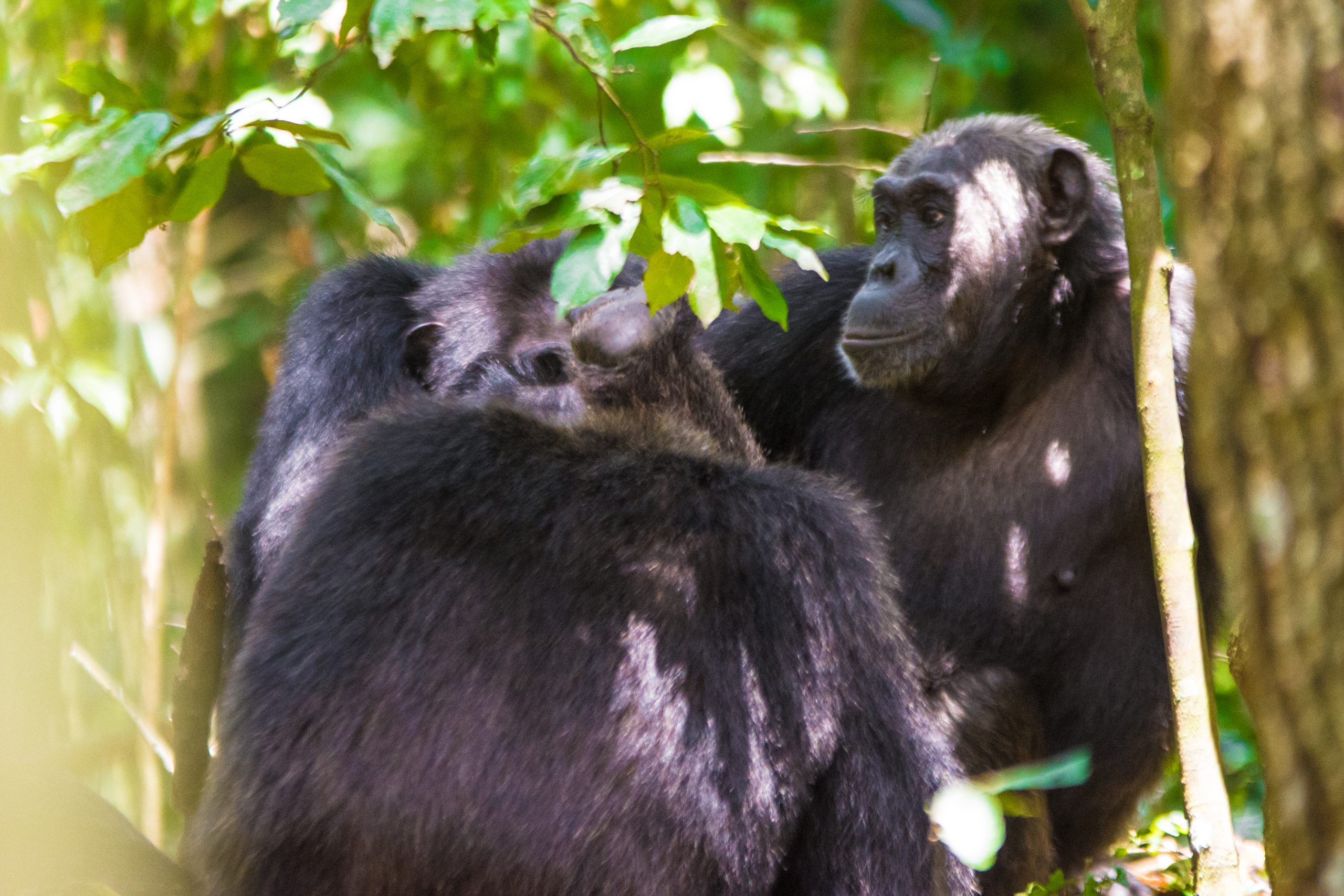
What is Chimpanzee Habituation Experience
What is Chimpanzee Habituation Experience
Chimpanzee Habituation Experience: A Deep, Ethical Journey Into the Daily Life of Wild Chimpanzees.
Chimpanzee habituation is one of the most immersive primate encounters available in Africa: instead of a short, timed viewing, you spend extended hours alongside a chimp community as they gradually become accustomed to respectful human presence. A Chimpanzee Habituation Experience (often shortened to “CHEX”) is part wildlife expedition, part conservation practice designed to support long-term research, monitoring, and sustainable tourism while giving travelers a rare window into complex chimp behavior.
What a Chimpanzee Habituation Experience Actually Is
A chimp habituation experience is a guided, controlled trek where visitors accompany trained trackers and researchers to locate chimpanzees and observe them for longer periods often up to 4 hours (and in some programs, even more time in the forest compared with standard tracking permits). The key difference is the purpose and setting: you’re observing chimps that are still in the process of habituation (learning that humans are not a threat), rather than fully habituated groups that are used to regular tourism.
This means:
- You may witness more “raw” behaviors (social dynamics, feeding, grooming, displays).
- Chimps may keep more distance or move more.
- The forest walk can be longer and more physically demanding.
- Your guide will emphasize strict rules that protect chimp welfare.
For a broader view of safari styles and wildlife travel planning, see Turkana Wildlife Safaris.
Why Habituation Exists (Conservation and Science)
Habituation is not simply for tourism. It plays a role in:
1) Long-term monitoring and research
Researchers can only reliably track health, births, injuries, and social structure when chimps can be observed without constant flight responses.
2) Conservation funding and protected-area value
High-quality, low-impact primate tourism can help create economic incentives to protect habitat when managed responsibly.
3) Anti-poaching and ranger presence
Daily tracking increases ranger coverage and can deter illegal activities.
If you’re mapping a responsible itinerary that supports conservation outcomes, a specialist operator can help structure permits, logistics, and ethical guidance start at Turkana Wildlife Safaris.
How It Differs From Standard Chimp Tracking
Standard tracking permits (where available) typically give you a shorter, more predictable window of viewing once the chimps are found often around 1 hour of observation.
A habituation experience is:
- Longer and less predictable
- More interpretive (more time to learn, more behaviors observed)
- More challenging physically
- More conservation-linked (often tied directly to ongoing habituation work)
Travelers who love deep nature immersion often prefer habituation because it feels like joining a field team rather than “ticking a wildlife sighting box.”
For tailoring a primate-focused itinerary and combining it with other wildlife regions, explore Turkana Wildlife Safaris.
What You’ll Typically Do During the Experience
While exact routines vary by location, the day often looks like:
- Early briefing on rules, distance, and safety
- Forest entry with trackers and a professional guide
- Listening for vocalizations (pant-hoots, calls) and reading fresh signs (nests, feeding remains)
- Locating the chimp group
- Extended observation: feeding, grooming, play, dominance displays, movement through the canopy
- Interpretation: your guide explains social roles, individuals, and forest ecology
You may also see other species (birds, monkeys, forest antelope) depending on the ecosystem.
For help planning wildlife travel logistics and timing, consult Turkana Wildlife Safaris.
Ethical Rules and Why They Matter
Because chimpanzees are highly intelligent and susceptible to human illnesses, habituation tourism requires stricter protocols. Common rules include:
- Keep a minimum distance (often ~7–10 meters, depending on local regulations)
- Wear a mask in some sites (or when near chimps)
- No eating near chimps; no litter
- Do not mimic chimp calls or gestures
- Avoid direct eye contact for prolonged periods (can be perceived as a challenge)
- If you’re sick, do not trek
- Follow the guide’s positioning instructions always
These rules protect chimps and also protect the future of habituation work one bad encounter can set progress back.
If you want a trip plan that prioritizes ethics and conservation standards, connect through Turkana Wildlife Safaris.
Best Time to Go (General Guidance)
In many primate forests, drier months often mean:
- Easier hiking conditions
- More predictable trails
- Better photography (less rain, clearer light)
However, chimps can be found year-round, and wet seasons can bring lush scenery and fewer crowds. A good operator will advise on the best window for your fitness level and goals start at Turkana Wildlife Safaris.
Who This Experience Is Best For
A Chimpanzee Habituation Experience is ideal if you:
- Prefer depth over speed in wildlife viewing
- Enjoy guided learning and animal behavior interpretation
- Are comfortable with early starts and long forest walks
- Want a meaningful conservation-linked activity
If you want a more relaxed, shorter trek, standard tracking may suit you better.
For matching the right primate activity to your travel style, see Turkana Wildlife Safaris.
Practical Tips (Comfort, Photography, and Safety)
Bring:
- Waterproof hiking boots with grip
- Long sleeves/trousers (thorns, insects)
- Light rain jacket
- Plenty of water and energy snacks (as allowed)
- Insect repellent (as recommended by your guide)
- A camera with a fast lens (forest light is low), plus dry bags
Remember: the goal is respectful observation, not pushing for the closest possible shot.
For end-to-end travel planning and packing advice for safari environments.
FAQ: Chimpanzee Habituation Experience
1) Is chimp habituation safe?
Yes, when conducted with trained guides and strict rules. Chimps are wild animals, but professional teams manage distance and behavior cues carefully.
2) How long does the experience last?
It’s typically longer than standard tracking often several hours in the forest, with extended time observing the chimp group once located.
3) Will I definitely see chimpanzees?
There’s no 100% guarantee because they’re wild, but experienced trackers greatly improve the chances. The experience itself (tracking, forest ecology, learning) remains valuable even when sightings are brief.
4) Is habituation ethical?
It can be ethical when regulated: strict distancing, disease prevention, and limited visitor numbers are essential. Done properly, it supports research and conservation funding.
5) How do I plan a trip that includes chimp habituation?
Work with a safari planner who can advise on permits, the best season, fitness requirements, and ethical standards. Start with Turkana Wildlife Safaris.