
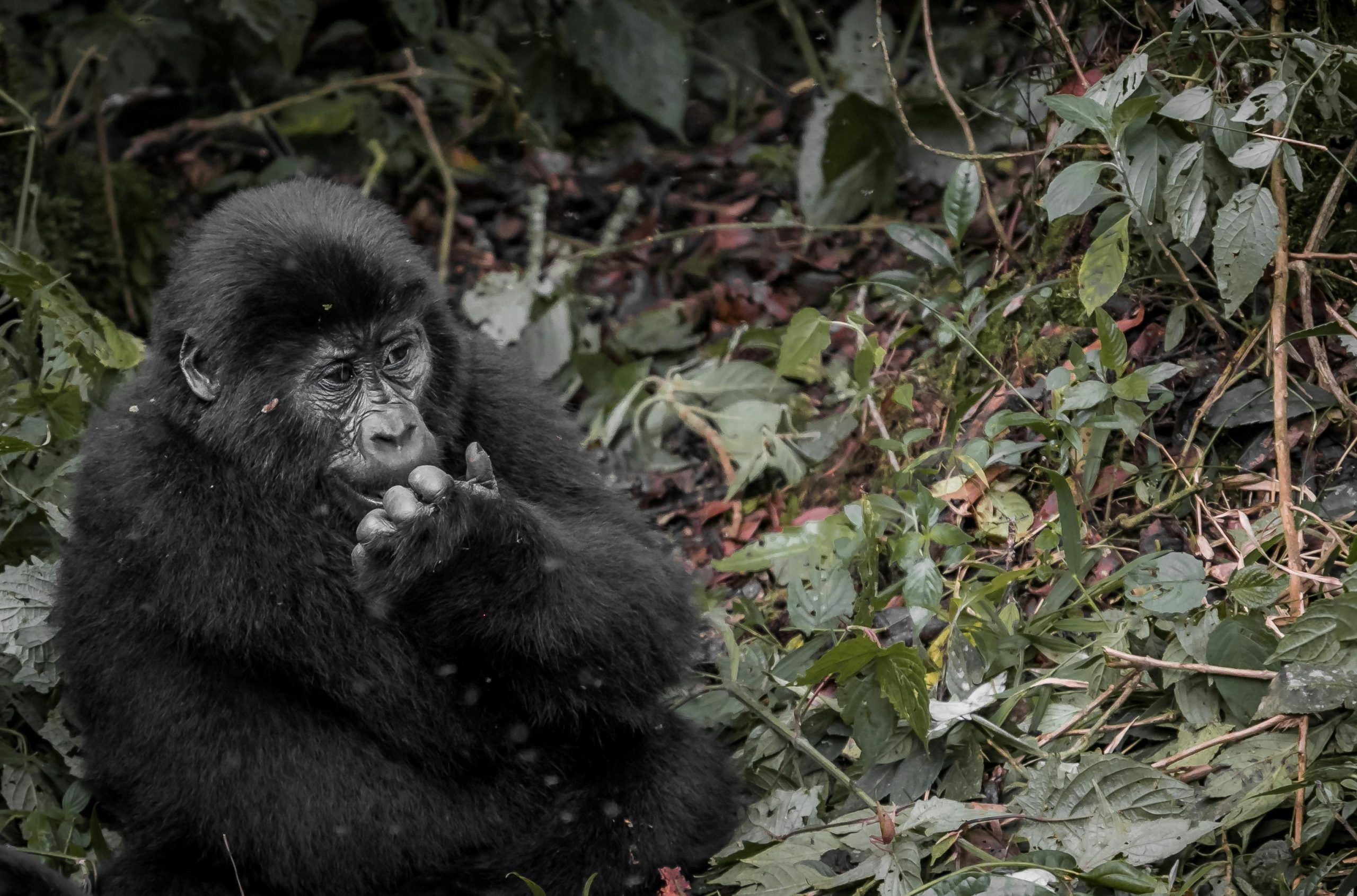
What is Gorilla Trekking
What is Gorilla Trekking
A Complete Guide to an Unforgettable Wildlife Adventure
What is Gorilla Trekking?
Gorilla trekking is an exhilarating wildlife experience that involves hiking through dense forests to observe mountain gorillas in their natural habitat. This adventure takes place in a few select locations in Africa, primarily in Uganda, Rwanda, and the Democratic Republic of the Congo. Unlike traditional safaris, gorilla trekking requires travelers to navigate rugged terrain, often for hours, to reach a habituated gorilla family.
This unique experience allows visitors to witness the behavior, interactions, and social structures of these magnificent primates up close. Due to conservation efforts, gorilla trekking is strictly regulated, ensuring that the endangered species is protected while offering an intimate and ethical wildlife encounter.
Where Can You Go Gorilla Trekking?
Gorilla trekking is only possible in a few national parks where mountain gorillas reside. These include:
1. Bwindi Impenetrable National Park (Uganda)
Bwindi is home to almost half of the world’s remaining mountain gorillas and offers multiple trekking routes. The park’s dense forests and diverse wildlife make it a top destination for primate lovers.
2. Mgahinga Gorilla National Park (Uganda)
Though smaller than Bwindi, Mgahinga offers a unique trekking experience with breathtaking views of the Virunga Mountains.
3. Volcanoes National Park (Rwanda)
This park is famous for being the research site of Dian Fossey, the renowned primatologist. Rwanda’s well-organized trekking permits and short distances make it a popular choice for travelers.
4. Virunga National Park (Democratic Republic of the Congo)
Virunga is one of Africa’s oldest national parks and offers a more adventurous and less touristy gorilla trekking experience.
What to Expect During a Gorilla Trekking Experience
1. Obtaining a Gorilla Trekking Permit
Gorilla trekking requires a permit, which must be booked in advance. The cost varies by country:
- Uganda: Around $800 per person
- Rwanda: Approximately $1,500 per person
- DR Congo: About $400 per person
2. The Trekking Journey
- Treks can last between 1 to 6 hours, depending on the location of the gorilla family.
- Rangers guide small groups through the forest, tracking the gorillas based on their previous movements.
- Once the gorillas are found, visitors are allowed one hour to observe and photograph them.
3. Rules and Guidelines
To protect the gorillas and ensure a safe experience, trekkers must follow strict guidelines:
- Maintain a 7-meter distance from the gorillas.
- Avoid direct eye contact to prevent aggression.
- Do not trek if you are sick, as gorillas are susceptible to human diseases.
- Speak in low voices and avoid sudden movements.
Best Time to Go Gorilla Trekking
The best time for gorilla trekking is during the dry seasons:
- June to September
- December to February
During these months, the trails are less muddy, making trekking easier. However, gorilla trekking is available year-round, and the experience remains rewarding even in the rainy season.
What to Pack for Gorilla Trekking
Essential Gear
- Hiking boots – For navigating steep and slippery trails.
- Long-sleeved clothing – To protect against insect bites and scratches.
- Rain jacket – Weather in the forest is unpredictable.
- Gloves – Helpful for gripping vegetation.
- Water and snacks – Trekking can be physically demanding.
- Camera (without flash) – To capture unforgettable moments.
Why is Gorilla Trekking Important for Conservation?
Gorillas plays a crucial role in wildlife conservation. The revenue generated from permits supports:
- Anti-poaching efforts
- Habitat protection
- Community development programs
By participating in responsible gorillas, travelers contribute to the preservation of mountain gorillas and their ecosystems.
Frequently Asked Questions (FAQ)
1. Is gorilla trekking safe?
Yes, gorilla trekking is safe as long as you follow the guidelines set by park rangers. The gorillas are habituated to human presence, and armed guides accompany every trek.
2. How fit do I need to be for gorilla trekking?
A moderate level of fitness is recommended, as trekking can involve steep climbs and long hikes. However, porters are available to assist with carrying bags.
3. Can children go gorilla trekking?
Most parks require trekkers to be at least 15 years old to participate.
4. How close can I get to the gorillas?
Visitors must maintain a 7-meter distance to prevent disease transmission and ensure the gorillas feel comfortable.
5. What is the difference between mountain gorillas and lowland gorillas?
Mountain gorillas live in high-altitude forests and have thicker fur, while lowland gorillas inhabit lower-altitude rainforests and have shorter hair.
Conclusion
Gorilla trekking is a once-in-a-lifetime experience that offers an intimate connection with one of the world’s most endangered species. Whether you choose Uganda, Rwanda, or DR Congo, this adventure promises breathtaking encounters with wild gorillas while supporting their conservation.
If you’re a wildlife enthusiast or an adventure traveler, gorilla trekking should be at the top of your bucket list! 🌿🐵
Would you like more details on planning your gorilla trip?