
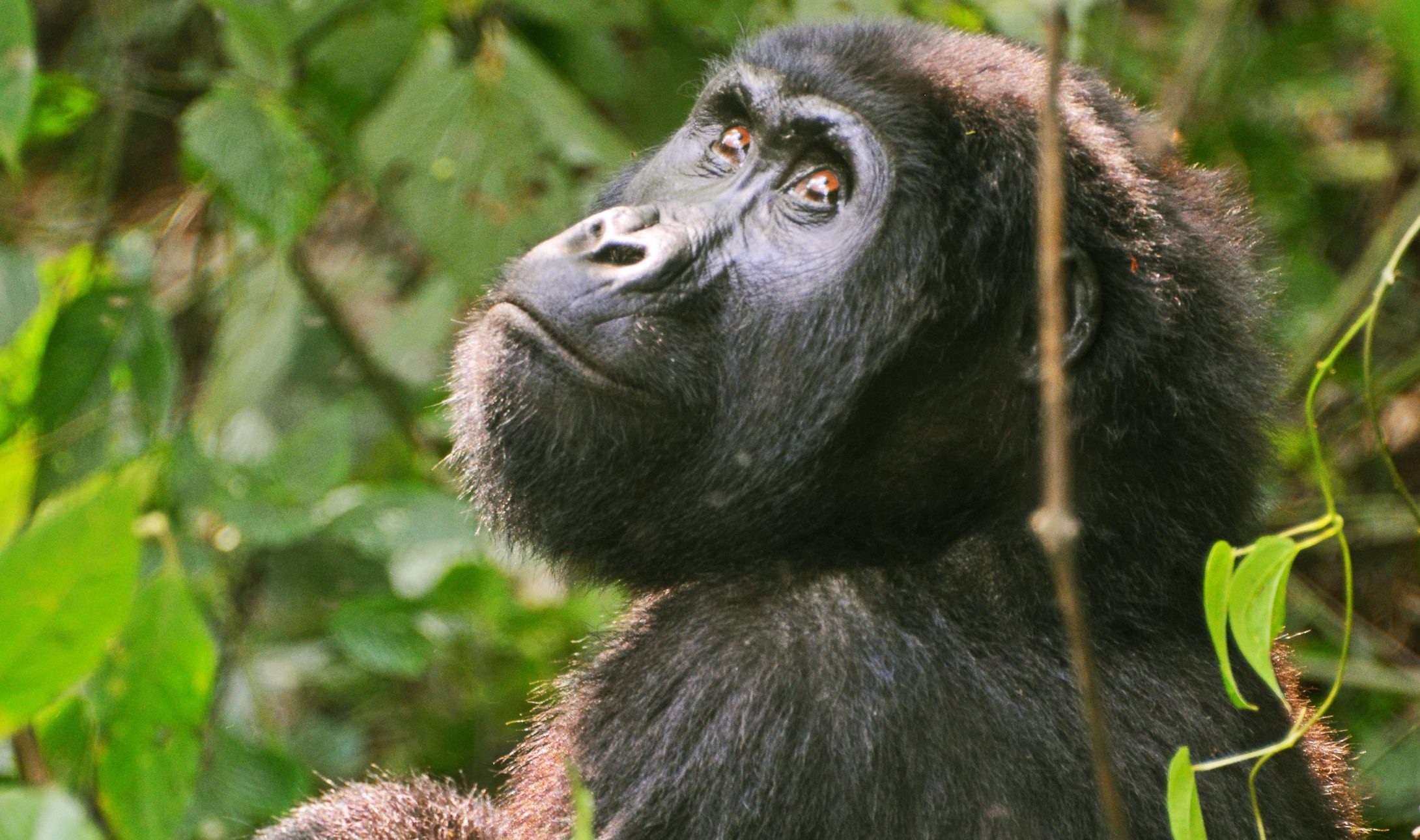
What to Pack Gorilla Trekking
What to Pack Gorilla Trekking
What to Pack for Gorilla Trekking: The Ultimate Guide for a Safe and Unforgettable Adventure
Gorilla trekking is one of the most awe-inspiring wildlife experiences on the planet. Whether you’re venturing into the misty mountains of Uganda, Rwanda, or the Democratic Republic of Congo, being prepared is essential for both your comfort and safety. This comprehensive guide will walk you through everything you need to pack for gorilla trekking, ensuring you’re ready for the terrain, climate, and the magical moment when you come face-to-face with a majestic silverback.
🦍 Planning your gorilla trekking safari? Explore exclusive packages with Turkana Wildlife Safaris for a seamless and unforgettable experience.
Why Packing Right Matters for Gorilla Trekking
Gorilla trekking is not your average hike. You’ll be navigating through dense forests, muddy trails, and steep slopes. The weather can shift rapidly, and the trek can last anywhere from 2 to 8 hours depending on the gorillas’ location. Packing the right gear ensures:
- Your personal comfort
- Protection from the elements
- Safety and hygiene in remote areas
- Respect for conservation guidelines
Essential Clothing for Gorilla Trekking
1. Lightweight, Long-Sleeved Shirts and Pants
To protect yourself from insect bites, thorny bushes, and sunburn, wear breathable, moisture-wicking long-sleeved shirts and long pants. Neutral colors like green, brown, or khaki are ideal for blending into the environment.
Recommended:
- Quick-dry hiking pants
- UV-protection shirts
2. Waterproof Hiking Boots
A sturdy pair of waterproof hiking boots with good ankle support is non-negotiable. The terrain can be muddy and slippery, especially during the rainy season.
Pro Tip: Break in your boots before the trek to avoid blisters.
3. Rain Jacket or Poncho
Rain is common in gorilla habitats, even during the dry season. A lightweight, packable rain jacket or poncho will keep you dry without adding bulk.
4. Gaiters
Gaiters protect your lower legs from mud, insects, and scratches. They’re especially useful in dense undergrowth.
5. Gardening Gloves
Yes, gardening gloves! They protect your hands when grabbing onto branches or vines for support.
Must-Have Gear and Accessories
1. Daypack with Rain Cover
A small, comfortable backpack is essential for carrying your gear, snacks, and water. Make sure it has a rain cover or is waterproof.
2. Reusable Water Bottle or Hydration Pack
Staying hydrated is crucial. Bring at least 2 liters of water. Consider a hydration pack for easy sipping on the go.
3. Insect Repellent
Mosquitoes and other insects are common in tropical forests. Use a DEET-based repellent or natural alternatives like citronella.
4. Sunscreen and Lip Balm
Even under the forest canopy, UV rays can be strong. Protect your skin and lips with SPF-rated products.
5. Binoculars
While gorillas are the main attraction, the forests are teeming with other wildlife. A compact pair of binoculars enhances the experience.
Personal Items and Health Essentials
1. Passport and Permits
You won’t get far without your passport and your gorilla trekking permit. Keep them in a waterproof pouch.
🎫 Need help securing your gorilla permit? Turkana Wildlife Safaris can assist with all the logistics.
2. Basic First Aid Kit
Include:
- Band-aids
- Antiseptic wipes
- Painkillers
- Antihistamines
- Anti-diarrheal medication
3. Hand Sanitizer and Wet Wipes
Hygiene is key, especially when facilities are limited.
4. Snacks and Energy Bars
While lunch is often provided, pack high-energy snacks like granola bars, trail mix, or dried fruit to keep your energy up.
Optional but Useful Items
- Camera with Zoom Lens – Flash photography is prohibited, but a good zoom lens helps capture stunning shots from a distance.
- Walking Stick or Trekking Poles – Some lodges provide these, but bringing your own adjustable trekking poles can be more comfortable.
- Notebook and Pen – For journaling your experience.
- Dry Bag – To protect electronics and important documents from rain.
What NOT to Pack
- Bright-colored clothing (can startle wildlife)
- Flash photography equipment
- Drones (usually prohibited in national parks)
- Heavy luggage (you’ll be trekking, not wheeling a suitcase)
Packing Checklist for Gorilla Trekking
🧳 Clothing
- Long-sleeved shirt (lightweight, breathable)
- Long hiking pants
- Waterproof hiking boots
- Rain jacket or poncho
- Gaiters
- Gardening gloves
- Hat or cap
🎒 Gear
- Daypack with rain cover
- Water bottle or hydration pack
- Binoculars
- Camera (no flash)
- Trekking poles
🧼 Personal Items
- Passport and permits
- First aid kit
- Insect repellent
- Sunscreen and lip balm
- Snacks and energy bars
- Wet wipes and hand sanitizer
Gorilla Trekking Destinations and What to Expect
Uganda
Home to the famous Bwindi Impenetrable Forest and Mgahinga Gorilla National Park, Uganda offers rich biodiversity and well-organized treks.
🦍 Explore Uganda’s gorilla safaris with Turkana Wildlife Safaris.
Rwanda
Volcanoes National Park is known for its easier treks and luxury lodges. Rwanda offers a more upscale trekking experience.
Democratic Republic of Congo
Virunga National Park is less visited but offers raw, adventurous treks. Security can be a concern, so travel with a reputable operator.
Tips for a Successful Gorilla Trek
- Train Before You Go: Prepare with cardio and strength training to handle steep climbs and long hikes.
- Hire a Porter: Not only does this support the local economy, but it also makes your trek easier.
- Respect the Gorillas: Maintain a 7-meter distance, avoid eye contact, and never touch the animals.
- Stay Quiet and Calm: Sudden movements or loud noises can stress the gorillas.
Frequently Asked Questions (FAQ)
1. How difficult is gorilla trekking?
Gorilla trekking can be moderately to very strenuous depending on the location of the gorilla family. Treks can last from 2 to 8 hours. Physical fitness is recommended.
2. What is the best time of year for gorilla trekking?
The dry seasons—June to September and December to February—offer the best conditions. However, gorilla trekking is available year-round.
🌦️ Learn more about seasonal travel tips on Turkana Wildlife Safaris.
3. Are children allowed on gorilla treks?
Most parks require participants to be at least 15 years old due to the physical demands and safety concerns.
4. How close can I get to the gorillas?
You must stay at least 7 meters (about 23 feet) away from the gorillas to prevent disease transmission and avoid disturbing them.
5. Do I need a permit for gorilla trekking?
Yes, permits are mandatory and limited. It’s best to book several months in advance.
🎟️ Secure your permit through Turkana Wildlife Safaris.
Final Thoughts
Gorilla trekking is a once-in-a-lifetime experience that requires thoughtful preparation. By packing the right gear and understanding the terrain, you’ll not only enhance your comfort but also contribute to the conservation of these magnificent creatures.
Whether you’re heading to the lush forests of Uganda or the volcanic slopes of Rwanda, let your journey be one of respect, awe, and adventure.
🦍 Ready to plan your trek? Discover customized gorilla trekking tours with Turkana Wildlife Safaris and make your dream a reality.