
What to See in Rwanda Parks
What to See in Rwanda Parks
Discovering Rwanda’s National Parks: A Journey Through Nature’s Hidden Gems
Rwanda, often referred to as the “Land of a Thousand Hills,” is a country of breathtaking landscapes, rich biodiversity, and a profound commitment to conservation. While it may be small in size, Rwanda boasts some of the most remarkable national parks in Africa, each offering a unique blend of wildlife, adventure, and cultural heritage. This comprehensive guide explores the best Rwanda parks to visit, what to see, and how to make the most of your journey through this East African jewel.
Volcanoes National Park
Located in the northwestern part of Rwanda, Volcanoes National Park is the crown jewel of the country’s conservation efforts. It is part of the larger Virunga Conservation Area, which spans Rwanda, Uganda, and the Democratic Republic of Congo.
What to See
- Mountain Gorillas: The park is world-renowned for its gorilla trekking experiences. Home to over a third of the world’s remaining mountain gorillas, this is one of the few places on Earth where you can observe these majestic creatures in their natural habitat.
- Golden Monkeys: These rare primates are another highlight, known for their vibrant fur and playful behavior.
- Volcanic Peaks: The park encompasses five of the eight volcanoes in the Virunga range, including Mount Karisimbi and Mount Bisoke.
Activities
- Gorilla trekking (permits required)
- Hiking Mount Bisoke or Karisimbi
- Visiting Dian Fossey’s grave and research center
- Birdwatching and nature walks
Akagera National Park
Situated in eastern Rwanda along the border with Tanzania, Akagera National Park is a stunning savannah ecosystem that contrasts beautifully with the country’s mountainous terrain.
What to See
- The Big Five: Akagera is home to lions, leopards, elephants, buffalo, and rhinos, making it Rwanda’s premier destination for a classic African safari.
- Lakes and Wetlands: The park features a complex network of lakes, including Lake Ihema, which is ideal for boat safaris.
- Birdlife: With over 500 bird species, it is a paradise for ornithologists.
Activities
- Game drives (morning and evening)
- Boat safaris on Lake Ihema
- Fishing and camping
- Birdwatching tours
Nyungwe Forest National Park
Located in the southwest of Rwanda, Nyungwe Forest National Park is one of Africa’s oldest rainforests and a biodiversity hotspot.
What to See
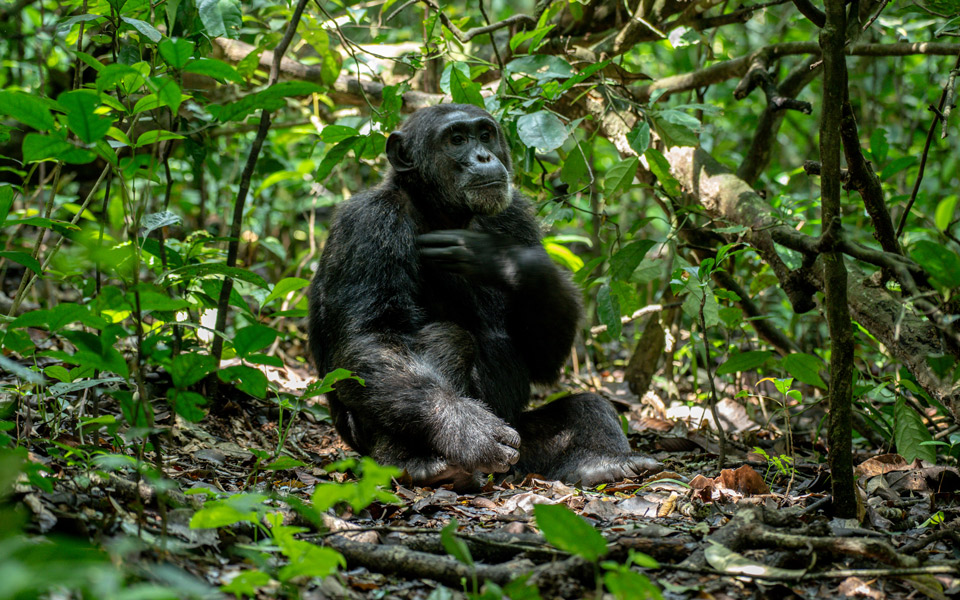
- Chimpanzees: The park is home to over 500 chimpanzees, and guided treks offer a chance to see them up close.
- Canopy Walkway: Suspended 60 meters above the forest floor, this walkway offers panoramic views and a thrilling experience.
- Flora and Fauna: With over 1,000 plant species and hundreds of bird and butterfly species, Nyungwe is a haven for nature lovers.
Activities
- Chimpanzee tracking
- Canopy walk adventure
- Nature hikes and forest trails
- Birdwatching and photography
Gishwati-Mukura National Park
The newest addition to Rwanda’s national parks, Gishwati-Mukura National Park is a reforested area that symbolizes Rwanda’s commitment to environmental restoration.
What to See
- Primates: Including chimpanzees, golden monkeys, and L’Hoest’s monkeys.
- Bird Species: Over 230 species, many of which are endemic to the Albertine Rift.
- Biodiversity: The park is a corridor for wildlife movement and a key conservation area.
Activities
- Guided nature walks
- Community-based tourism experiences
- Educational tours and conservation programs
Best Time to Visit Rwanda’s Parks
Rwanda’s temperate climate makes it a year-round destination, but certain months are better suited for wildlife viewing and trekking.
Dry Seasons (Best Time to Visit)
- June to September: Ideal for gorilla trekking and safaris.
- December to February: Great for chimpanzee tracking and canopy walks.
Rainy Seasons (Low Season)
- March to May
- October to November
While the rainy season can make trekking more challenging, it also offers lush landscapes and fewer tourists.
Travel Tips for Exploring Rwanda’s Parks
Permits and Regulations
- Gorilla Trekking Permits: Must be booked in advance through Rwanda Development Board.
- Park Fees: Each park has its own entrance fees and activity charges.
Packing Essentials
- Waterproof hiking boots
- Lightweight rain jacket
- Binoculars and camera
- Insect repellent and sunscreen
Health and Safety
- Yellow fever vaccination is required.
- Malaria prophylaxis is recommended.
- Always follow the guidance of park rangers and guides.
Cultural and Community Experiences
Rwanda’s parks are not just about wildlife—they are deeply connected to local communities. Many parks offer:
- Cultural performances: Traditional dance and music
- Handicraft markets: Supporting local artisans
- Homestays and village tours: Authentic Rwandan experiences
These initiatives promote sustainable tourism and empower local populations.
Conservation and Sustainability
Rwanda is a global leader in conservation. Key initiatives include:
- Reforestation programs in Gishwati-Mukura
- Anti-poaching units in Akagera
- Community involvement in park management
- Revenue sharing models that benefit local communities
These efforts have led to the successful reintroduction of species like lions and rhinos, and the steady growth of the mountain gorilla population.
How to Get There
By Air
- Kigali International Airport (KGL) is the main gateway.
- Domestic flights and helicopter transfers are available to some parks.
By Road
- Well-maintained roads connect Kigali to all major parks.
- Car rentals and guided tours are widely available.
Where to Stay
Luxury Lodges
- Bisate Lodge (Volcanoes NP)
- One&Only Nyungwe House (Nyungwe NP)
- Magashi Camp (Akagera NP)
Mid-Range Options
- Mountain Gorilla View Lodge
- Nyungwe Top View Hill Hotel
- Akagera Game Lodge
Budget Accommodations
- Community-run guesthouses
- Campsites within and near the parks
FAQs About Rwanda’s Parks
1. Do I need a permit to visit Rwanda’s national parks?
Yes, most parks require permits for specific activities such as gorilla trekking or chimpanzee tracking. These can be obtained through the Rwanda Development Board.
2. Is Rwanda safe for tourists?
Absolutely. Rwanda is one of the safest countries in Africa, with low crime rates and a strong security presence, especially in tourist areas.
3. What is the best park for a safari experience?
Akagera National Park is the best choice for a traditional safari, offering sightings of the Big Five and a variety of savannah wildlife.
4. Can I combine multiple parks in one trip?
Yes, Rwanda’s compact size allows for easy travel between parks. Many tour operators offer multi-park itineraries.
5. What should I wear during treks?
Wear long-sleeved shirts, long pants, waterproof boots, and bring a rain jacket. Neutral colors are recommended to avoid disturbing wildlife.
Conclusion
Rwanda’s national parks are a testament to the country’s resilience, conservation leadership, and natural beauty. Whether you’re tracking gorillas in the misty mountains of Volcanoes National Park, exploring the savannahs of Akagera, or walking among ancient trees in Nyungwe, each park offers a unique and unforgettable experience.
With a strong focus on sustainability, community involvement, and biodiversity protection, Rwanda is not just a destination—it’s a model for eco-tourism in Africa. Start planning your adventure today and discover the wild heart of Rwanda.