
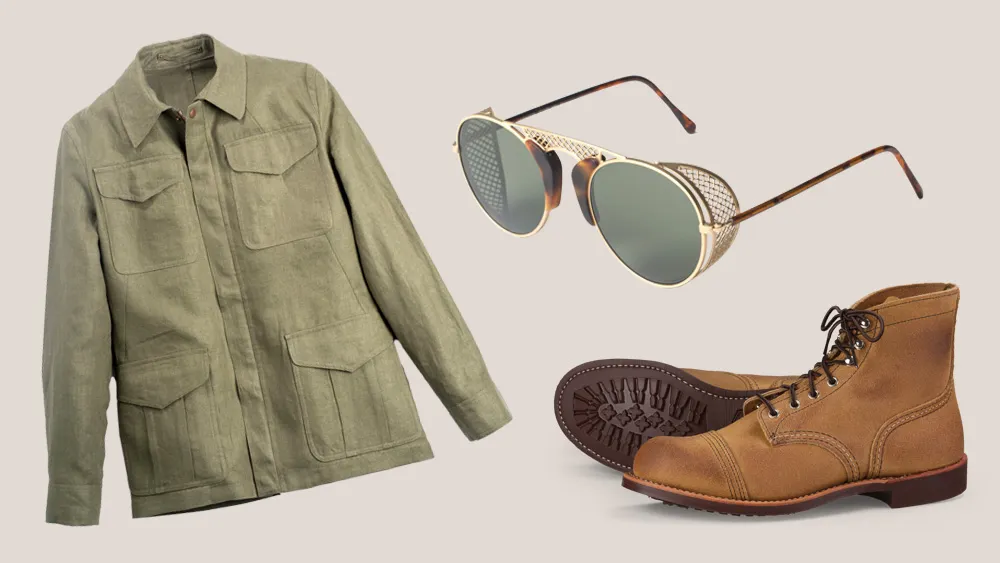
What to Wear on Safari Men
What to Wear on Safari Men
What to Wear on Safari: A Complete Men’s Guide for East Africa
Embarking on a safari in East Africa is an adventure of a lifetime. From the vast savannahs of the Serengeti to the lush landscapes of the Maasai Mara, the region offers unparalleled wildlife experiences. But before you set off on this thrilling journey, one crucial question arises: what should a man wear on safari in East Africa?
This comprehensive guide will walk you through everything you need to know about dressing for a safari—from climate considerations and practical gear to style tips and packing lists. Whether you’re heading to Kenya, Tanzania, Uganda, or Rwanda, this article ensures you’re well-prepared, comfortable, and stylish for your African adventure.
Why Safari Clothing Matters
Safari attire is not just about looking the part; it’s about functionality, comfort, and blending into the environment. The right clothing helps:
- Protect against the sun and insects
- Regulate body temperature
- Avoid attracting unwanted attention from wildlife
- Ensure comfort during long game drives or treks
In East Africa, temperatures can swing from chilly mornings to scorching afternoons. Your wardrobe must adapt to these changes seamlessly.
Understanding the East African Climate
East Africa’s climate varies depending on altitude and season. Here’s a quick breakdown:
- Dry Season (June to October): Ideal for safaris. Expect cool mornings and hot afternoons.
- Short Rains (November to December): Light showers, but safaris are still possible.
- Long Rains (March to May): Heavier rains, some lodges close, and roads can be muddy.
Key Climate Zones:
- Savannahs: Hot and dry during the day, cooler at night.
- Highlands (e.g., Ngorongoro Crater): Cooler temperatures year-round.
- Coastal Areas: Hot and humid.
Essential Safari Clothing for Men
1. Neutral-Colored Clothing
Avoid bright colors and stick to earth tones like:
- Khaki
- Olive green
- Beige
- Brown
- Grey
These colors help you blend into the environment and avoid attracting insects or startling animals. Camouflage clothing is discouraged in many African countries due to its association with military personnel.
2. Lightweight, Breathable Fabrics
Opt for materials like:
- Cotton
- Linen
- Moisture-wicking synthetics
These fabrics keep you cool and dry throughout the day. Avoid denim or heavy materials that trap heat and take long to dry.
3. Long-Sleeved Shirts and Trousers
Long sleeves and pants protect you from:
- Mosquito bites (especially in malaria zones)
- Sunburn
- Scratches from vegetation
Choose convertible pants that zip off into shorts for versatility.
4. Safari Jackets and Vests
A lightweight jacket or vest with multiple pockets is ideal for:
- Storing binoculars, sunscreen, and cameras
- Layering during cool mornings or evenings
Look for jackets with breathable mesh linings and UV protection.
5. Footwear
Your choice of shoes depends on your activities:
- Game Drives: Lightweight hiking shoes or trail runners
- Walking Safaris: Sturdy hiking boots with ankle support
- Lodge Wear: Comfortable sandals or slip-ons
Always break in your shoes before the trip to avoid blisters.
Safari Accessories for Men
Hats and Caps
A wide-brimmed hat or cap protects your face and neck from the sun. Look for:
- UPF-rated fabric
- Chin straps to prevent wind loss
- Ventilation panels
Sunglasses
Polarized sunglasses reduce glare and protect your eyes during long hours of game viewing.
Buffs and Bandanas
These multi-purpose accessories can be used as:
- Dust masks
- Neck protection
- Sweatbands
Insect Repellent and Sunscreen
Essential for protecting your skin from sunburn and insect bites. Choose DEET-based repellents and broad-spectrum SPF 30+ sunscreen.
Safari Packing List for Men
Here’s a concise checklist to help you pack smart:
Clothing
- 3–4 long-sleeved shirts (neutral colors)
- 2–3 pairs of long trousers (convertible preferred)
- 2 pairs of shorts
- 1 lightweight fleece or jacket
- 1 safari vest (optional)
- 1 pair of hiking boots
- 1 pair of sandals or flip-flops
- 1 wide-brimmed hat
- 5 pairs of socks (moisture-wicking)
- 5 pairs of underwear (quick-dry)
Accessories
- Sunglasses (polarized)
- Buff or bandana
- Lightweight gloves (for early morning drives)
- Daypack or small backpack
- Binoculars
- Camera with zoom lens
- Reusable water bottle
- Headlamp or flashlight
Toiletries & Health
- Sunscreen (SPF 30+)
- Insect repellent (with DEET)
- Personal medications
- Wet wipes and hand sanitizer
- Travel towel
- Lip balm with SPF
What Not to Wear on Safari
Avoid the following:
- Bright colors (red, yellow, blue) – can attract insects or scare animals
- Black and dark blue – attract tsetse flies
- Camouflage clothing – often illegal for civilians in East Africa
- White clothing – gets dirty quickly in dusty environments
- Flip-flops during game drives – offer no protection
Style Meets Function: Dressing for the Lodge
While game drives require practical attire, evenings at the lodge are more relaxed. Many lodges offer laundry services, so you can pack light and still look sharp.
Evening Outfit Suggestions:
- Casual button-down shirt
- Lightweight chinos or linen trousers
- Loafers or clean sandals
- Light sweater or shawl for cooler nights
Local Etiquette and Cultural Considerations
Respect local customs by dressing modestly when outside safari parks. In towns or villages:
- Avoid sleeveless shirts or shorts above the knee
- Remove hats when entering homes or places of worship
- Greet locals politely and dress conservatively
Sustainable Safari Fashion
Eco-conscious travelers can opt for sustainable safari brands that prioritize:
- Organic or recycled fabrics
- Ethical labor practices
- Minimal environmental impact
Pro Tips from Safari Experts
- Layering is key: Start with a base layer, add a shirt, and top with a jacket. Peel off layers as the day warms up.
- Pack light: Many safari flights have strict luggage limits (15kg soft-sided bags).
- Choose wrinkle-resistant fabrics: You won’t always have access to an iron.
- Use packing cubes: Keep your gear organized and accessible.
Frequently Asked Questions (FAQ)
1. Can I wear shorts on safari?
Yes, but only during the day and in areas with low insect activity. For early mornings or evenings, long trousers are recommended to protect against mosquitoes and cooler temperatures.
2. What colors should I avoid wearing on safari?
Avoid bright colors (like red or yellow), white (gets dirty quickly), and dark blue or black (attract tsetse flies). Stick to neutral, earthy tones like khaki, olive, and beige.
3. Do I need special shoes for a safari?
If you’re only doing game drives, lightweight hiking shoes are sufficient. For walking safaris or gorilla trekking, invest in sturdy, waterproof hiking boots with ankle support.
4. Is it safe to wear jewelry on safari?
It’s best to leave valuable jewelry at home. Flashy items can attract unwanted attention and are unnecessary in the bush.
5. How do I protect myself from insects?
Wear long-sleeved shirts and trousers, apply DEET-based insect repellent, and sleep under mosquito nets where provided. Avoid dark clothing that attracts tsetse flies.
Final Thoughts
Dressing appropriately for a safari in East Africa is about more than just style—it’s about safety, comfort, and respect for the environment and local culture. By choosing the right clothing and gear, you’ll enhance your experience and focus on what truly matters: the awe-inspiring wildlife and landscapes of Africa.
Whether you’re tracking lions in the Serengeti, watching elephants in Amboseli, or trekking gorillas in Uganda, your safari wardrobe should be as prepared as you are.
So pack smart, dress right, and get ready for the adventure of a lifetime.