
What vaccines is needed for a Uganda Safari
What vaccines is needed for a Uganda Safari
Essential Vaccines for a Safe and Healthy Uganda Safari
Embarking on a Uganda safari is a thrilling adventure into the heart of East Africa, offering breathtaking encounters with mountain gorillas, lush rainforests, and the majestic savannahs of Queen Elizabeth National Park. However, to ensure your journey is not only memorable but also safe, it is crucial to understand the vaccination requirements and health precautions necessary before traveling.
In this comprehensive guide, we’ll explore the essential vaccines, travel health tips, and expert advice to prepare you for a worry-free safari in Uganda.
Why Vaccinations Are Crucial for Travel to Uganda
Uganda, while rich in biodiversity and culture, is a tropical country where certain infectious diseases are more prevalent. The combination of climate, wildlife, and rural environments increases the risk of exposure to illnesses that may not be common in your home country.
Vaccinations serve as a critical line of defense, protecting you from potentially serious diseases and ensuring you can enjoy your safari without health complications.
Mandatory Vaccine: Yellow Fever
Yellow Fever Certificate Requirement
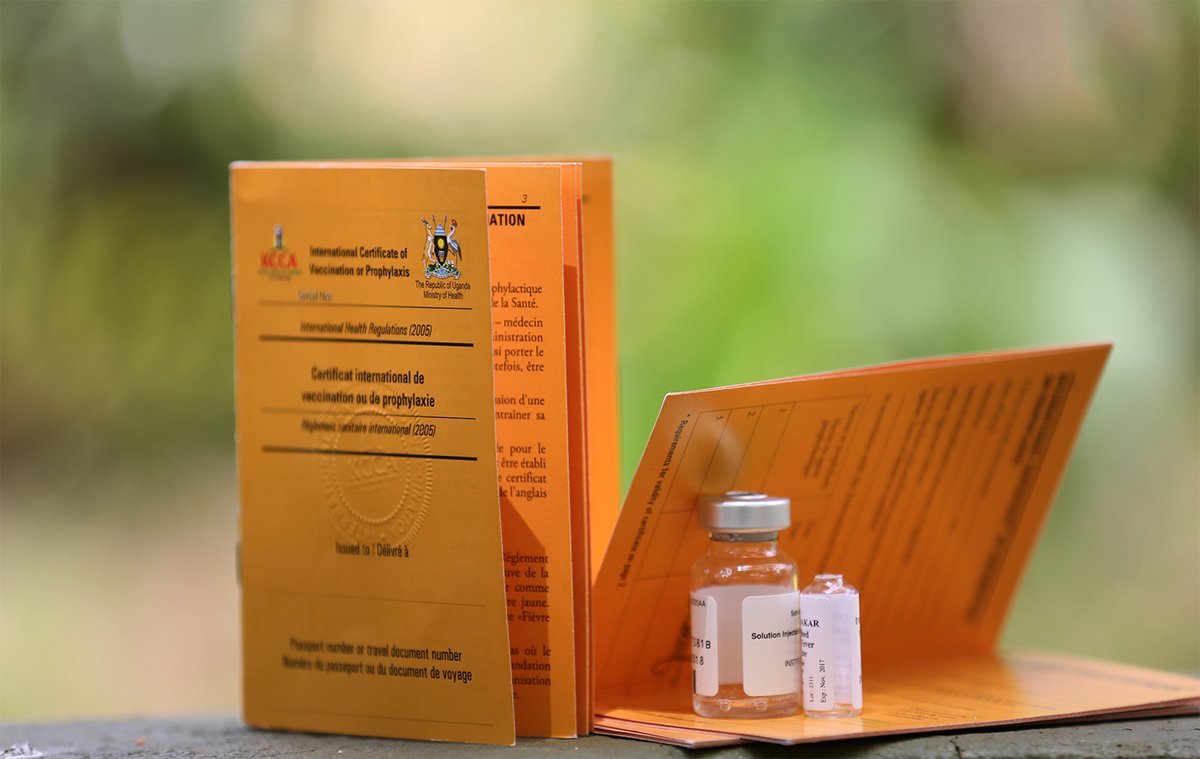
Uganda requires proof of yellow fever vaccination for all travelers over 1 year of age. This is a mandatory entry requirement, and without a valid International Certificate of Vaccination, you may be denied entry.
- When to Get It: At least 10 days before travel
- Validity: Lifetime (as per WHO guidelines)
- Where to Get It: Certified travel clinics or vaccination centers
💡 Tip: Always carry your yellow fever certificate in your passport holder to avoid delays at immigration.
Recommended Vaccines for Uganda Safari
In addition to yellow fever, several other vaccines are strongly recommended for travelers to Uganda. These protect against diseases that are common in the region due to climate, sanitation, and wildlife exposure.
1. Hepatitis A
- Why: Spread through contaminated food and water
- Recommended For: All travelers
- Dosage: Single shot + booster after 6–12 months for long-term protection
2. Hepatitis B
- Why: Transmitted through blood and bodily fluids
- Recommended For: Travelers engaging in medical procedures, sexual contact, or long stays
- Dosage: Series of 3 shots over 6 months
3. Typhoid
- Why: Spread through contaminated food or water
- Recommended For: All travelers, especially if visiting rural areas
- Options:
- Oral vaccine (4 capsules)
- Injectable vaccine (single dose)
4. Rabies
- Why: Uganda has a presence of rabid animals, including dogs and bats
- Recommended For:
- Adventure travelers
- Wildlife researchers
- Children
- Dosage: 3 doses before travel; post-exposure boosters if needed
5. Meningococcal Meningitis
- Why: Uganda lies within the African meningitis belt
- Recommended For: Travelers during the dry season (Dec–June)
- Dosage: Single dose (MenACWY vaccine)
6. Measles, Mumps, and Rubella (MMR)
- Why: Outbreaks still occur in parts of Africa
- Recommended For: All travelers without prior immunity
- Dosage: 2 doses, at least 28 days apart
Optional but Considered for Specific Travelers
Cholera
- Why: Risk in areas with poor sanitation
- Recommended For: Aid workers, long-term travelers, or those visiting remote areas
- Vaccine: Oral (Dukoral or Vaxchora)
Influenza
- Why: Seasonal flu can still affect travelers
- Recommended For: All travelers, especially during flu season
Malaria Prevention: Not a Vaccine, But Essential
While there is no vaccine for malaria (except for limited use in children in endemic areas), malaria prevention is critical for anyone visiting Uganda.
How to Protect Yourself:
- Antimalarial Medication:
- Options include Malarone, Doxycycline, or Lariam
- Start before travel and continue after returning
- Mosquito Protection:
- Use insect repellent with DEET
- Sleep under insecticide-treated bed nets
- Wear long-sleeved clothing, especially at dusk and dawn
🦟 Malaria is present throughout Uganda, including major safari parks like Murchison Falls and Bwindi Impenetrable Forest, making prevention a top priority.
Timeline for Vaccination Before Travel
To ensure full immunity, plan your vaccinations well in advance:
| Vaccine | Time Before Travel |
|---|---|
| Yellow Fever | ≥10 days |
| Hepatitis A & B | 4–6 weeks |
| Typhoid | 2 weeks |
| Rabies | 1 month |
| Meningitis | 2 weeks |
| MMR | 1 month |
| Cholera | 2 weeks |
| Malaria Prophylaxis | 1–2 days before (varies by drug) |
Where to Get Vaccinated
- Travel Clinics: Specialized in international travel health
- Public Health Departments: Often offer yellow fever and other vaccines
- Private Clinics: May offer faster appointments but at higher costs
🔍 Use the CDC’s Travel Health Clinic Locator to find a clinic near you.
Health Tips for Uganda Safari Travelers
Beyond vaccines, smart health practices can make your safari safer and more enjoyable.
🧴 Hygiene and Food Safety
- Drink only bottled or purified water
- Avoid raw or undercooked foods
- Wash hands frequently or use hand sanitizer
🦟 Insect Protection
- Apply repellent regularly
- Wear light-colored, long-sleeved clothing
- Use permethrin-treated clothing or gear
🧳 Travel Insurance
- Ensure your policy covers:
- Emergency evacuation
- Medical treatment abroad
- Trip cancellation due to illness
🏥 Know Local Medical Facilities
- Identify hospitals or clinics near your safari destinations
- Carry a basic medical kit with:
- Antiseptics
- Pain relievers
- Antidiarrheal medicine
- Prescription medications
Special Considerations for Children and Pregnant Women
Children
- Ensure routine vaccinations are up to date
- Consider rabies and typhoid for older children
- Malaria prevention is crucial
Pregnant Women
- Travel to malaria-endemic areas is not recommended
- Some vaccines (e.g., yellow fever) are contraindicated
- Consult with a travel medicine specialist before booking
Frequently Asked Questions (FAQ)
1. Do I need a yellow fever vaccine for Uganda?
Yes, yellow fever vaccination is mandatory for entry into Uganda. You must present a valid certificate upon arrival.
2. What is the best time to get vaccinated before a safari?
Ideally, begin your vaccination schedule at least 4–6 weeks before travel to allow time for full immunity and any necessary booster doses.
3. Is malaria a concern in Uganda?
Absolutely. Uganda is a high-risk malaria zone, and taking antimalarial medication along with mosquito precautions is essential.
4. Can I get vaccinated upon arrival in Uganda?
No. Vaccinations should be completed before departure. Uganda does not offer traveler vaccinations at the airport or border.
5. Are COVID-19 vaccines required for Uganda?
As of the latest update, Uganda does not require COVID-19 vaccination for entry, but it is highly recommended for all international travelers. Check the Uganda Ministry of Health for current regulations.
Final Thoughts: Health is Your Ultimate Travel Companion
A Uganda safari is a once-in-a-lifetime experience, offering raw beauty, rare wildlife, and unforgettable memories. But the key to enjoying it fully lies in proactive health planning. By ensuring you receive the right vaccinations and follow smart travel health practices, you protect not only yourself but also the communities you visit.
Before you pack your binoculars and hiking boots, make an appointment with a travel health specialist, review your vaccination history, and prepare your body for the adventure of a lifetime.