
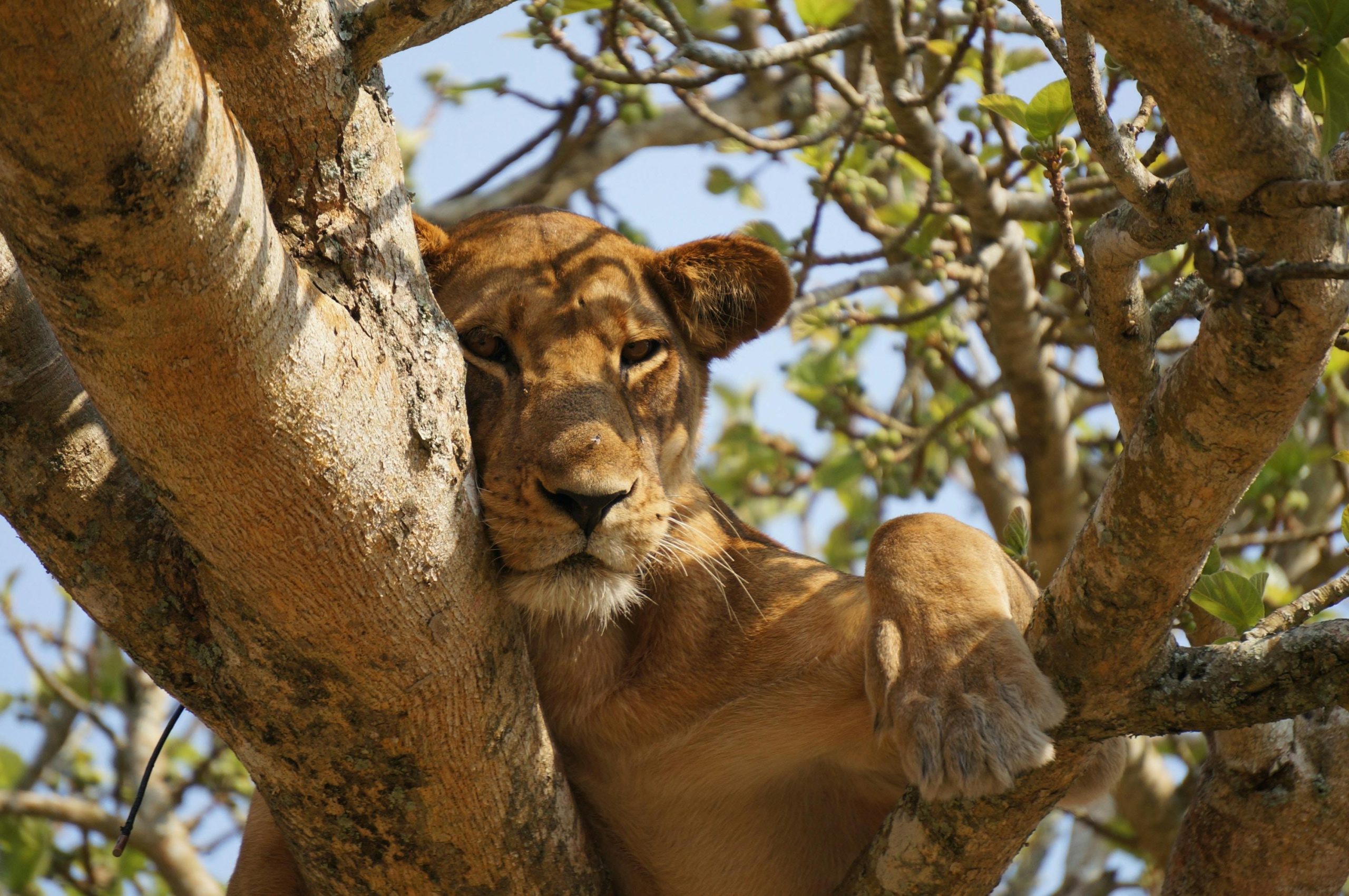
Where to See Tree Climbing Lions in Uganda
Where to See Tree Climbing Lions in Uganda
Where to See Tree Climbing Lions in Uganda: A Complete Safari Guide
Uganda, often referred to as the “Pearl of Africa,” is a land of astonishing biodiversity. Among its many natural wonders, one of the most captivating and rare wildlife spectacles is the sight of tree climbing lions. These majestic big cats defy the norms of their species by lounging and perching in the branches of fig and acacia trees, a behavior that has fascinated wildlife enthusiasts and researchers alike.
In this comprehensive guide, we’ll explore the best places to witness this rare phenomenon, the reasons behind this unique behavior, the best times to visit, and how to plan a successful safari to see these elusive predators. Whether you’re a seasoned traveler or a first-time safari-goer, this article will provide all the insights you need for an unforgettable experience in Uganda.
Introduction to Tree Climbing Lions
While most lions are known to roam the savannahs and grasslands, a small population in Uganda has developed a peculiar habit — climbing trees. This behavior is not only rare but also geographically limited, making Uganda one of the few places on Earth where you can witness this phenomenon.
Tree climbing lions are primarily found in the southern part of Queen Elizabeth National Park, particularly in the Ishasha sector. These lions are often seen lounging on the branches of fig trees, especially during the heat of the day.
Why Do Lions Climb Trees?
The behavior of tree climbing among lions is still a subject of scientific curiosity. However, several theories have been proposed:
- Escape from Heat: Trees offer a cooler environment with shade and breeze, especially during the hot midday sun.
- Avoidance of Insects: Climbing trees may help lions avoid ground-level pests like tsetse flies and biting ants.
- Better Viewpoint: Elevated positions provide a strategic vantage point for spotting prey or potential threats.
- Playful Behavior: Younger lions may climb trees out of curiosity or playfulness, a behavior that sometimes continues into adulthood.
Unlike leopards, which are natural climbers, lions are not anatomically built for climbing. This makes their arboreal behavior even more fascinating and rare.
Top Destinations in Uganda to See Tree Climbing Lions
1. Queen Elizabeth National Park
Queen Elizabeth National Park is Uganda’s most visited national park and a UNESCO Biosphere Reserve. It spans over 1,978 square kilometers and is home to a wide variety of wildlife including elephants, hippos, buffaloes, and over 600 bird species.
The park is divided into several sectors, but the Ishasha sector is the crown jewel for those seeking to see tree climbing lions.
2. Ishasha Sector
Located in the southern part of Queen Elizabeth National Park, the Ishasha sector is the premier location for viewing tree climbing lions in Uganda.
Key Features of Ishasha Sector:
- Tree Climbing Lions: The lions here are frequently spotted resting in large fig and acacia trees.
- Scenic Landscapes: The sector features open savannahs, riverine forests, and rolling hills.
- Low Tourist Traffic: Compared to other parts of the park, Ishasha is less crowded, offering a more intimate safari experience.
- Proximity to Bwindi: Ishasha is conveniently located near Bwindi Impenetrable National Park, making it easy to combine lion tracking with gorilla trekking.
Best Time to Visit Uganda for Lion Viewing
Uganda’s climate is generally favorable year-round, but the best time to see tree climbing lions is during the dry seasons:
- June to September
- December to February
During these months:
- Vegetation is thinner, making wildlife easier to spot.
- Roads are more accessible.
- Lions are more likely to be seen lounging in trees to escape the heat.
How to Plan Your Safari
A well-planned safari increases your chances of seeing tree climbing lions and enjoying the full spectrum of Uganda’s wildlife.
Safari Planning Checklist:
- Choose a Reputable Tour Operator: Look for companies with experience in wildlife safaris and knowledgeable guides.
- Book in Advance: Especially during peak seasons.
- Combine Destinations: Include Bwindi for gorilla trekking or Kibale Forest for chimpanzee tracking.
- Pack Smart:
- Light clothing for daytime
- Warm layers for early mornings
- Binoculars and camera
- Insect repellent
- Sunscreen and hat
Other Wildlife You Can Encounter
While the tree climbing lions are a highlight, Uganda’s parks are teeming with diverse fauna.
Wildlife in Queen Elizabeth National Park:
- Elephants
- Buffaloes
- Hippos
- Leopards
- Ugandan Kob
- Topis
- Warthogs
- Over 600 bird species, including:
- African Fish Eagle
- Shoebill Stork
- Kingfishers
- Bee-eaters
Conservation Efforts and Responsible Tourism
The survival of tree climbing lions is closely tied to conservation efforts and responsible tourism.
Conservation Initiatives:
- Community Involvement: Local communities are engaged in conservation through employment and education.
- Anti-Poaching Patrols: Rangers and conservationists work tirelessly to protect wildlife.
- Eco-Tourism Lodges: Many lodges reinvest profits into conservation and community development.
How You Can Help:
- Choose eco-certified lodges and tour operators.
- Follow park rules and respect wildlife.
- Avoid single-use plastics.
- Support local artisans and communities.
Frequently Asked Questions
1. Why do lions climb trees in Uganda?
Lions in Uganda, particularly in the Ishasha sector, climb trees to escape the heat, avoid insects, and gain a better vantage point. This behavior is rare and not commonly observed in other lion populations.
2. Where is the best place to see tree climbing lions in Uganda?
The best place is the Ishasha sector of Queen Elizabeth National Park. This area is renowned for its population of tree climbing lions and offers a unique safari experience.
3. When is the best time to visit Uganda for a safari?
The best time is during the dry seasons: June to September and December to February. These months offer optimal wildlife visibility and better road conditions.
4. Can I combine a lion safari with gorilla trekking?
Absolutely. The Ishasha sector is near Bwindi Impenetrable National Park, making it easy to combine both experiences in one trip.
5. Are tree climbing lions dangerous?
Like all wild animals, lions can be dangerous if provoked. However, guided safaris with professional rangers ensure a safe and respectful distance is maintained at all times.
Final Thoughts
Uganda offers one of the most extraordinary wildlife experiences in Africa — the chance to see tree climbing lions in their natural habitat. This rare spectacle, coupled with the country’s rich biodiversity, stunning landscapes, and warm hospitality, makes Uganda a must-visit destination for any nature enthusiast.
Whether you’re drawn by the mystery of lions in trees, the allure of gorilla trekking, or the call of the wild, Uganda delivers an unforgettable adventure. Plan your safari wisely, travel responsibly, and prepare to be amazed by the wonders of the Pearl of Africa.